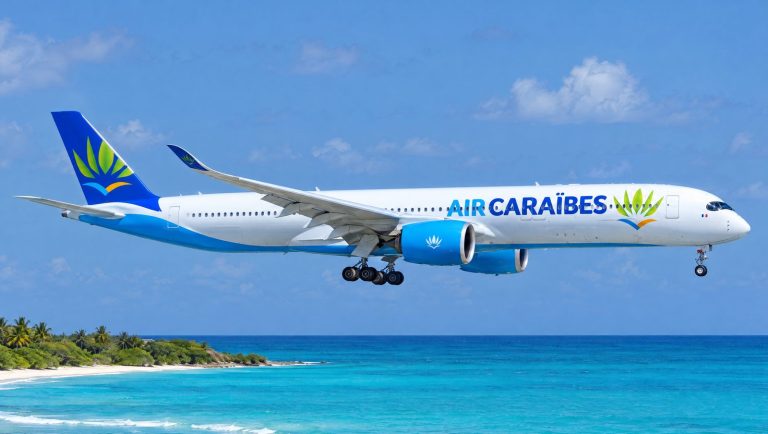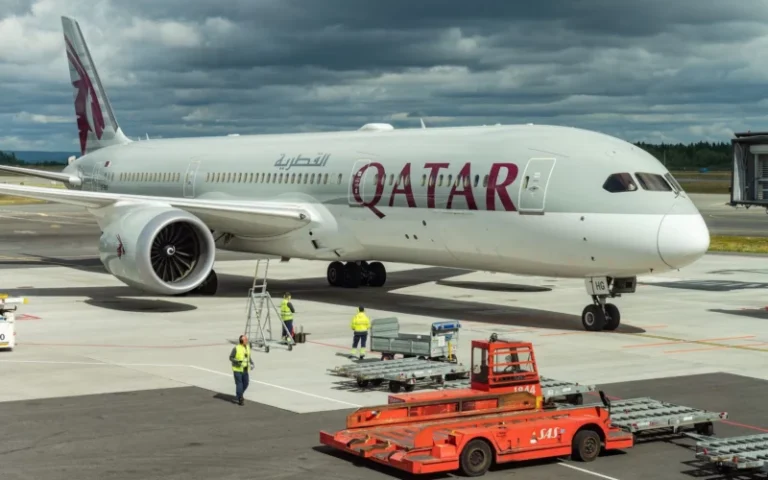
Gwangju, the southwestern cultural hub of South Korea, is preparing for a major transformation in its tourism sector. By 2030, the city is set to welcome its first five-star international hotel under the iconic Hyatt brand, supported by major airlines including Korean Air, Japan Airlines, Lufthansa, Emirates, and Delta. This collaboration is expected to position Gwangju as a premier luxury destination for international travelers.
Hyatt’s Landmark Entry into Gwangju
Hyatt’s upcoming hotel in it represents a milestone in South Korea’s hospitality landscape. The hotel will be located in the Nongseong-dong area of Seo-gu as part of a mixed-use development featuring high-end residential apartments and luxury amenities. Hyatt’s facilities will span five floors of world-class dining, wellness, and concierge services, with guest rooms occupying floors six to nineteen.
The hotel aims to cater to affluent leisure travelers and corporate visitors, offering luxury experiences previously limited to South Korea’s larger cities such as Seoul and Busan. “This project will not only elevate Gwangju’s hospitality standards but also provide a holistic luxury experience for international tourists and business travelers alike,” a company spokesperson said.

Airline Collaboration Boosts Connectivity
Recognizing the potential influx of high-end tourism, major international carriers have pledged to expand their flight offerings to Gwangju. Korean Air, Japan Airlines, Lufthansa, Emirates, and Delta are expected to increase routes, making the city more accessible for travelers from Asia, Europe, the Middle East, and North America.
Currently, its international air connections are limited, but the surge in tourism is expected to transform this dynamic. Enhanced air connectivity will make it easier for global travelers to visit the city, ensuring seamless travel experiences for tourists seeking luxury accommodations and cultural exploration.
Luxury Tourism Meets Cultural Exploration
Gwangju’s appeal lies not only in its emerging luxury hospitality sector but also in its rich cultural and historical heritage. Tourists will be able to explore attractions such as the Gwangju Biennale, May 18th National Cemetery, Kimchi Museum, and the scenic Mudeungsan Mountain. With Hyatt’s premium accommodations, visitors can combine cultural exploration with high-end leisure and wellness experiences.
The development of luxury hotels like Hyatt also opens doors for business tourism. With dedicated meeting spaces, conference halls, and event management services, the city is expected to attract corporate events, conventions, and international delegations, complementing its leisure tourism growth.

Future Outlook for Gwangju’s Tourism Industry
The collaboration between Hyatt and leading airlines signals a new era for Gwangju’s tourism industry. By 2030, the city is projected to rival South Korea’s traditional tourism hubs, offering a blend of modern luxury, culture, and natural beauty. Airline expansion, coupled with high-end hospitality infrastructure, is expected to attract high-spending international visitors, creating significant economic opportunities for the region.
Visitors planning to explore Gwangju in the coming years are advised to book flights early, prepare for seasonal variations, and leverage concierge services at luxury hotels for guided city tours. Public transportation in Gwangju is also well-developed, allowing tourists to explore cultural and historical landmarks conveniently.
Gwangju is on the cusp of a tourism revolution. With Hyatt’s five-star hotel and support from global airlines, the city is set to emerge as a premier luxury destination by 2030. From cultural exploration to business travel and high-end leisure, Gwangju promises a seamless and upscale experience for visitors from around the world.