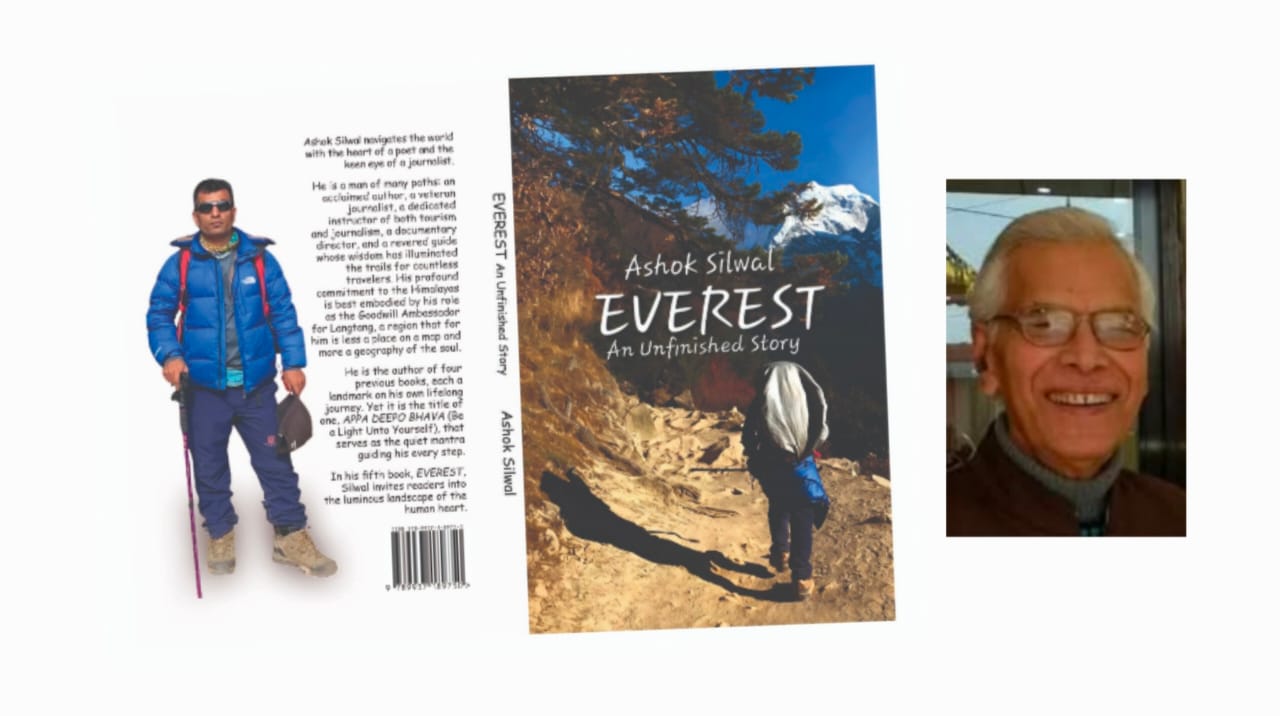
I am often tempted to write reflections on any good book that comes into my hands. This time, I happened to read Everest – An Unfinished Story, written by a renowned Nepali journalist who already has four engaging books to his credit. While turning its pages, I felt a wave of nostalgia when I came across a step (chapter) titled Sagarmatha. Being born in Saptari, one of the districts of Nepal’s former Sagarmatha Zone, this instantly stirred a personal connection. That emotional link inspired me to write about Sagarmatha, the world’s highest and most majestic mountain, which draws thousands of climbers and trekkers from across the globe every year.
The Meaning and Origin of Sagarmatha
Many scholars of Nepali literature have interpreted the meaning of Sagarmatha in different ways. The author of the book also refers to a Nepali historian while explaining its origin. During my service at All India Radio, New Delhi, I once met a visitor from Nepal at a time when Everest had officially been named Sagarmatha in Nepali. There was widespread curiosity and excitement about this new name. I, too, asked about its origin. According to him, when the Nepali name was being finalized, the late King Mahendra proposed the name Sagarmatha, which literally means “Head of the Sagar.”
Mythology Behind the Name
Nepali mythology associates the name Sagar with a Suryavanshi king who had a thousand sons. These sons ventured into the netherworld in search of the sacrificial horse for the Ashwamedha Yajna. In the process, they disturbed a saint, who cursed them to turn into ashes, leading to their tragic end.
Grief-stricken, King Sagar meditated deeply to invoke the holy river Ganga for the salvation of his sons. According to legend, the river descended to earth, granting them salvation. The ocean itself is also known as Sagar, named after the king. Thus, Sagarmatha, meaning the “head of the ocean,” came to be associated with Everest and gained popularity in Nepal.
Dedication and Early Pages of the Book
On the very first page, the author Ashok Silwal dedicates Everest to his “road family”, past, present, and future. I understand this phrase as referring to the community of Himalayan trekkers and companions he encountered along his journeys. The second page is filled with goodwill messages from trekking friends with whom he worked as a guide. These pages immediately establish the book’s emotional warmth and sense of shared experience.
A Journey of Return, Not Conquest
The third page features the Author’s Note, where Silwal writes, “I set out for Everest with a destination in mind. The mountain had other plans for me.” At 4,410 meters in Dingboche, his body and spirit were forced to stop. The book thus becomes a story not of ascent, but of return.
In his own words, this was not a journey of conquest but of surrender. A severe headache prevented him from reaching Everest Base Camp. Yet, he discovered a different kind of summit, human kindness, shared meals in cold lodges, the quiet wisdom of porters, and the simple joy found in human connection.
Dreams Fulfilled and Dreams Shattered
The author is not alone in facing an unfinished dream. Many climbers and trekkers are compelled to turn back due to harsh weather or altitude sickness. I recall a tragic incident from my own family. After reaching Everest Base Camp, our relative Shailendra Kumar Upadhyaya collapsed while attempting the climb and breathed his last in the lap of the Himalayas. Everest blesses some with victory and records, while others return with heartbreak, or not at all.
Encounters with Everest Legends
During my service years, I once interviewed the nephew of Tenzing Norgay Sherpa, who first summited Everest alongside Edmund Hillary. Though I cannot now recall his name, he had climbed Everest multiple times and spoke joyfully of his experiences as part of a successful Indian expedition team.
Steps Instead of Chapters
The book contains 13 “steps” instead of chapters, perhaps symbolizing the gradual journey of a trek. The first step, Sagarmatha, includes excerpts from emails sent by Jennifer from Sydney, for whom the author once served as a trekking guide. It also introduces Julie from Paris, who calls Sagarmatha “the goddess of the sky,” describing the name as mysterious and magical.
From Lukla to Phakding
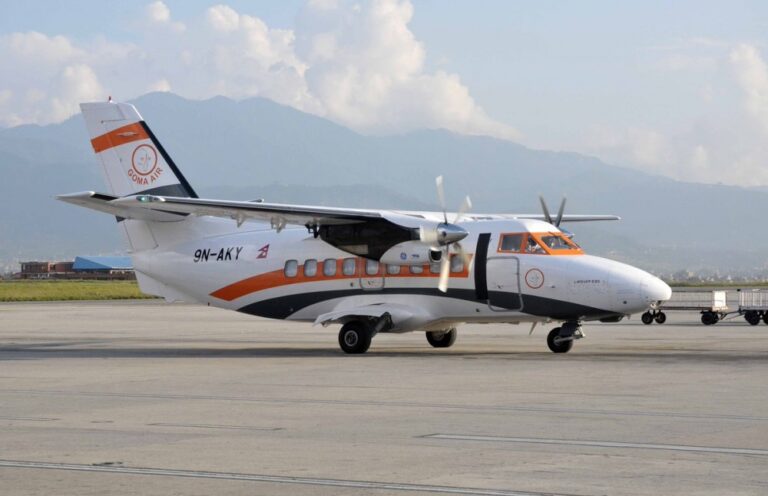
The author later meets Sisi, a seasoned Chinese trekker, on his third visit to Nepal. Together, they fly to Lukla in a small aircraft the author humorously compares to a tractor. The breathtaking views of snow peaks, forests, and yaks make the journey unforgettable. Lukla Airport, built in 1964 under Sir Edmund Hillary’s supervision, appears nestled in nature’s lap.
Step Two includes more encouraging letters from Jennifer. The trek from Lukla to Phakding follows, marked by ascents and descents. Sadly, Julie falls ill and must return to Kathmandu by helicopter, leaving her Everest dream unfinished.
An Unfinished Yet Complete Story
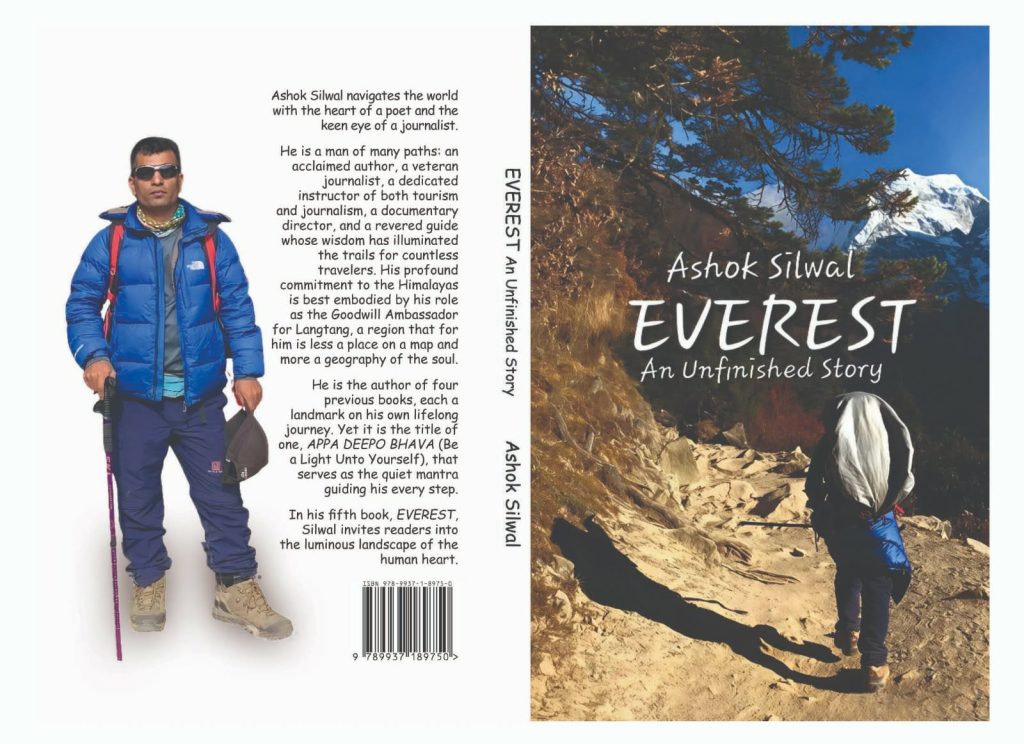
True to its title, the 123-page book captures many such unfinished journeys. The remaining steps are filled with emotional and humorous incidents, portraying daily struggles, health challenges, and cross-cultural friendships. Trekkers from different parts of the world feature in these vivid narratives.
A Book for All Readers
Although rooted in the author’s personal experiences as a trekking guide, the book is highly informative, especially for aspiring trekkers. Written in simple English, it is accessible even to young readers. Light in weight and rich in content, Everest – An Unfinished Story is a delightful companion, both on the trail and at home.
Book Review By: Prakash Prasad Upadhyaya