Regent Hotels & Resorts is undergoing a carefully planned revival aimed at restoring its historic stature in the global luxury hospitality market. Once regarded as a pioneer of Asian luxury since its founding in the 1970s, the brand is now repositioning itself following its acquisition by IHG Hotels & Resorts in 2018.
The renewed strategy focuses on blending Regent’s storied heritage with contemporary design, wellness-driven experiences, and selective expansion, an approach intended to re-establish the brand as an exclusive name rather than a mass-market luxury chain.

Measured Growth Over Rapid Expansion
Unlike many luxury hotel brands that pursue aggressive global scaling, Regent is prioritizing quality over quantity. The company aims to build a portfolio of around 40 to 50 hotels worldwide, ensuring that each property reflects its distinct identity and high standards.
The brand is positioning itself between the timeless elegance associated with The Peninsula Hotels and the modern, design-oriented philosophy of Rosewood Hotels & Resorts. This balance allows Regent to offer sophistication without appearing overly traditional, appealing to a new generation of luxury travelers seeking both authenticity and innovation.
Key Openings Signal Momentum
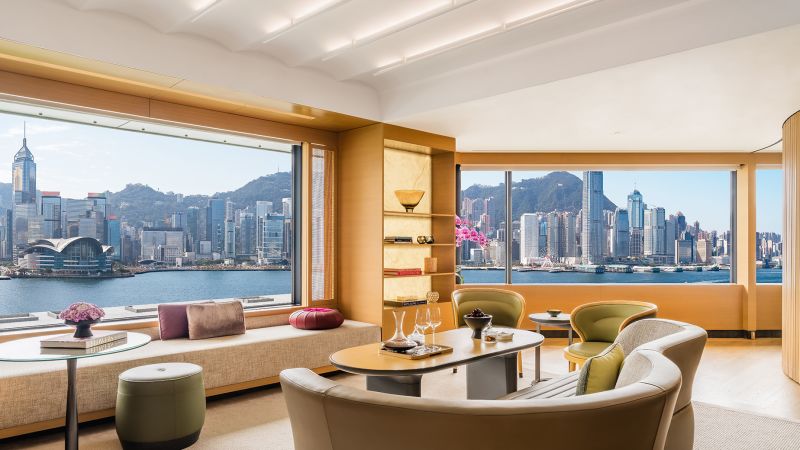
As part of its comeback, Regent has already launched new properties in several major destinations, including Vietnam, Hong Kong, Santa Monica, and Shanghai. Upcoming developments are planned in Melbourne, Kuala Lumpur, Saudi Arabia, Japan, French Polynesia, and additional locations in the United States.
Despite the growing footprint, company leaders emphasize that expansion will remain highly selective. Each new property undergoes rigorous evaluation to ensure alignment with Regent’s ethos of cultural integration, architectural distinction, and personalized luxury.
Design Philosophy Blends Global Elegance With Local Identity
A defining feature of Regent’s revival is its design approach, which emphasizes harmony between global aesthetics and local culture. The brand follows a structured material philosophy:
- 50% neutral and organic materials to create timeless elegance
- 40% contrasting elements to add depth and character
- 10% accent features to provide visual stimulation and individuality
This design balance ensures a recognizable brand signature while allowing each hotel to reflect its destination’s heritage and craftsmanship.
One example is the Regent property in Bali’s Canggu district, where contemporary luxury is combined with Balinese artistry, creating an experience that resonates with both international visitors and culturally curious travelers.
Focus on Wellness and Personalized Luxury
Regent is also strengthening its emphasis on wellness and private retreat-style experiences. The brand promotes its hotels as “personal havens,” offering tailored services, sensory-focused environments, and wellness programs designed to rejuvenate both body and mind. This holistic approach reflects a broader shift in luxury hospitality, where travelers increasingly seek meaningful, restorative experiences rather than traditional opulence alone.

Reclaiming Prestige Through Heritage and Innovation
The revival is not solely about increasing the number of hotels; it is about redefining Regent’s place in the competitive luxury sector. By merging its historical legacy with forward-thinking design, curated growth, and culturally immersive experiences, the brand aims to create a bridge between classic luxury and contemporary expectations.
A Carefully Crafted Future
As Regent Hotels & Resorts continues its transformation under IHG, its strategy of selective expansion, design-driven identity, and personalized service is expected to guide long-term growth. The brand’s measured comeback reflects a broader industry trend toward exclusivity, authenticity, and experiential travel. With a renewed vision rooted in heritage yet aligned with modern luxury, Regent is positioning itself to once again become a defining name in high-end global hospitality.