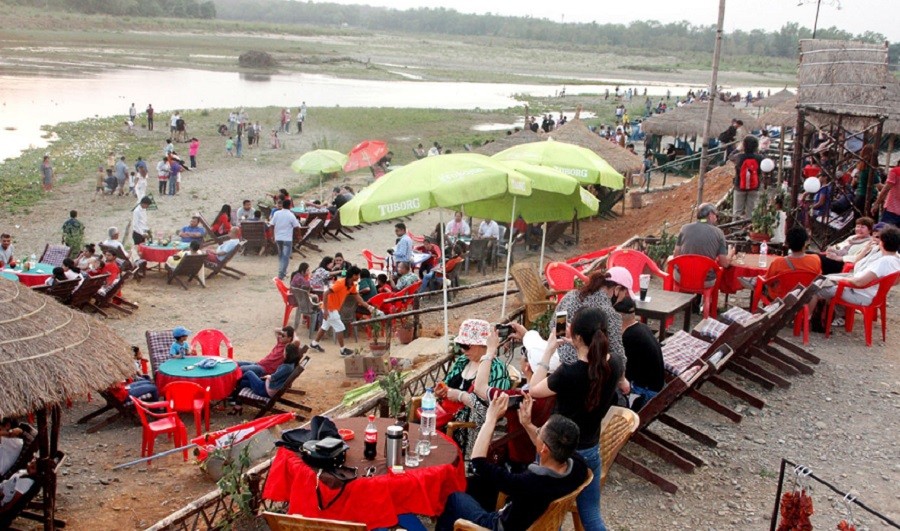
Tourism entrepreneurs in Sauraha are facing an unexpected slowdown during what is traditionally considered the busiest travel season. In previous years, hotels in the area recorded around 80 percent occupancy during this period. However, this year, visitor numbers have fallen to nearly half that level, leaving businesses concerned about the future of the season.
According to the Regional Hotel Association Chitwan President Om Prakash Pandey, February through April typically marks the main tourism window for Sauraha. “Even during such a favorable season, we are puzzled as to why tourists have not arrived,” he said, noting that hotel bookings have dropped to below 50 percent compared to the usual high demand.

Ideal Weather and Wildlife Visibility Fail to Draw Visitors
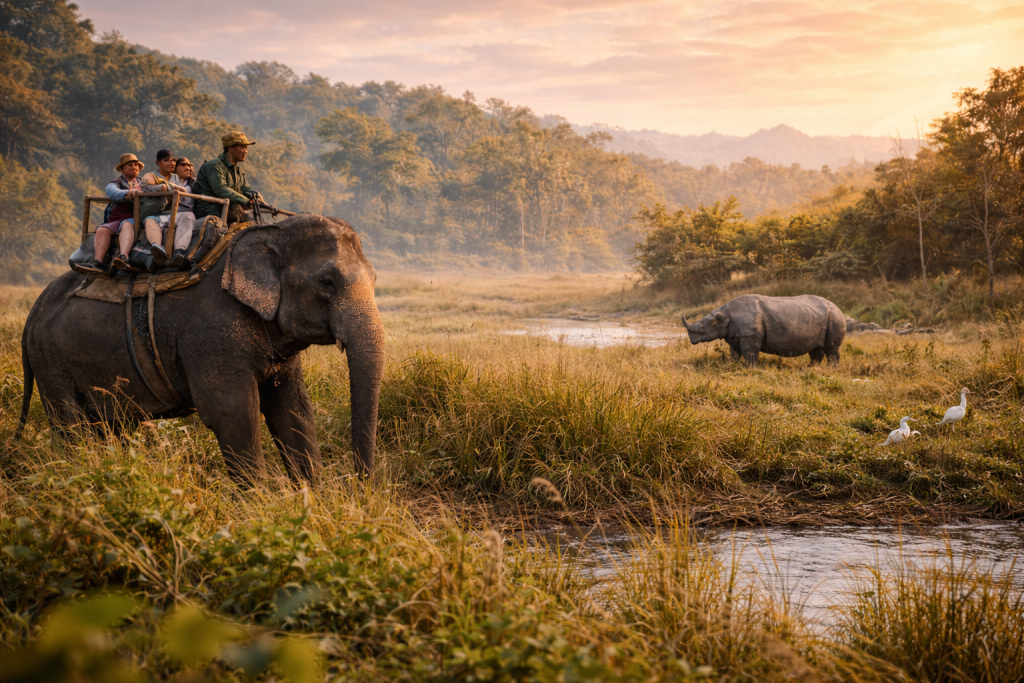
This time of year is widely regarded as ideal for wildlife tourism. The grasslands inside Chitwan National Park are cleared, allowing visitors to spot animals from greater distances. The moderate climate, neither too hot nor too cold, makes it comfortable for travelers of all age groups.
Despite these natural advantages, international tourist arrivals have remained noticeably low, directly affecting hotel operations and related businesses. Industry leaders say the downturn is not limited to Sauraha but reflects a broader national trend.
Industry Calls for Analysis of Declining Tourist Flow
Hotel Association Vice President Gunaraj Thapaliya attributed the decline partly to election-related uncertainties, which may have discouraged foreign travelers from planning visits. He expressed optimism that tourist numbers could rebound once the political environment stabilizes.
Similarly, hotelier Suman Ghimire noted that the drop in arrivals coincided with the pre-election period. He stressed the importance of communicating to the international community that the situation in Nepal remains peaceful and safe for travel.
Tourism Slowdown Impacts Entire Local Economy
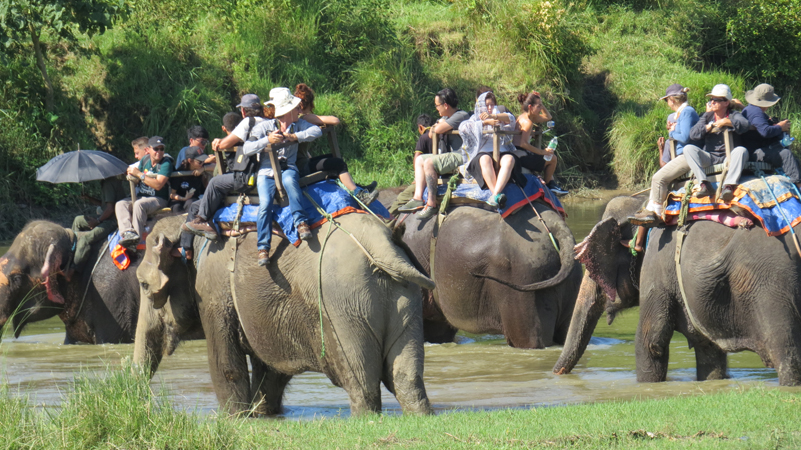
The decline in visitors has had ripple effects across tourism-linked services. Dipendra Khatiwada, Chairman of the United Elephant Operators Cooperative, said elephant safari services that previously operated four times daily are now running only once due to reduced demand. Restaurant businesses and other tourism-dependent enterprises have also experienced a significant downturn.
Banbas Resort General Manager Prakash Neupane acknowledged that although Sauraha usually welcomes substantial tourist traffic during this season, this year has been unusually quiet. Nevertheless, he remains hopeful that arrivals will gradually improve.
A Destination Heavily Reliant on Tourism
Sauraha is home to 148 hotels with a combined capacity to accommodate approximately 7,200 guests. The sector provides direct employment to around 6,400 people, while more than 12,000 others rely on tourism indirectly for their livelihoods.

The region attracts both domestic and international travelers eager to see rare wildlife such as the one-horned rhinoceros, Royal Bengal tiger, and gharial crocodile, along with hundreds of bird species. Visitors are also drawn to the rich Tharu culture, cultural performances, and conferences organized by various national institutions. Indian tourists traditionally form a significant portion of arrivals to the area.
While the current downturn has created uncertainty, tourism stakeholders believe that identifying the causes behind the reduced arrivals and strengthening international confidence could help revive momentum. With its unique blend of wildlife, culture, and favorable climate, Sauraha continues to hold strong long-term potential as one of Nepal’s flagship tourism destinations.