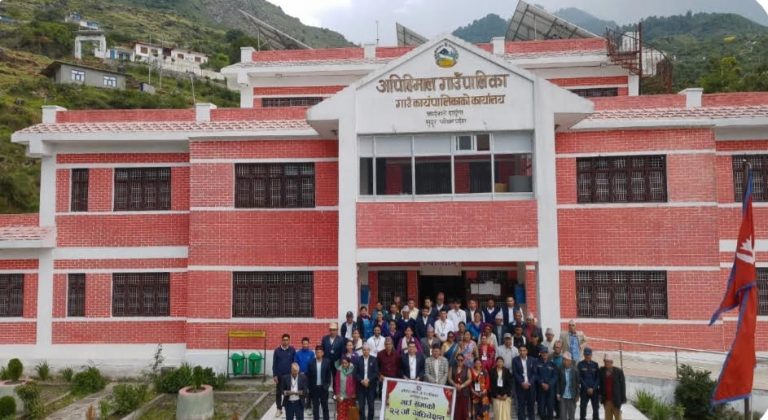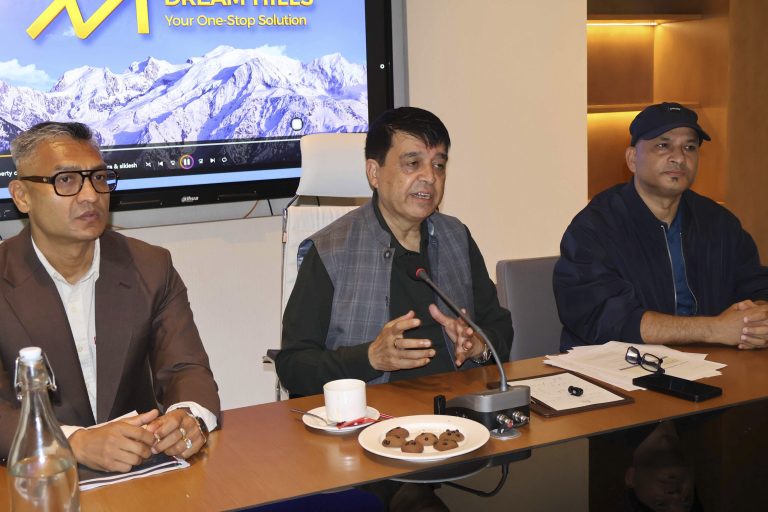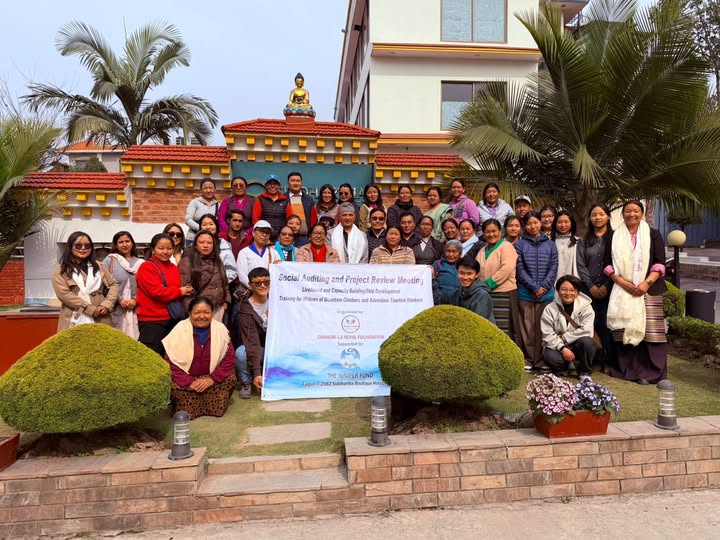
A social audit programme jointly conducted by the Shangri-La Nepal Foundation (SNF) and The Juniper Fund (TJF) concluded successfully at Siddharth Boutique Hotel, bringing together beneficiaries, local leaders and tourism stakeholders to review the progress of a livelihood and education support initiative for families of deceased mountaineers and mountain workers.
The event, held in Kathmandu, gathered around 50–60 participants, including widows of climbers, youth from affected families and representatives of local institutions. The programme served as both a transparency exercise and a celebration of the resilience and achievements of families who have rebuilt their lives through sustained support.
Supporting Families Left Behind by the Mountains
The initiative focuses on widows and children of mountaineers and high-altitude workers who lost their lives while working in the Himalayas. Funded by TJF and implemented in Nepal by SNF, the project provides livelihood assistance, education support, social development and skills training designed to help families achieve long-term self-reliance.
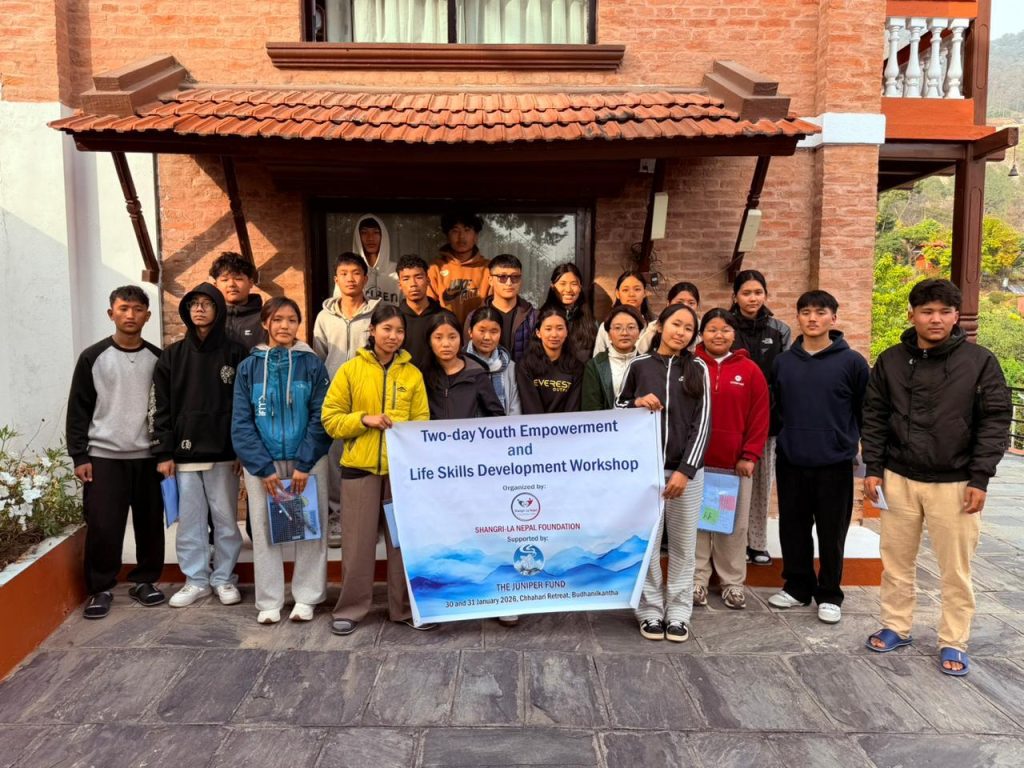
SNF President Jiban Ghimire explained that the programme was created to address a long-standing gap in support systems for families of fallen mountain workers. Since 2023, more than 76 affected families, directly impacting over 300 individuals, have benefited from various interventions under the three-year project, which has invested approximately USD 450,000 in financial aid, training and community development. “The goal is not only relief but empowerment,” Ghimire noted, emphasising that the foundation seeks to transform grief into opportunity through education, employment and entrepreneurship
Wide Range of Training and Livelihood Activities
According to Programme Director Ang Chokpa Sherpa, the initiative has organised an extensive range of capacity-building programmes over the past three years. These include 144 livelihood-support activities, leadership development workshops, local resource-based craft training and multiple professional courses such as trekking guide training, cooking classes and 11 hotel management trainings.
In addition, 38 educational support initiatives have been implemented, alongside entrepreneurship and business development mentoring, organic farming assistance and water, sanitation and hygiene (WASH) awareness programmes. The project has also extended support to the Khumbu Climbing Center to train aspiring female mountaineers, encouraging greater inclusion of women in adventure tourism.
Voices of Resilience and Transformation
Beneficiaries shared deeply personal stories during the social audit, illustrating how the programme has helped families regain stability and confidence. Mingma Dawa Sherpa, who lost his father while working in the mountains, said the support enabled his family to move forward despite emotional and financial hardship.
Similarly, Phur Diki Sherpa shared that she had trained as a mountaineer herself after losing her husband, continuing his legacy while building her own career in the mountains. TJF has also provided full scholarships to 73 students pursuing Grades 11 and 12 education, ensuring that children from bereaved families can continue their studies without interruption.
Local Government and Tourism Stakeholders Show Commitment
The programme drew participation from representatives of Khumbu Pasang Lhamu Rural Municipality, tourism expert Bachhu Narayan Shrestha, and members of the Pasang Lhamu Mountaineering Foundation, reflecting strong institutional backing.
Rural Municipality Chairman Mingma Chhiri Sherpa praised the transparency and measurable impact of the SNF–TJF collaboration and expressed readiness to continue supporting such initiatives to ensure sustainability at the local level. Ward Chair Nuru Jangbu Sherpa described the programme as a “noble initiative” that addresses the social responsibilities associated with Nepal’s mountaineering sector.
Origins of The Juniper Fund and Its Mission
Ghimire noted that TJF was founded by American climbers David Morton and Melissa Arnot Reid after witnessing the lack of safety nets for Nepali high-altitude workers during expeditions. The organisation now focuses primarily on supporting Nepali climbing staff and their families, many of whom lost their lives on Mount Everest and other Himalayan expeditions. Their work recognises what founders called an “unmet obligation” within the global mountaineering community, ensuring that those who take the greatest risks are not forgotten when tragedy occurs.
Building a Stronger and More Compassionate Mountain Community
The social audit concluded with renewed commitment from partners to continue collaboration and expand programmes that strengthen livelihoods, education and dignity among affected families across Nepal. Participants expressed enthusiasm for future activities and highlighted the importance of sustained engagement to create lasting change.
As Nepal’s adventure tourism industry continues to grow, initiatives like this demonstrate how responsible tourism can extend beyond economic gains to include social protection, inclusion and community resilience, ensuring that the mountains not only inspire the world but also care for those who serve them.