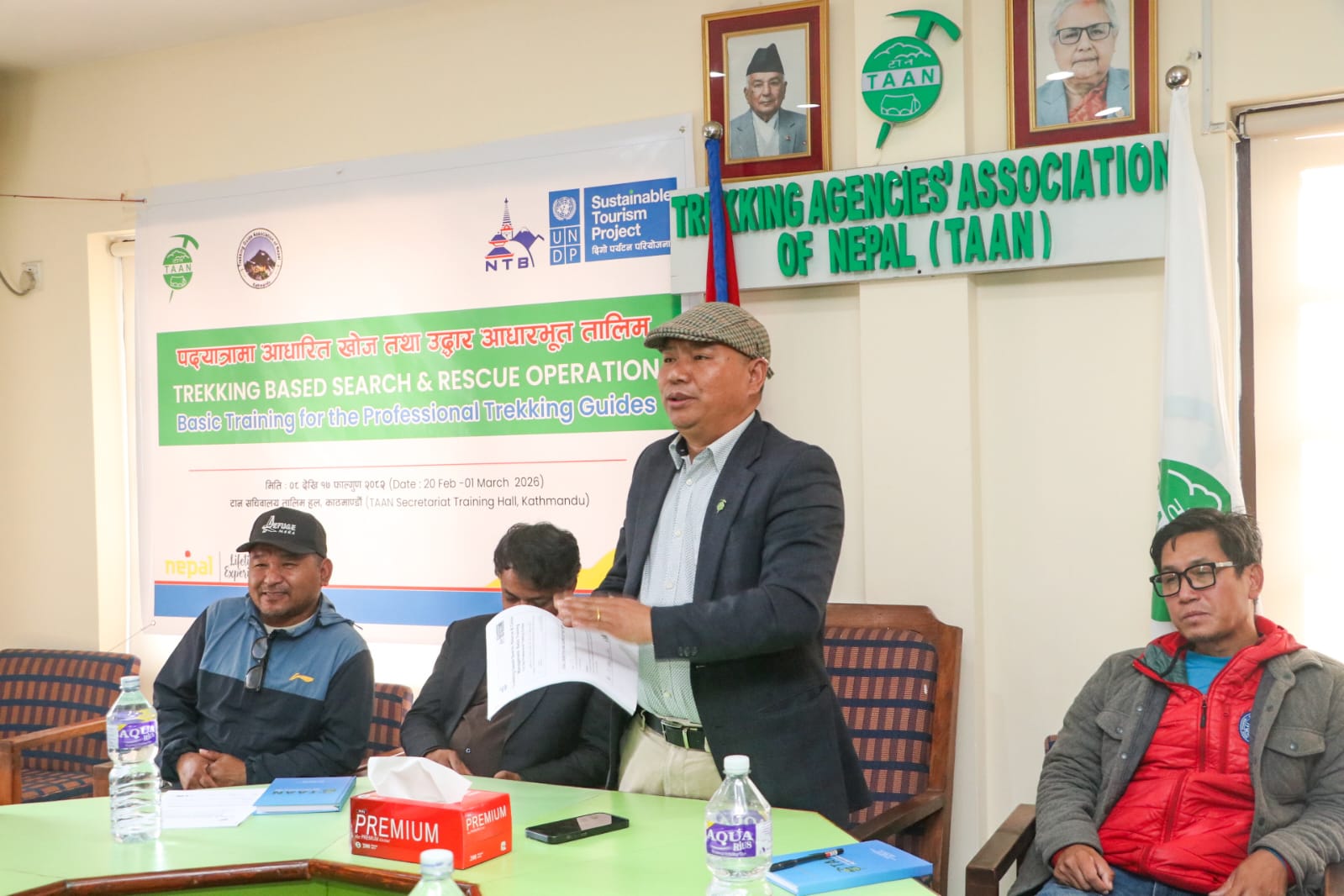
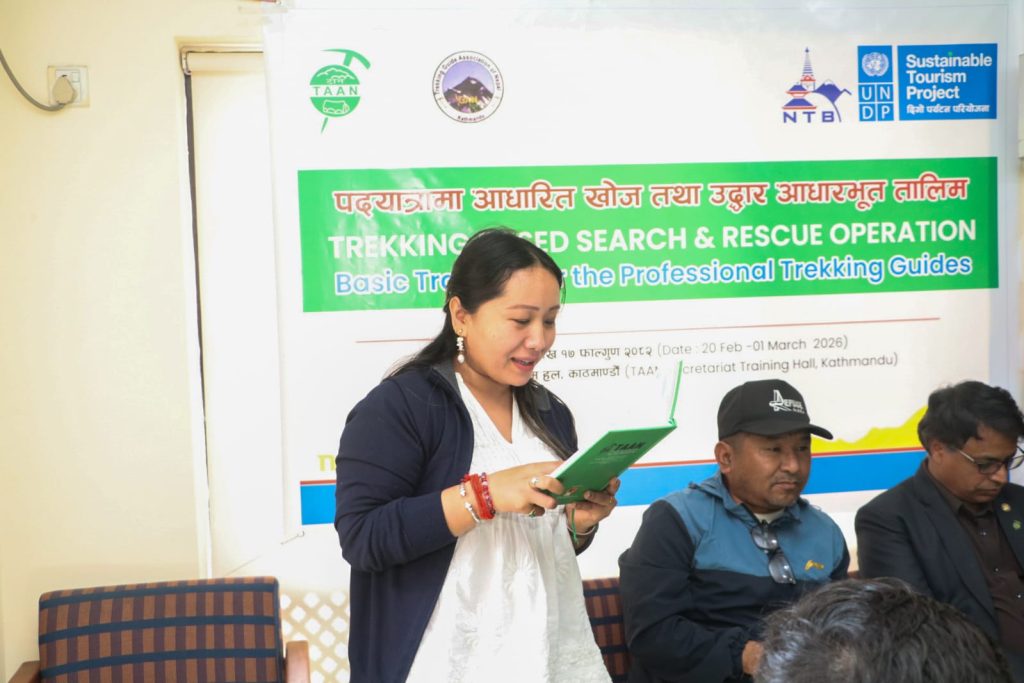
A 10-day basic search and rescue training programme for professional trekking guides has commenced at the Secretariat of the Trekking Agencies’ Association of Nepal (TAAN) in Maligaon, Kathmandu, aiming to enhance emergency response capacity across some of Nepal’s most remote and high-risk trekking regions.
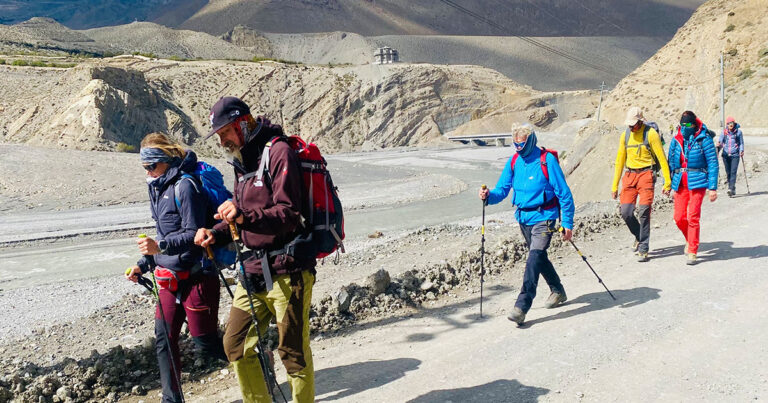
The training brings together sixteen licensed trekking guides, including two women, representing diverse trekking corridors such as Makalu Barun, Everest, Manaslu, Annapurna, Dolpo and Sudur Pachchim. These regions, known for their rugged terrain and challenging weather patterns, require well-prepared field professionals capable of responding swiftly and effectively to emergencies.
The programme has been jointly organised by the Sustainable Tourism Project (STP) and TAAN in collaboration with the Trekking Guide Association of Nepal (TGAN). STP itself is a collaborative initiative between the Nepal Tourism Board and the United Nations Development Programme (UNDP).
Strengthening Safety in Mountain Tourism
The training is designed to strengthen the search and rescue capabilities of professional trekking guides, contributing to safer and more sustainable trekking and adventure mountain tourism. With Nepal welcoming thousands of trekkers annually, industry stakeholders have increasingly recognised the need to equip frontline guides with technical rescue knowledge, risk assessment skills, and emergency preparedness strategies.
Mountain tourism remains one of Nepal’s most vital economic pillars, but the remoteness of trekking routes, unpredictable weather conditions, altitude-related illnesses, and logistical challenges can pose serious risks. By enhancing the professional capacity of guides, organisers hope to reduce response times during emergencies and improve coordination with rescue agencies.
Inauguration Ceremony Highlights Industry Commitment
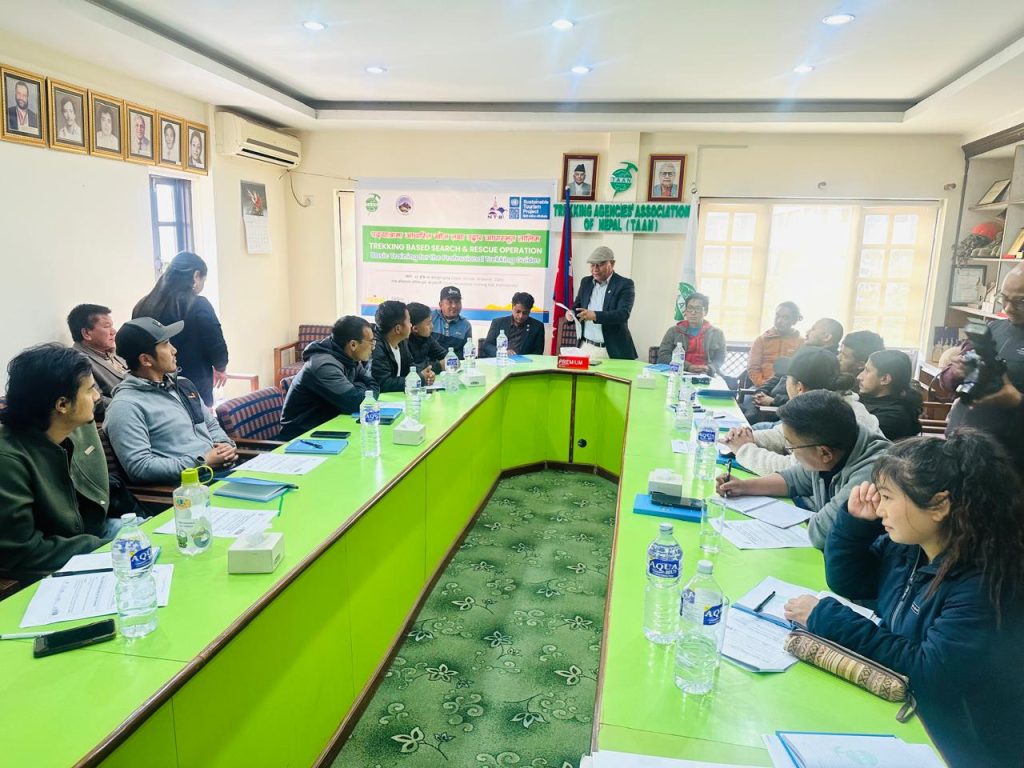
The inauguration ceremony was chaired by TAAN General Secretary Sonam G. Sherpa and facilitated by TAAN Executive Committee Member and Training Department Joint Coordinator Ambir Bahadur Gurung.
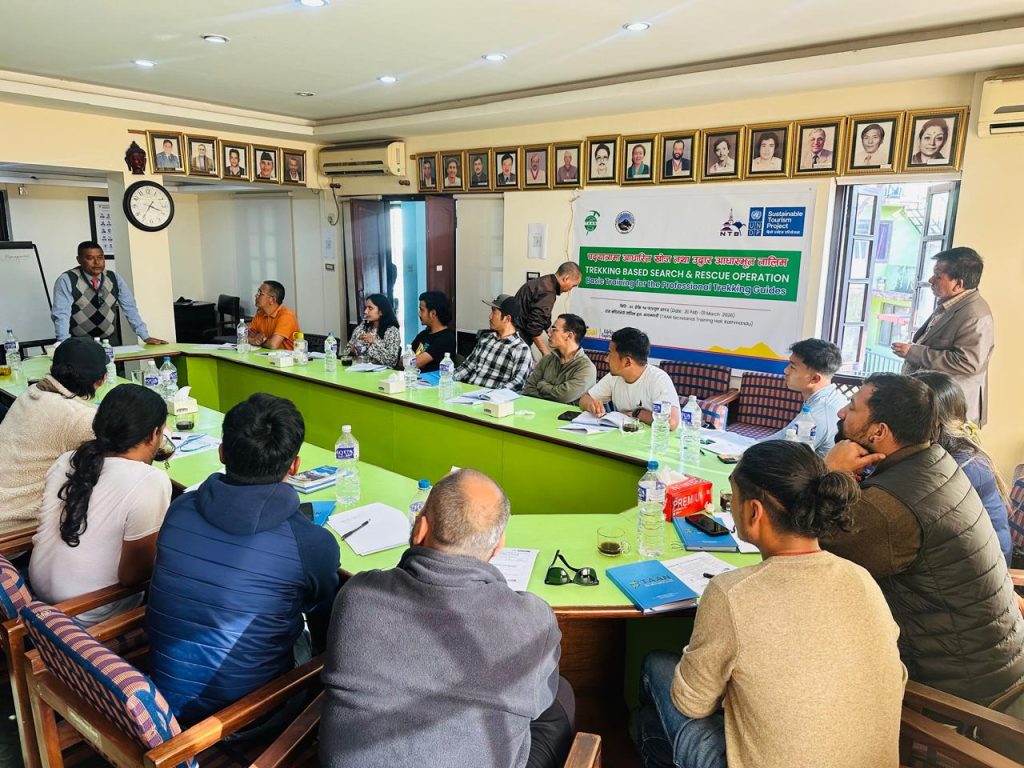
During the opening session, TAAN Executive Committee Member Pabitra Tamang formally welcomed the participants and emphasised the importance of preparedness in safeguarding both trekkers and guides. TAAN Joint Treasurer Gautam Raj Wagle and TGAN President Wangchu Sherpa also addressed the gathering, extending their best wishes and underlining the collective responsibility of tourism stakeholders to maintain Nepal’s reputation as a safe and reliable trekking destination.
Speakers highlighted that professional guides are often the first responders in mountain emergencies, making their training not only beneficial but essential for the long-term sustainability of the trekking sector.
Comprehensive Curriculum Blending Theory and Practice
Over the ten-day programme, participants will undergo intensive theoretical and practical training tailored specifically to Nepal’s mountain environment. The curriculum focuses on hazard identification and risk assessment in trekking and adventure tourism, enabling guides to anticipate potential dangers before they escalate.
Trainees will also study legal frameworks, documentation requirements, and standard operating procedures associated with trekking-based search and rescue operations. Understanding these protocols ensures that rescue missions are conducted efficiently while complying with national and international safety standards. A significant component of the course involves familiarisation with rescue equipment, including personal protective gear, logistics materials, emergency lifesaving tools, and communication devices essential for coordinating operations in remote terrain.
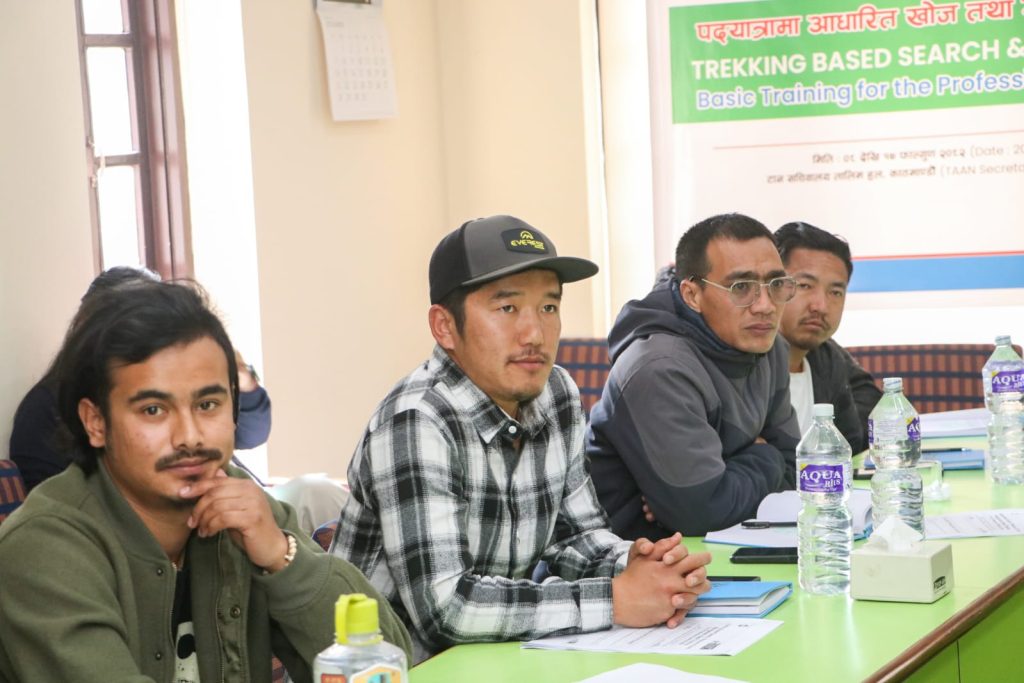
Hands-on sessions will train participants in core search techniques, evacuation procedures, and rescue coordination. Practical simulations are expected to replicate real-life mountain emergencies, allowing guides to apply classroom learning to realistic scenarios.
Focus on Emergency Lifesaving and First Aid Skills
Emergency medical response forms another central pillar of the training. Participants will learn to use lifesaving tools and administer first aid in high-altitude conditions, where professional medical facilities are often hours or days away.
These skills are particularly critical in addressing altitude sickness, injuries, hypothermia, and other health risks frequently encountered on trekking routes. By strengthening medical readiness among guides, organisers aim to significantly improve survival outcomes during accidents or natural hazards.
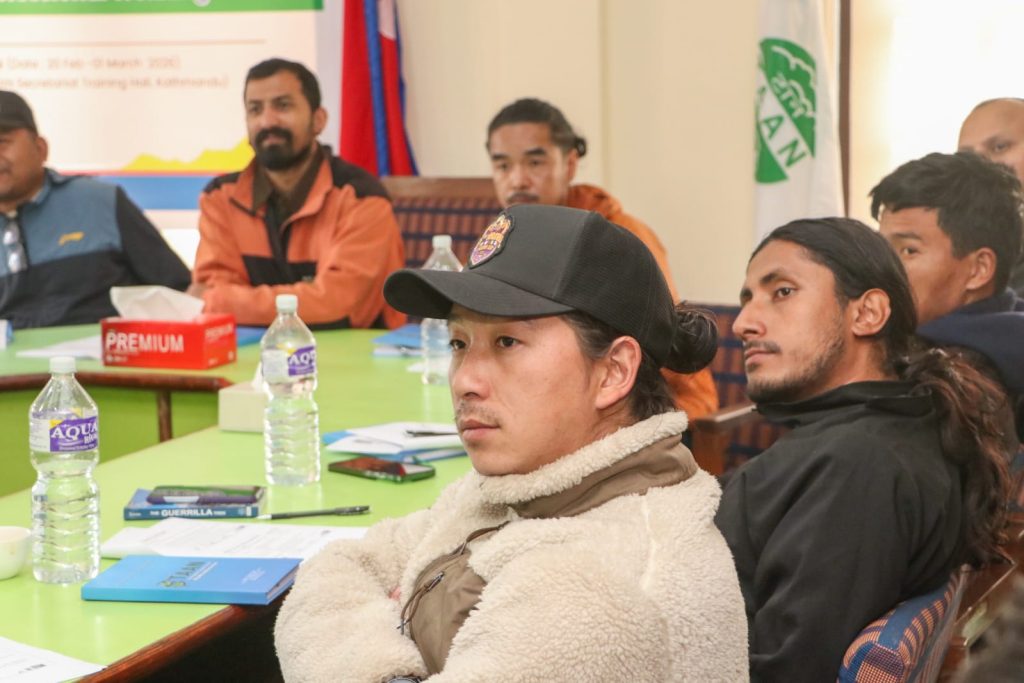
The initiative reflects a broader shift within Nepal’s tourism industry toward responsible and sustainable trekking practices. As global travellers increasingly prioritise safety and environmental responsibility, enhancing the competence of field professionals is viewed as key to maintaining Nepal’s competitiveness as a premier adventure destination.
Organisers believe that empowering guides with technical expertise not only protects visitors but also supports local communities whose livelihoods depend on trekking tourism. The training is expected to serve as a model for future capacity-building programmes and encourage continued collaboration between government bodies, development partners, and industry associations.
With the demand for adventure travel steadily growing, initiatives such as this underscore Nepal’s commitment to ensuring that its iconic mountain experiences are matched by equally strong safety and rescue systems.