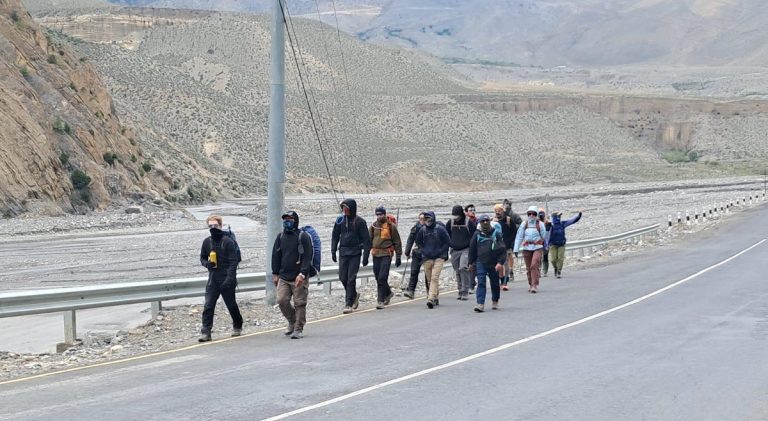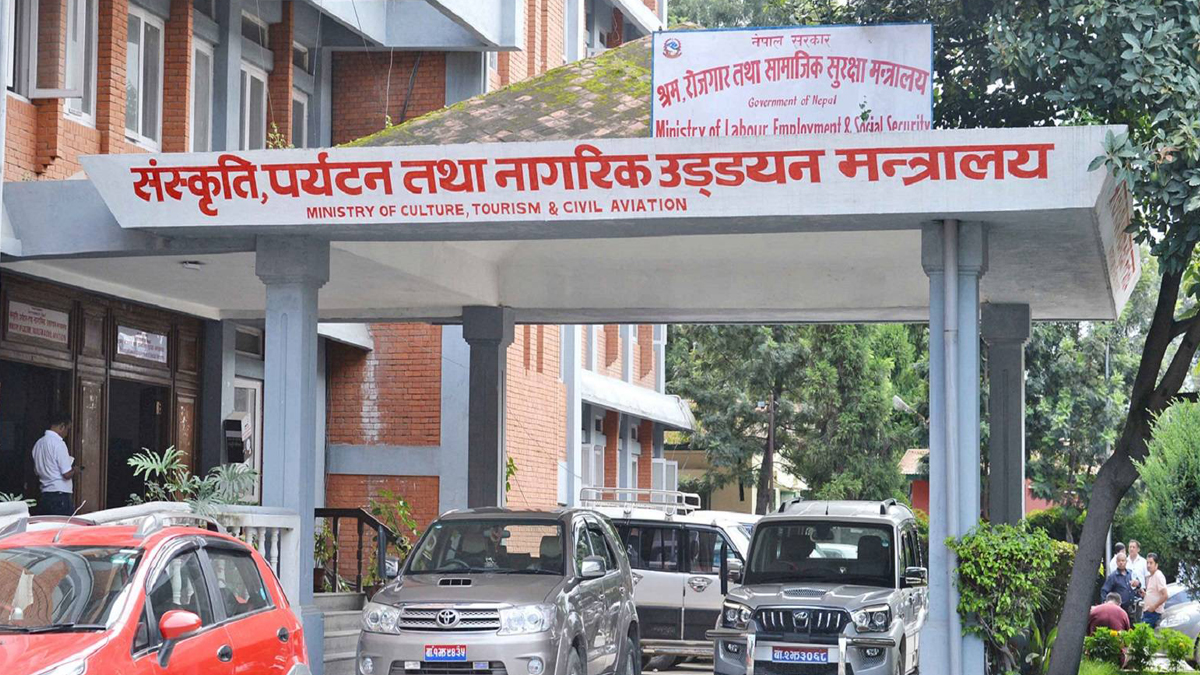
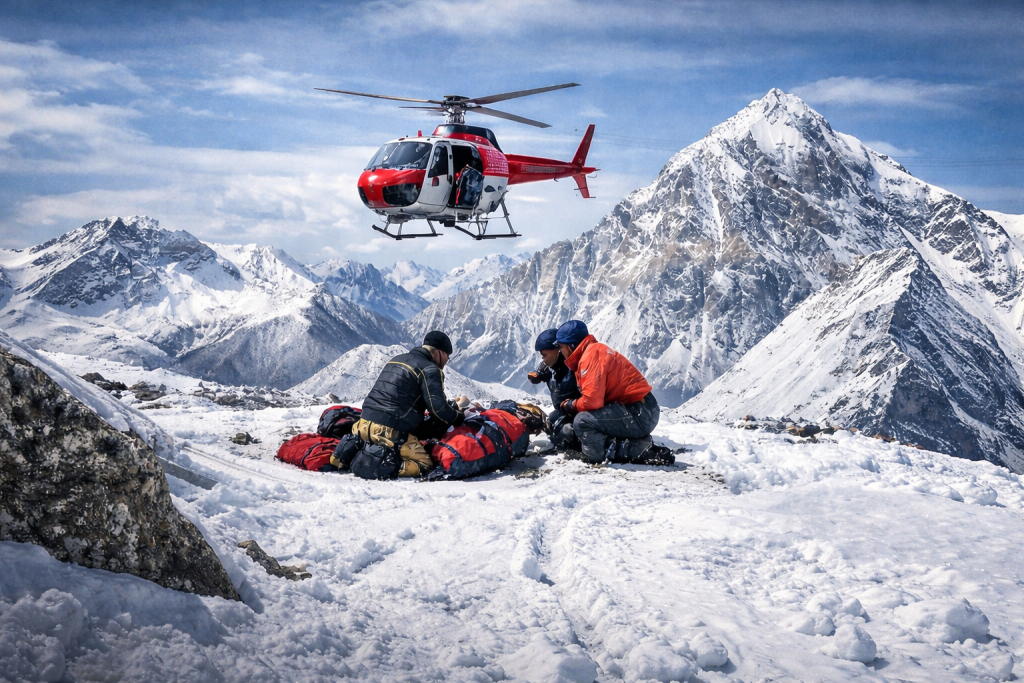
The Government of Nepal, through the Ministry of Culture, Tourism, and Civil Aviation (MoCTCA), has announced decisive measures to address recent allegations concerning helicopter rescue operations in Nepal’s trekking and mountain tourism sector. These allegations, reported by both national and international media, have raised concerns about exaggerated altitude sickness symptoms, unnecessary helicopter evacuations, and inflated insurance claims involving a small number of operators. Recognizing the urgency and sensitivity of the situation, the Government has committed to immediate and comprehensive action to safeguard both the integrity of the sector and Nepal’s reputation as a premier trekking destination.
Clarifying Unsubstantiated Allegations
While some reports have suggested deliberate harm to trekkers, including claims of contaminated food, the Ministry clarified that such allegations have not been substantiated by investigations conducted by the Central Investigation Bureau (CIB). MoCTCA emphasized that media outlets and stakeholders should verify information with official sources to prevent the spread of misinformation, which could unfairly damage Nepal’s tourism image.

The Government also highlighted that these incidents are not representative of the tourism industry as a whole, acknowledging that the vast majority of guides, trekking agencies, and operators continue to maintain the highest ethical standards and uphold Nepal’s long-standing tradition of hospitality.
Immediate Measures for Transparency and Accountability
To ensure transparency and accountability, the Ministry has implemented a series of immediate actions. A zero-tolerance policy is now in place, which includes strict investigations, blacklisting, and public disclosure of individuals and agencies found guilty of fraudulent practices.
In addition, the Government is engaging directly with international insurance providers to establish verification mechanisms and restore confidence in the rescue system. A joint monitoring task force comprising MoCTCA, the Civil Aviation Authority of Nepal (CAAN), Nepal Police, Nepal Tourism Board (NTB), and aviation stakeholders has been mobilized to strengthen oversight, conduct regular audits, and ensure authentic and timely communication with all concerned parties.
Structural Reforms for Long-Term Governance
Alongside immediate measures, MoCTCA is advancing medium- and long-term reforms to improve sector governance. Key initiatives include the development of a technology-enabled Rescue Management System, which integrates trekker registration, rescue requests, and insurance verification.
The Government is also focusing on strengthening licensing requirements for guides and trekking agencies, including mandatory ethical compliance and adherence to standardized medical protocols for altitude sickness diagnosis. Local-level governance in trekking regions is being enhanced, and ethical tourism certification standards are being promoted to maintain a high level of professionalism.
A high-level review committee, coordinated by the Joint Secretary of MoCTCA, has been formed to monitor the strict implementation of existing procedures, ensuring tighter regulation, digital verification systems, and firm action against offenders.
Restoring Confidence in Nepal’s Tourism Sector
MoCTCA emphasized that the current issues reflect isolated cases of malpractice rather than systemic failure. With these reforms, Nepal is confident of renewing international trust, reinforcing its reputation as a safe, responsible, and world-class trekking destination.

The Government remains fully committed to ensuring the safety, integrity, and sustainability of its tourism sector. Continuous engagement with international partners, media, and stakeholders will further elevate confidence in Nepal as a leading adventure tourism destination.
Officials stressed that ethical, transparent, and well-regulated operations will protect both visitors and the livelihoods of thousands of Nepalese who depend on trekking and mountain tourism. With decisive action and collaborative governance, Nepal aims to continue welcoming trekkers and climbers from around the world while upholding the highest standards of safety and professionalism.