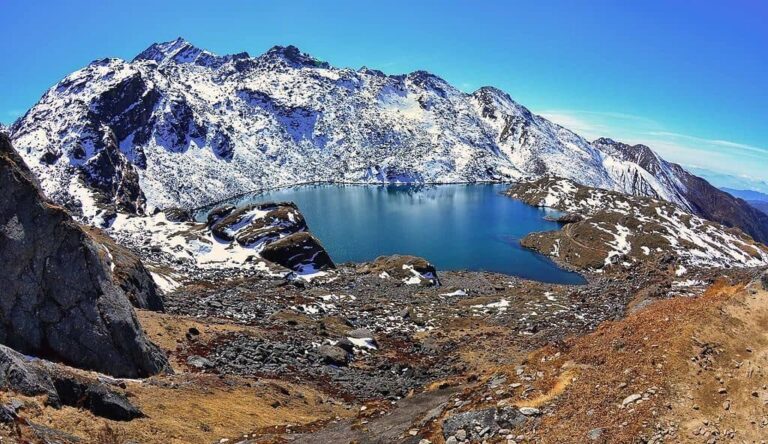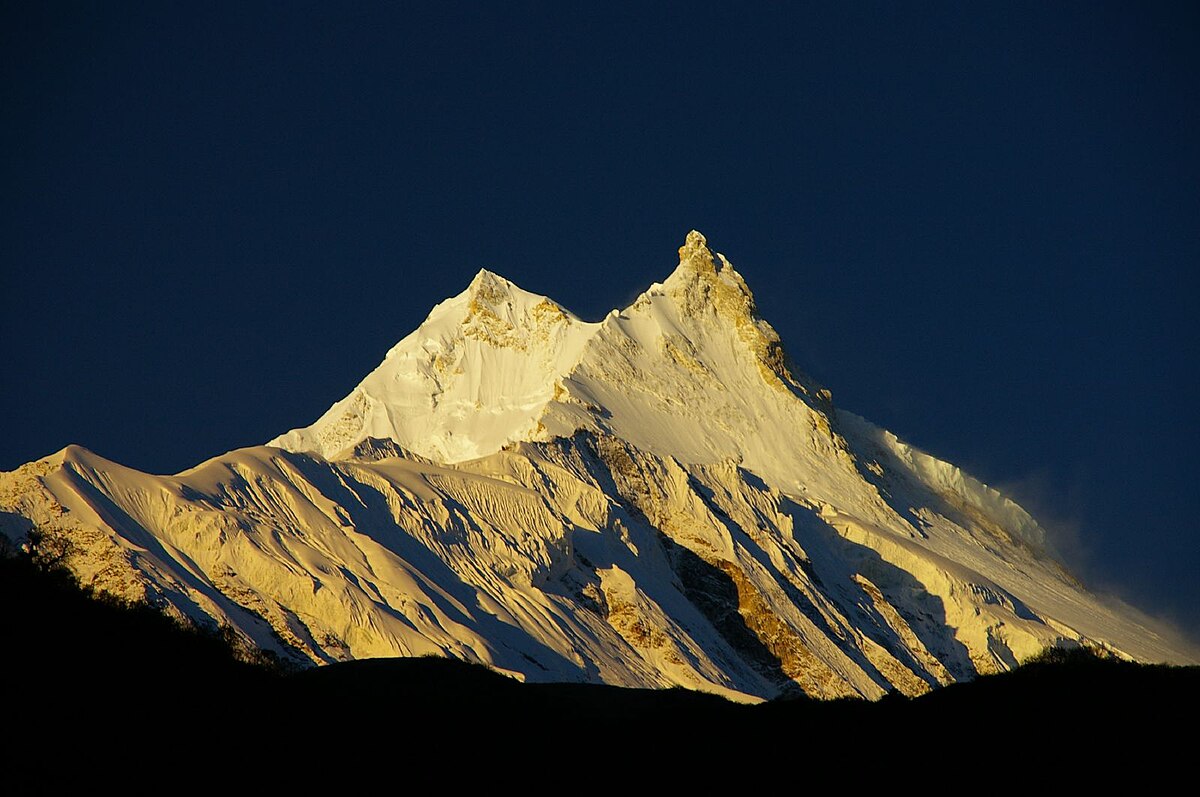
Nestled in the heart of the Himalayas, Manaslu, the eighth-highest mountain in the world, stands as a beacon for adventure enthusiasts and nature lovers alike. Towering at an imposing height of 8,163 meters (26,781 feet), Manaslu is not just a majestic peak but a thriving hub for tourism, offering an array of experiences that blend natural beauty, cultural richness, and thrilling adventures.
A Journey Through Manaslu
- Manaslu Conservation Area: The journey to Manaslu begins in the enchanting Manaslu Conservation Area, which spans 1,663 square kilometers. Established in 1998, the conservation area is a haven for biodiversity, home to over 2,000 species of plants, 33 mammals, 110 birds, and 11 butterflies. The area also preserves the unique cultural heritage of the local communities, primarily the Gurung and Tibetan ethnic groups.
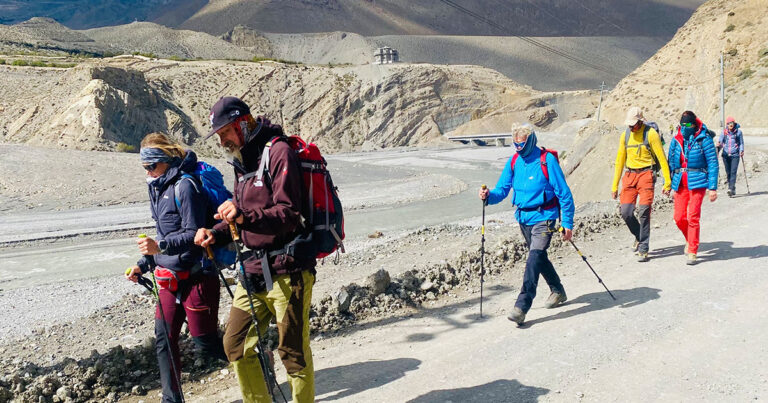
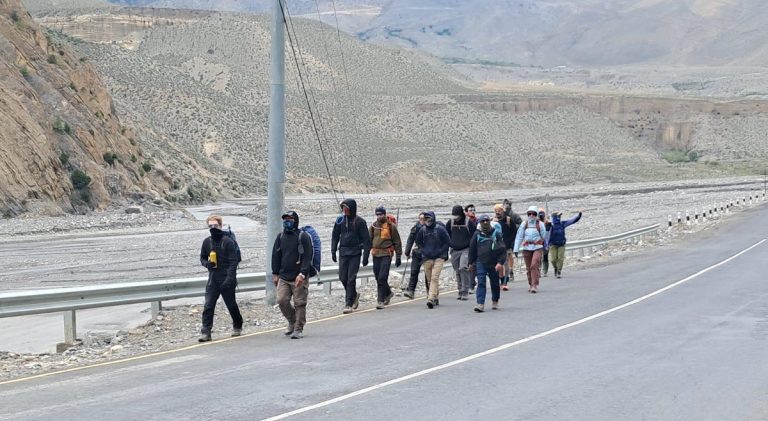
- Manaslu Circuit Trek: One of the most sought-after trekking routes, the Manaslu Circuit Trek, offers an unparalleled trekking experience. This 14-18-day trek takes adventurers through diverse landscapes, from lush green forests and terraced fields to glacial valleys and rugged terrains. Trekkers are rewarded with spectacular views of the Manaslu range, including peaks like Ngadi Chuli, Himalchuli, and Ganesh Himal. The trek also involves crossing the challenging Larkya La Pass, standing at 5,160 meters, which provides a breathtaking panorama of the surrounding mountains.
- Cultural Richness: The region around Manaslu is a tapestry of cultures. The villages of Samagaun, Samdo, and Lho offer a glimpse into the traditional lifestyle of the local communities. Visitors can explore ancient monasteries, such as Pungyen Gompa and Ribung Gompa, which are rich in history and spiritual significance. The warm hospitality of the locals, combined with their unique customs and traditions, adds a cultural dimension to the trekking experience.
The Rise of Eco-Tourism
- Sustainable Tourism Practices: The growing popularity of Manaslu as a trekking destination has brought about a focus on sustainable tourism practices. Efforts are being made to minimize the environmental impact of tourism through waste management programs, the promotion of eco-friendly accommodations, and awareness campaigns among trekkers. The involvement of local communities in tourism activities ensures that the economic benefits are shared, promoting sustainable development in the region.
- Adventure Activities: Beyond trekking, Manaslu offers a range of adventure activities. Mountaineering is a significant draw, with several expeditions attempting to summit the peak each year. The Manaslu Base Camp, situated at 4,800 meters, serves as the starting point for climbers. Additionally, the region is ideal for activities such as camping, mountain biking, and bird watching, catering to various interests of adventure tourists.
Challenges and Opportunities
- Accessibility and Infrastructure: One of the challenges facing tourism in Manaslu is accessibility. The region is relatively remote, and the trek requires a special permit, which includes the Manaslu Restricted Area Permit and the Annapurna Conservation Area Permit. However, improvements in infrastructure, such as better trails, lodges, and communication facilities, are gradually making the region more accessible to tourists.
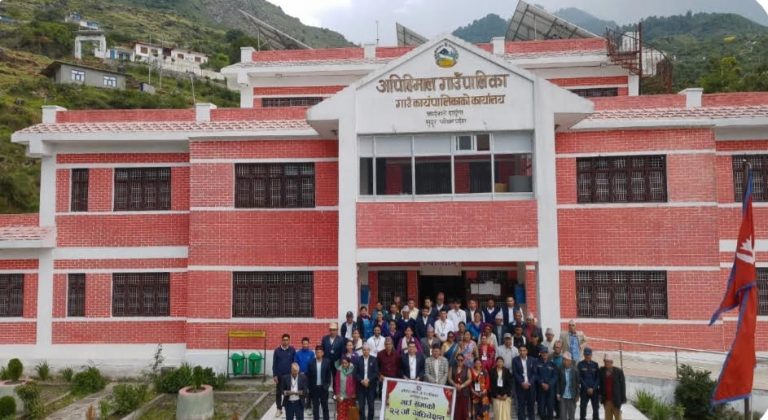
- Promoting Manaslu Globally: With its rich natural and cultural heritage, Manaslu has immense potential to attract tourists from around the world. Efforts by the Nepal Tourism Board and various travel agencies to promote Manaslu through digital platforms, international travel fairs, and adventure tourism packages are essential in boosting its global appeal.
Manaslu is a treasure trove for tourists seeking an authentic Himalayan experience. Its blend of natural beauty, cultural richness, and adventure makes it a must-visit destination. As sustainable tourism practices continue to grow, Manaslu promises to offer an enriching experience for generations to come, preserving its pristine environment and cultural heritage.