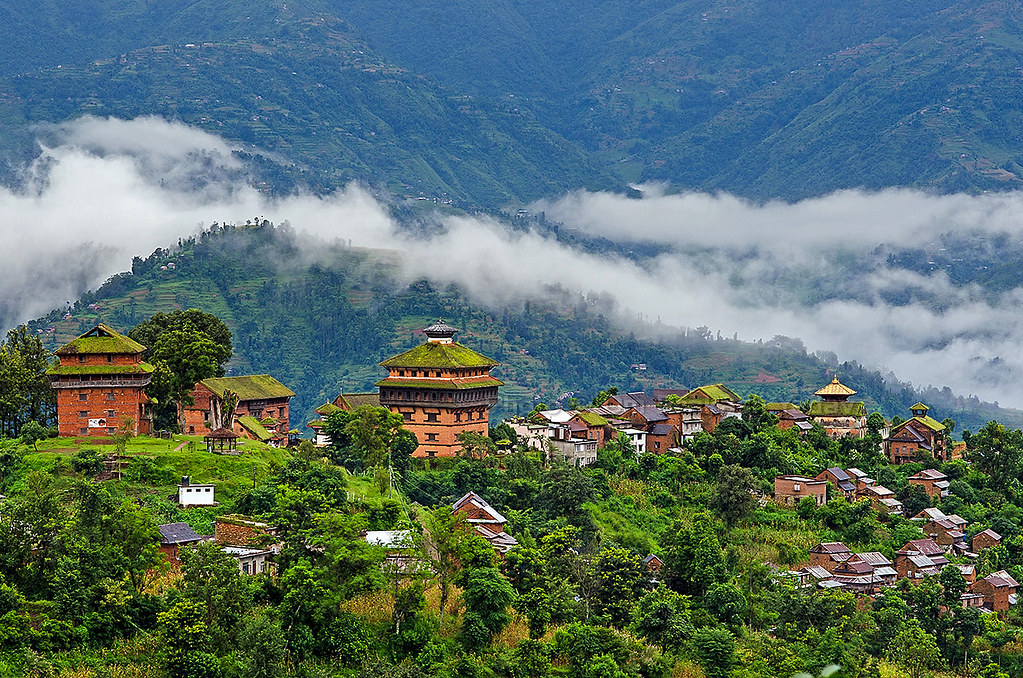
The year 2082 BS (April 2025–April 2026) stands as a defining period in the evolution of Nepal’s tourism sector. Emerging from the long shadow of the COVID-19 pandemic, Nepal entered this year with renewed optimism and ambitious targets. Policymakers, tourism entrepreneurs, and local communities anticipated a strong rebound, expecting both international and domestic tourism to regain momentum. While the year did not fully meet expectations in terms of visitor numbers, it undeniably marked a phase of transformation, driven by digital innovation, infrastructure development, policy reforms, and a renewed focus on sustainability and regional tourism.
Digital Transformation and Smart Tourism
A major shift in 2082 BS has been the integration of digital tools into tourism management and promotion. With global travel behavior increasingly shaped by online platforms, Nepal has begun transitioning toward a “smart tourism” model. The introduction of e-visa expansion, digital booking systems, and integrated tourism data platforms has helped streamline visitor experiences.
The concept of a Tourism Satellite Account (TSA), emphasized in the new Tourism Policy 2082, aims to provide accurate, real-time data on tourism’s contribution to GDP, employment, and foreign exchange earnings. This shift from estimation to evidence-based planning is expected to transform decision-making processes and make Nepal more competitive in the global tourism market.
Infrastructure Development and Policy Reforms
The Government of Nepal has taken significant steps to improve tourism infrastructure and policy frameworks. The national budget for FY 2082/83 classified hotels and resorts as “productive industries,” allowing them to access tax benefits, subsidies, and financing opportunities. This move is expected to encourage private investment and elevate the quality of hospitality services across the country.
Efforts to improve airport management and regional connectivity have also gained momentum. With growing emphasis on decentralizing tourism, regional airports such as Pokhara and Lumbini are being positioned as international gateways. Improved road networks and transport systems are further enabling access to remote destinations, supporting the government’s goal of dispersing tourists beyond traditional hubs like Kathmandu and Pokhara.
Revival of Kathmandu and Heritage Tourism
The Kathmandu Valley has witnessed a notable revival in tourism activity during 2082 BS. Restoration and upgrading of heritage sites, along with targeted promotional campaigns, have contributed to renewed interest among visitors. Initiatives such as the “Boudhanath Gears Up for Tourism Year 2082” campaign have highlighted the importance of cultural and spiritual tourism.
Boudhanath Stupa, one of the largest stupas in the world, has become a focal point of such efforts. The area has seen improvements in infrastructure, cleanliness, and visitor management, enhancing the overall tourist experience. These developments reflect a broader strategy to position Nepal not just as an adventure destination, but also as a center for spiritual and cultural exploration.
Rise of Domestic and Regional Tourism
One of the most significant trends in 2082 BS has been the surge in domestic tourism and visitors from neighboring countries. Approximately 53 percent of tourist arrivals in early 2025 came from SAARC nations, particularly India. This regional focus has provided a much-needed buffer against global uncertainties and declining long-haul travel.
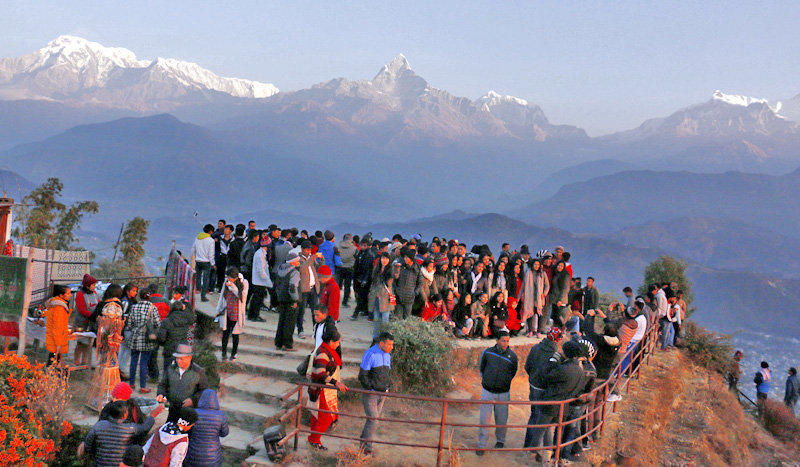
Domestic tourism has also played a crucial role in sustaining the industry. Government policies, including the introduction of a two-day weekend, have encouraged internal travel, boosting occupancy rates in hotels and increasing economic activity in key destinations. Popular sites like Nagarkot have benefited from initiatives such as “Nagarkot Visit Year 2082,” which promotes eco-friendly and high-end tourism experiences.
Regional Campaigns and Diversification
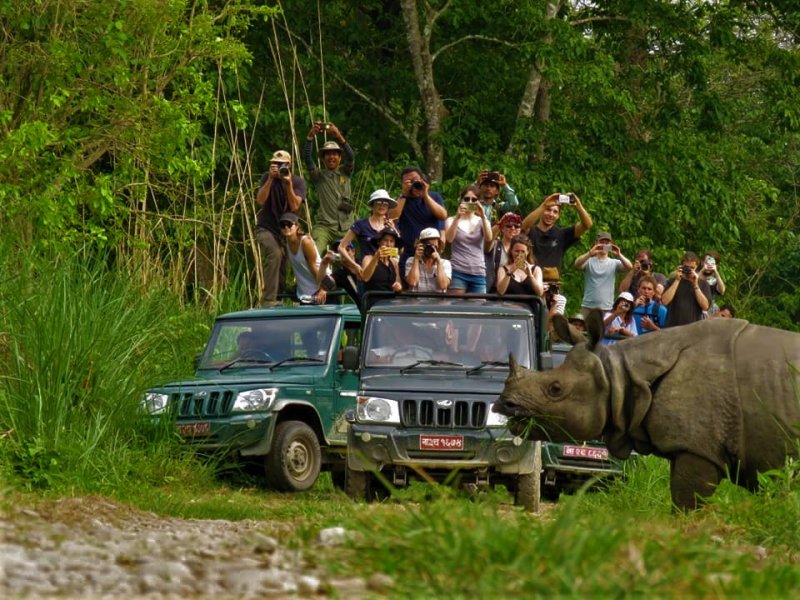
In line with federal restructuring, provinces across Nepal have launched localized tourism campaigns to diversify offerings and attract visitors. Koshi Province’s “Tourism Year 2082” is a notable example, with significant investment allocated to develop multiple destinations, including Koshi Tappu Wildlife Reserve.
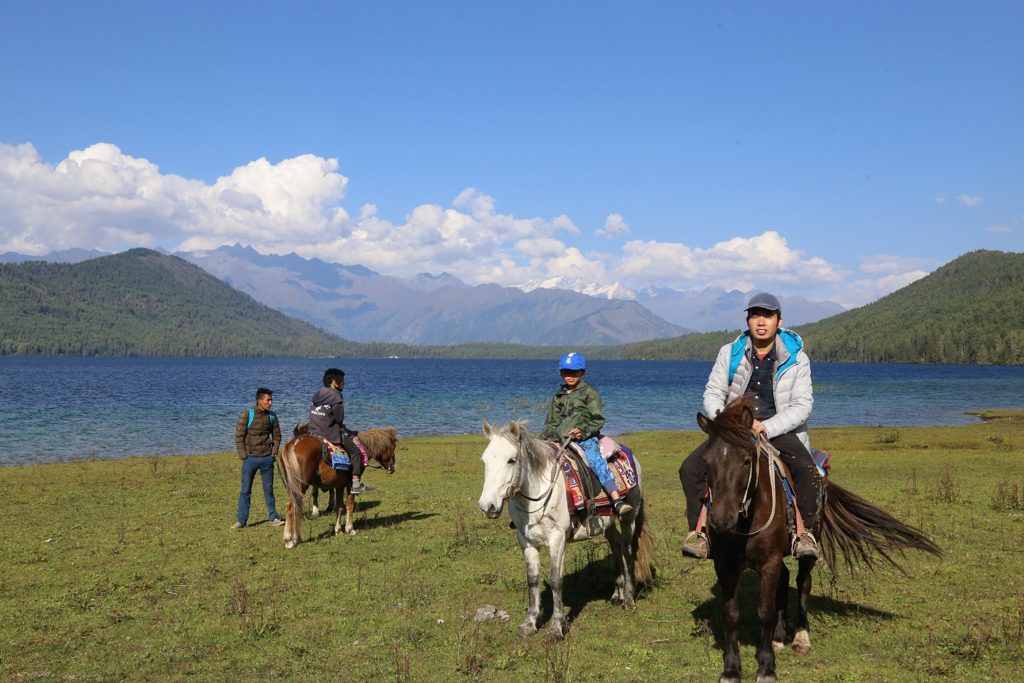
These regional efforts aim to reduce overdependence on traditional trekking routes and introduce new experiences in wildlife tourism, cultural tourism, and religious tourism. Homestay programs, community-based tourism, and eco-tourism initiatives are gaining popularity, offering authentic experiences while supporting local livelihoods.
Mountaineering Achievements and Global Recognition
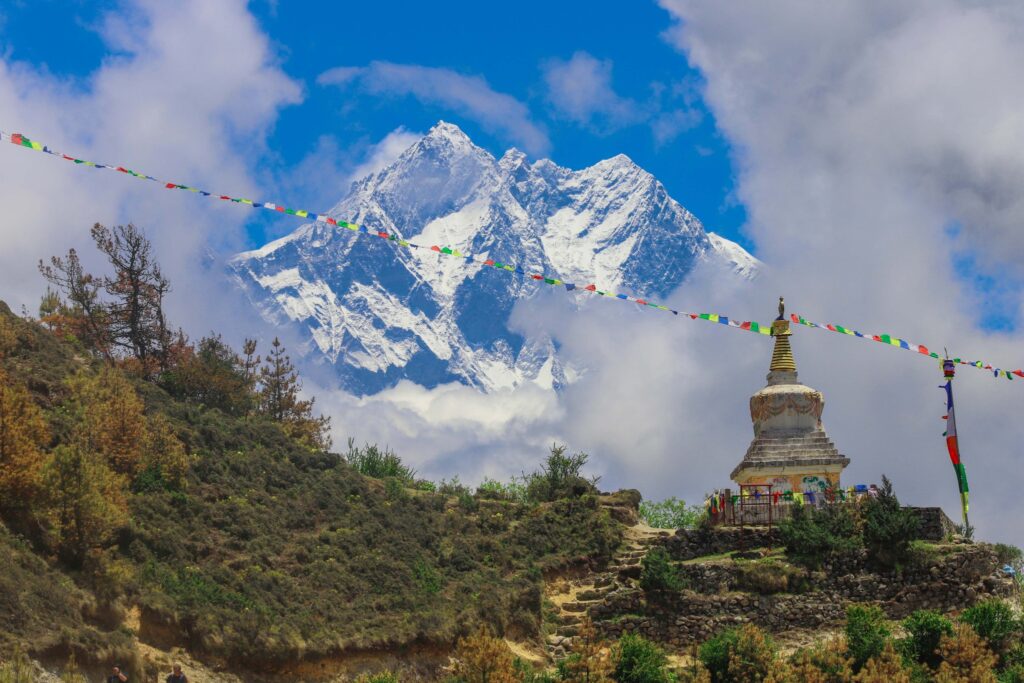
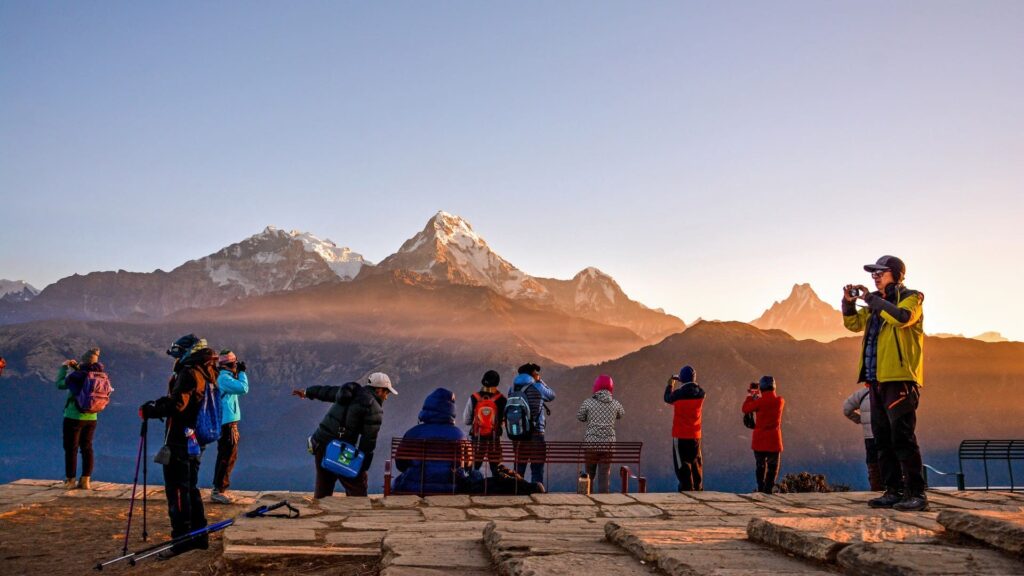
Nepal’s mountaineering sector continued to capture global attention in 2082 BS. Legendary climber Kami Rita Sherpa once again broke his own record by summiting Mount Everest for the 31st time, reinforcing Nepal’s reputation as the ultimate destination for high-altitude adventure.
The spring 2025 climbing season was one of the busiest on record, with hundreds of climbers from around the world attempting to scale Everest. Another remarkable achievement came from young climber Tashi Gyalzen Sherpa, who completed four Everest summits within just 15 days. These accomplishments not only brought international recognition but also highlighted the expertise and resilience of Nepali guides.
Sagarmatha Sambaad and Climate Leadership
Nepal also emerged as a global voice on climate change through the landmark Sagarmatha Sambaad, held in Kathmandu in May 2025. The conference brought together global leaders, scientists, and activists to discuss the impact of climate change on mountainous regions.
The event concluded with the “Sagarmatha Call for Action,” emphasizing the need to limit global warming, increase climate financing, and protect vulnerable ecosystems. For Nepal, this was an opportunity to highlight the challenges facing the Himalayas, including glacier melting and unpredictable weather patterns, which directly impact tourism.
Challenges and Setbacks
Despite these positive developments, 2082 BS was not without challenges. Natural disasters such as floods and landslides disrupted travel plans and damaged infrastructure in several regions. Political uncertainties, including the Gen Z movement and election activities, created instability during peak tourist seasons.
Additionally, geopolitical tensions in the Middle East affected flight operations and reduced tourist inflows from key markets. Travel advisories issued by several countries further compounded the problem, leading to cancellations and financial losses for businesses. Industry leaders, including tourism entrepreneurs and airline officials, expressed disappointment over the gap between expectations and actual performance.
Service Quality and Community Engagement
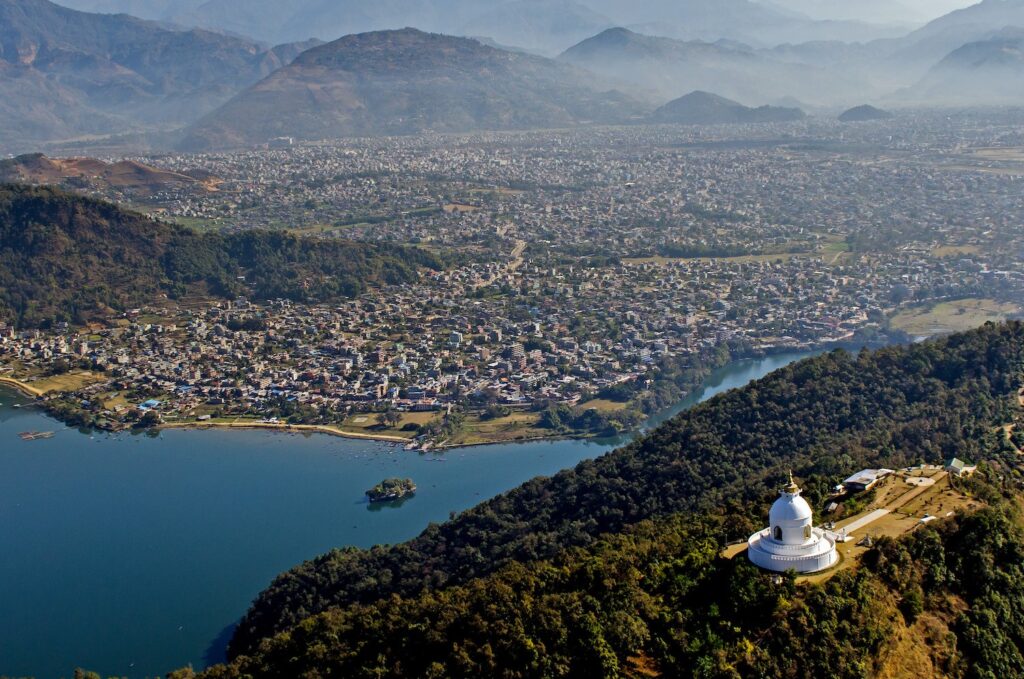
Recognizing the importance of service quality, stakeholders have increasingly focused on training local communities in hospitality, cultural preservation, and environmental conservation. This shift toward community-based tourism ensures that economic benefits are distributed more equitably while preserving local traditions and ecosystems.
Efforts to standardize services, improve safety measures, and enhance visitor satisfaction are also underway. These initiatives aim to rebuild trust and strengthen Nepal’s brand as a reliable and high-quality destination.
Political Transition and New Tourism Leadership
Amid broader political developments, Nepal also witnessed a change in leadership following the formation of a new government during 2082 BS. As part of the cabinet reshuffle, Khadak Raj Paudel was appointed as the new Minister for Culture, Tourism, and Civil Aviation.
His appointment is seen as a crucial step toward accelerating reforms in the tourism sector. Stakeholders are hopeful that under his leadership, there will be stronger policy execution, improved infrastructure development, and enhanced international promotion of Nepal as a premier travel destination.
The Way Forward: Building a Resilient Tourism Ecosystem
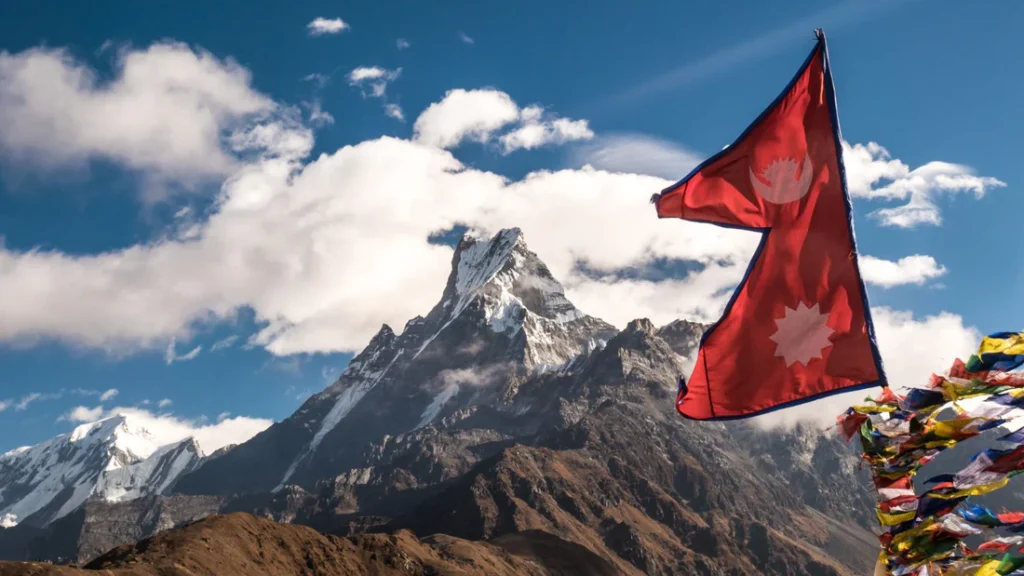
Tourism Policy 2082 represents a comprehensive roadmap for the future, emphasizing sustainability, diversification, and digital transformation. The policy seeks to align federal, provincial, and local efforts, ensuring coordinated development across the country. Looking ahead, Nepal’s tourism sector must focus on effective implementation of policies, improved connectivity, and consistent service quality. Strengthening digital ecosystems, combating misinformation, and promoting responsible tourism will be key to achieving long-term growth.
A Year of Transformation, Not Perfection
In conclusion, 2082 BS may not have delivered the expected surge in tourist numbers, but it has laid the foundation for a more resilient and sustainable tourism industry. The shift toward digitalization, regional development, and quality-focused tourism signals a new direction for Nepal. As the country continues to refine its strategies and overcome challenges, the lessons learned in 2082 BS will play a crucial role in shaping the future. With its unique blend of natural beauty, cultural heritage, and adventure opportunities, Nepal remains well-positioned to emerge as a leading global tourism destination in the years to come.