A hanging serac has obstructed icefall doctors from placing ladders along a dangerous section of the climbing route just below Camp III on Mount Everest, causing delays in route preparation for the ongoing spring climbing season. The unstable ice formation in the Khumbu Icefall has created serious safety concerns, preventing teams from completing the crucial path between Base Camp and Camp II.
Safety Risks Halt Work in Khumbu Icefall
According to Tshering Tenzing Sherpa, base camp manager at the Sagarmatha Pollution Control Committee (SPCC), the hazardous condition of the serac has made it unsafe for icefall doctors to proceed with ladder placement and route fixing.

He said the team has been closely monitoring the situation and recently inspected the site, where a small portion of the serac had already collapsed. “They went up to the site yesterday and noticed that a small section had collapsed,” Sherpa said, expressing hope that the remaining unstable ice mass may collapse naturally within a few days, allowing work to resume.
Route Opening Expected Once Conditions Stabilize
Sherpa noted that once the fragile conditions improve, it would take approximately two to three days to complete the route to Camp II. However, unpredictable weather patterns, including erratic snowfall and strong winds, have further complicated the situation this season. In previous years, the Khumbu Icefall route was typically opened by the first week of April. This year’s delay has raised concerns among climbers and expedition organizers.
Experienced Icefall Team Monitoring the Situation
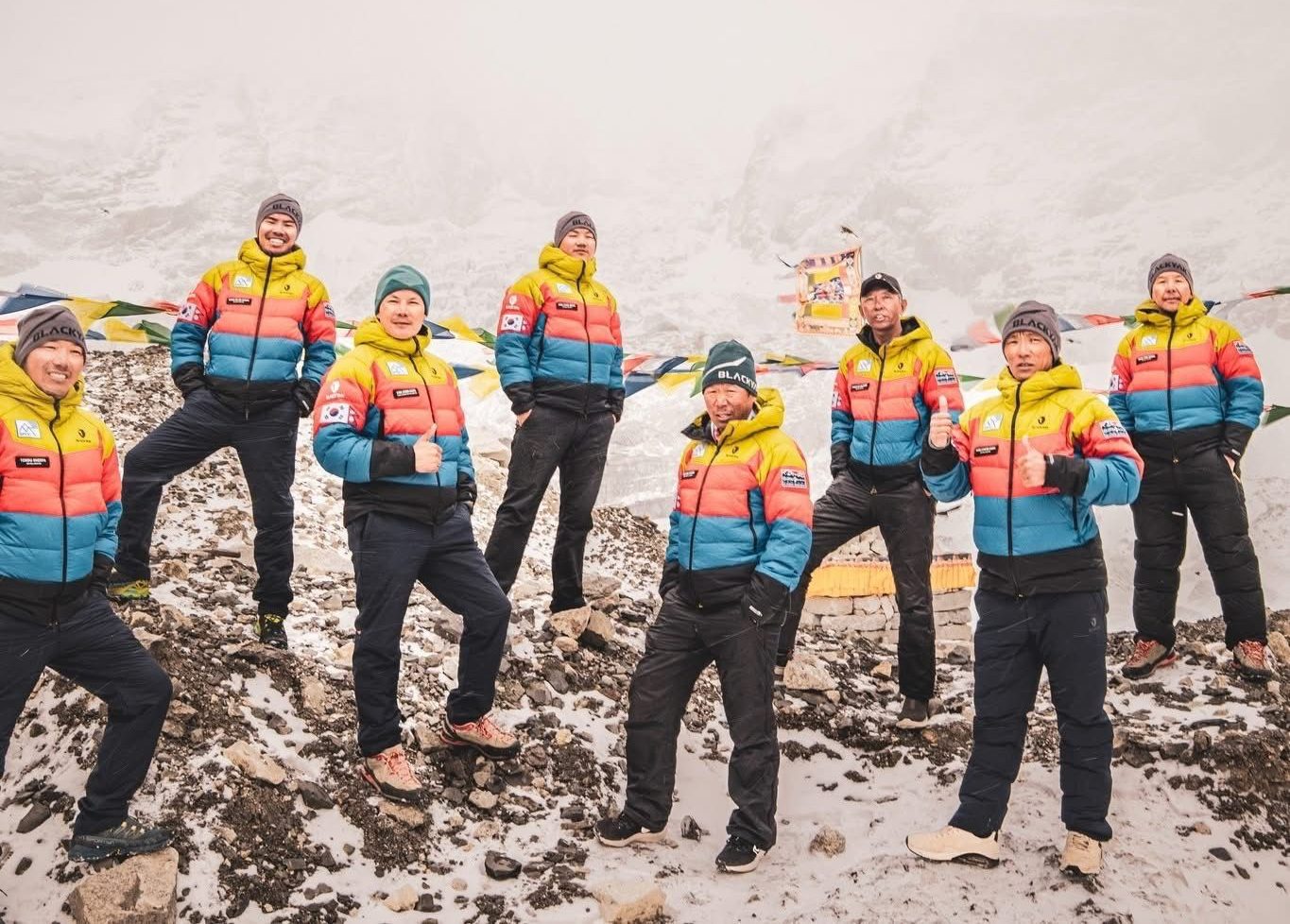
The Spring 2026 Icefall Doctors team is led by chief leader Ang Sarki Sherpa and team leader Dawa Jangbu Sherpa, operating under the supervision of Tshering Tenzing Sherpa. Other team members include Tendu Sherpa, Ngima Tenji Sherpa, Phura Chheten Sherpa, Dawa Chhirri Sherpa, Sonam Geljen Sherpa, and Mingma Gyaljen Sherpa. Sherpa emphasized that the team is highly experienced and trained to assess risks and take appropriate safety measures in such challenging situation.
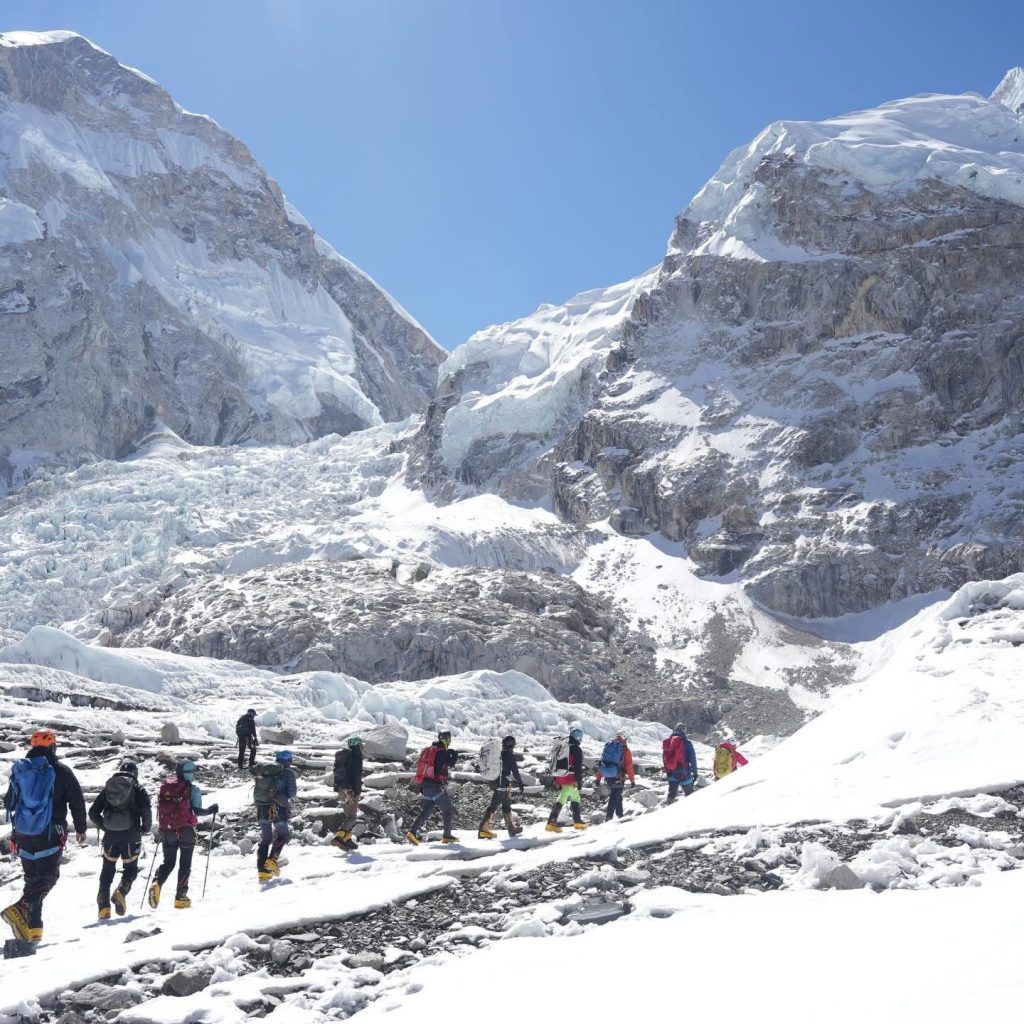
Critical Route for Everest, Lhotse and Nuptse Climbers
The affected section of the route is vital for climbers attempting Mount Everest as well as neighboring peaks like Mount Lhotse and Mount Nuptse. Climbers must traverse this section multiple times during acclimatization rotations, load carrying, and final summit pushes, making its safety and accessibility crucial for the entire expedition season.
Delays Raise Concerns Over Peak Season Congestion
Expedition operators have warned that delays in route fixing could lead to congestion during the peak climbing window. More than 350 foreign climbers, along with their support staff, have already arrived at Everest Base Camp to attempt the summit this spring. Acclimatization rotations above Base Camp can only begin once the route to Camp II is fully established.
Impact on Rope Fixing and Expedition Schedules
The delay is also affecting preparations for rope fixing above Camp II. A team from the Expedition Operators Association Nepal can only begin fixing ropes towards the summit of Everest and Lhotse after the lower route is secured.

Officials from the association warned that such delays could result in significant logistical and financial losses for expedition teams. They added that discussions are ongoing with the SPCC, the Nepal Mountaineering Association, and the Department of Tourism to address the situation and ensure a safe and timely progression of the climbing season.
Safety Remains Top Priority
Despite mounting pressure to open the route, SPCC officials reiterated that climber safety remains the top priority. Work will only resume once the serac stabilizes or collapses, reducing the risk to icefall doctors and climbers. With weather conditions and natural ice movements playing a critical role, all stakeholders are closely monitoring developments in the Khumbu Icefall as the spring Everest season progresses.