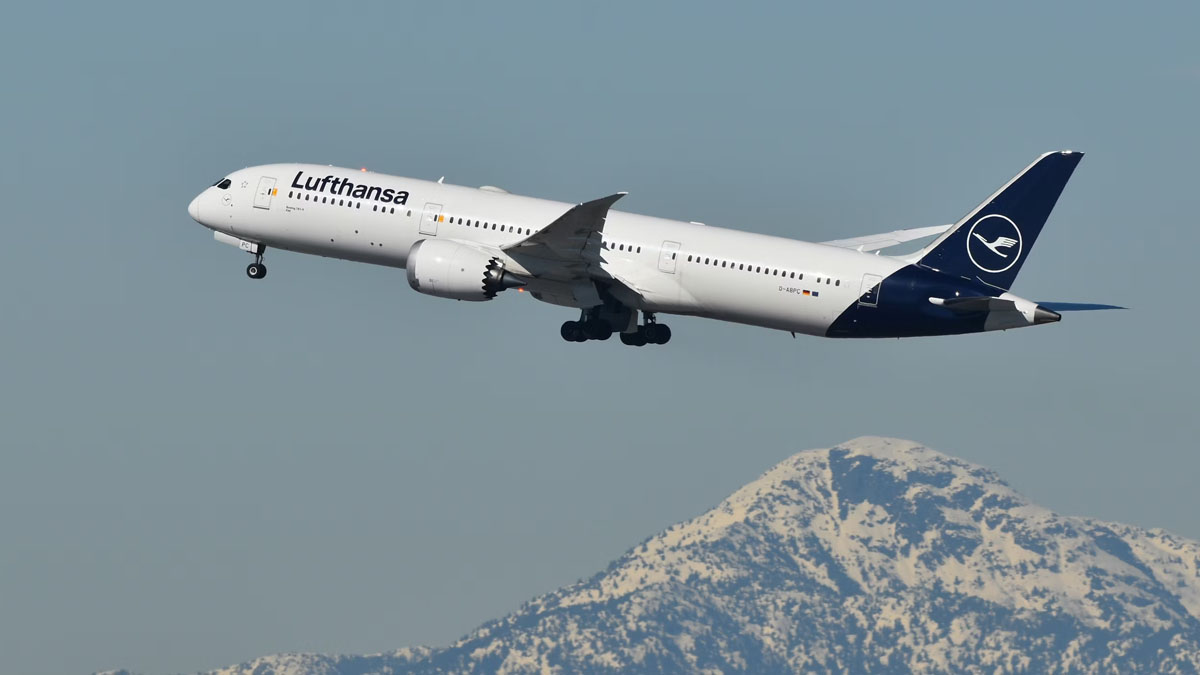
Germany’s national carrier Lufthansa has announced plans to cancel around 20,000 flights over the next six months due to rising aviation fuel prices and supply shortages triggered by the ongoing war situation involving Iran. The airline said the decision comes as global jet fuel availability tightens significantly, leading to increased operational costs and mounting pressure on airline networks worldwide.
Strait of Hormuz Closure Triggers Global Oil Shock
The crisis intensified after the United States and Israel launched attacks on February 28, prompting Iran to close the strategically vital Strait of Hormuz, a narrow sea passage through which nearly 25 percent of the world’s crude oil and around 20 percent of global natural gas shipments pass. The closure has sharply reduced global oil supply, pushing international fuel prices higher and directly impacting aviation fuel availability across continents.

Airlines Warn of Fuel Shortages and Operational Pressure
European airlines have already warned that restricted fuel supply from the Middle East could lead to serious disruptions in flight operations. Lufthansa’s decision marks one of the most significant proactive responses so far, as the airline seeks to stabilize operations amid growing uncertainty.
The carrier stated that by cutting 20,000 flights, it expects to save around 40,000 tonnes of fuel by the end of October. The company added that this measure will ensure sufficient fuel availability for remaining scheduled flights in the coming weeks.
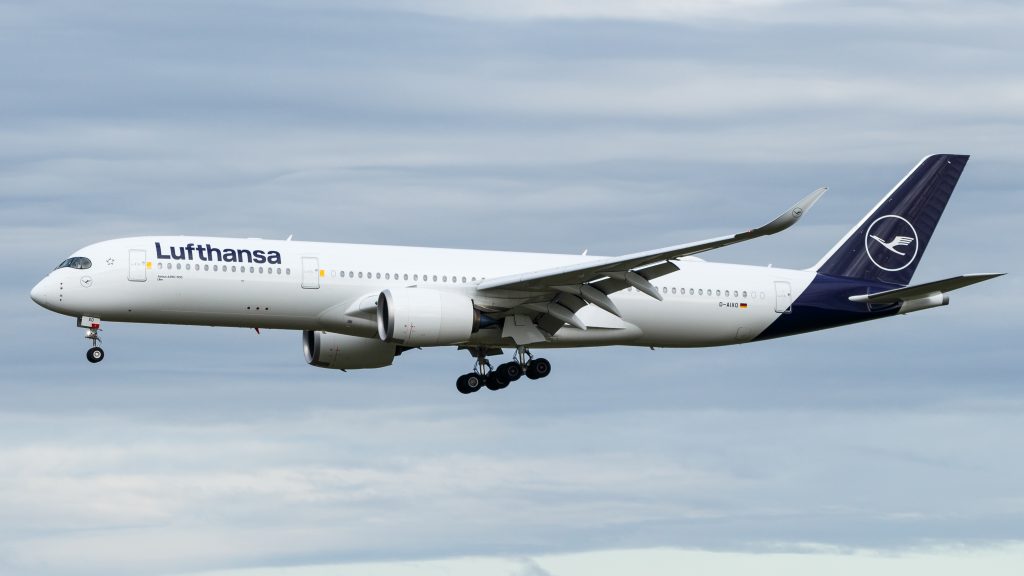
Ripple Effect Across Global Aviation Industry and Lufthansa Cuts Flights
Rising fuel costs have also forced other airlines to adjust operations. Reports suggest that Air France has already begun charging an additional €100 surcharge on long-haul flights to offset increased fuel expenses.
Industry analysts say the conflict-driven disruption is now affecting not only the Middle East but also Europe and Asia, where flight schedules are increasingly under pressure due to fuel instability and route adjustments.

Wider Impact on Global Travel and Trade
The ongoing Iran-related conflict has already disrupted multiple flight routes across the Middle East and Asia, with airlines rerouting or cancelling services to avoid affected airspace and manage rising costs. Experts warn that continued instability in the Strait of Hormuz could further escalate fuel prices and deepen disruptions in global aviation, shipping, and trade networks of Lufthansa.
While Lufthansa has assured that remaining operations will continue without fuel shortages in the near term, the airline industry remains cautious about long-term stability. Airlines across Europe are closely monitoring developments, as any prolonged closure of key oil transit routes could significantly reshape global travel dynamics in the months ahead.