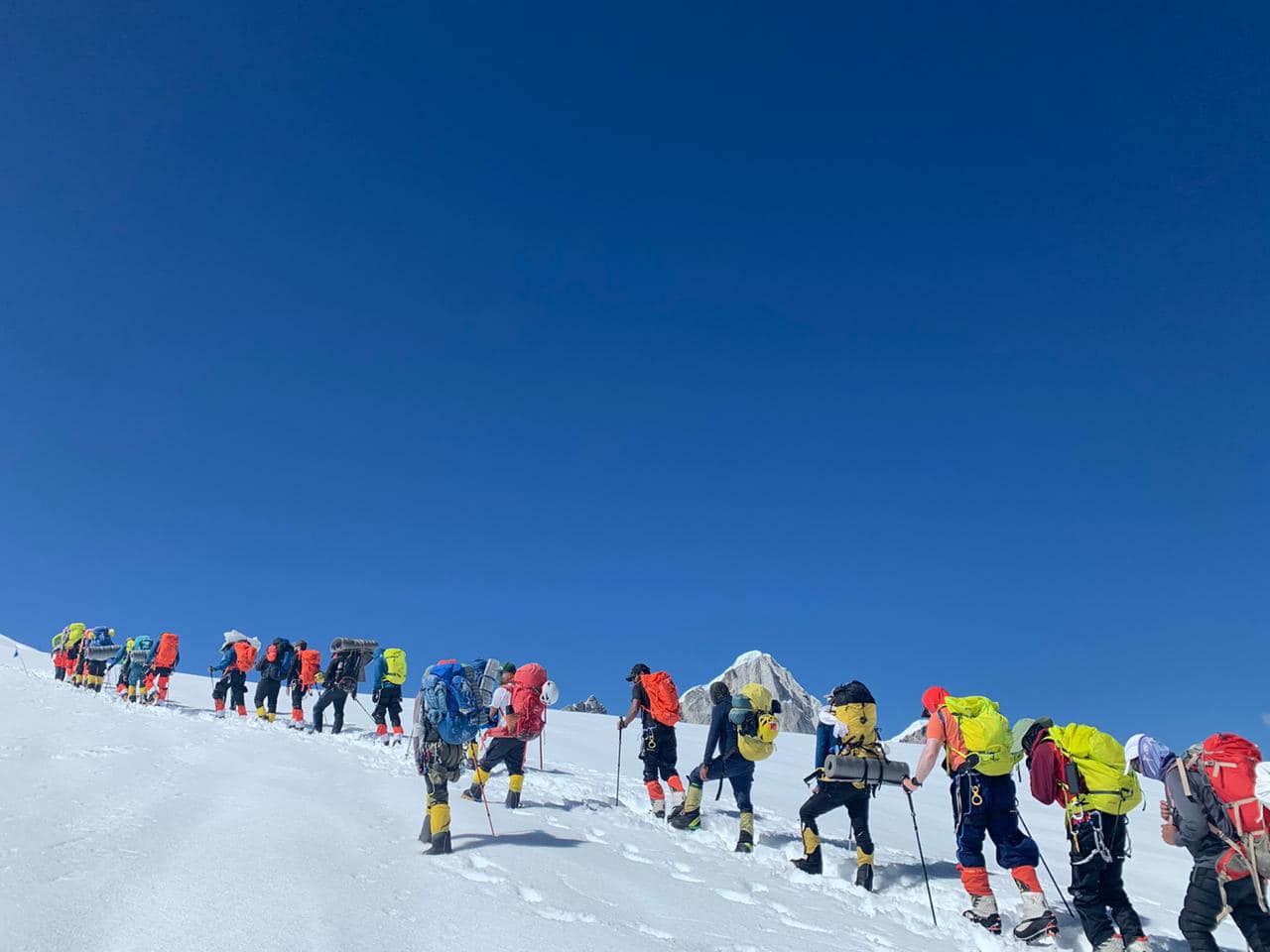
The Manaslu Conservation Area has recorded its highest-ever number of tourist arrivals, with nearly 15,000 visitors exploring the region in the Nepali year 2082, according to officials.
Data released by the Manaslu Conservation Area Project (MCAP) shows that a total of 14,899 tourists, both domestic and international, visited the Manaslu region over the past year. This marks a significant increase compared to 10,423 visitors recorded in 2081.

Strong Year-on-Year Growth
Information Officer Bhuwan Ojha stated that the region witnessed an increase of 4,476 tourists compared to the previous year. “Visitor numbers have increased consistently across most months in 2082 compared to 2081. This clearly indicates that tourism activity in the Manaslu region is improving steadily,” Ojha said. The upward trend reflects growing interest in Manaslu as a trekking and mountaineering destination, particularly among international travelers seeking less crowded alternatives to popular routes.
Peak Seasons Drive High Footfall
According to MCAP, the highest number of tourists visited the region during the months of Baishakh, Jestha, Ashwin, and Kartik, traditionally considered peak trekking seasons in Nepal. These months offer favorable weather conditions, clear mountain views, and safer trekking environments, making them the most preferred periods for visitors.
Off-Season Growth Notable
Interestingly, the data also shows a noticeable rise in tourist arrivals during off-season months such as Ashadh, Shrawan, and Magh. Officials described this trend as encouraging, indicating a gradual shift toward year-round tourism in the Manaslu region. The increase in off-season travel suggests that improved infrastructure, better information access, and changing travel preferences are contributing to sustained visitor interest beyond traditional trekking windows.
Slight Decline in Chaitra
Despite overall growth, MCAP noted a decline in tourist arrivals during the month of Chaitra. Officials attributed this drop to external global factors, particularly geopolitical tensions in parts of the world. According to MCAP’s assessment, ongoing conflicts and rising tensions in regions including the United States, Israel, Iran, and parts of the Arab world have had a broader impact on international travel patterns.
Global Factors Affecting Tourism
Officials believe that global instability and uncertainties continue to influence travel decisions, particularly for long-haul destinations like Nepal. However, the overall increase in annual tourist numbers suggests that the Manaslu region remains resilient and continues to attract visitors despite these challenges.
Growing Appeal of Manaslu Region
The Manaslu Conservation Area has steadily gained popularity among trekkers and adventure seekers due to its pristine landscapes, cultural richness, and relatively less crowded trails compared to more commercialized destinations like Mount Everest and the Annapurna region. The region offers a unique blend of natural beauty, traditional Himalayan culture, and challenging trekking routes, making it an attractive destination for both seasoned trekkers and new explorers.

Tourism stakeholders see the record-breaking visitor numbers as a positive sign for the future of the Manaslu region. Increased arrivals are expected to contribute to local economic development, create employment opportunities, and support conservation efforts.
Officials emphasize the need to balance tourism growth with environmental sustainability to preserve the region’s ecological integrity and cultural heritage. With continued promotion and improved accessibility, the Manaslu Conservation Area is poised to further strengthen its position as one of Nepal’s leading trekking destinations, attracting a growing number of tourists from around the world.