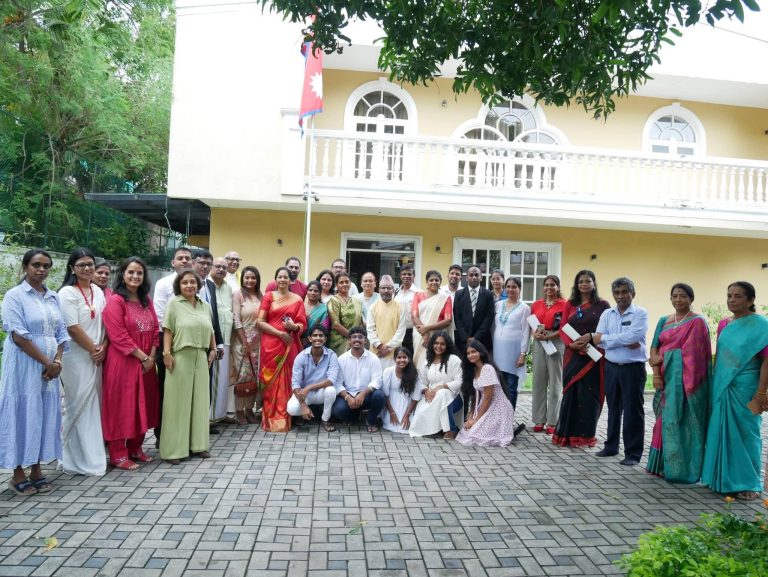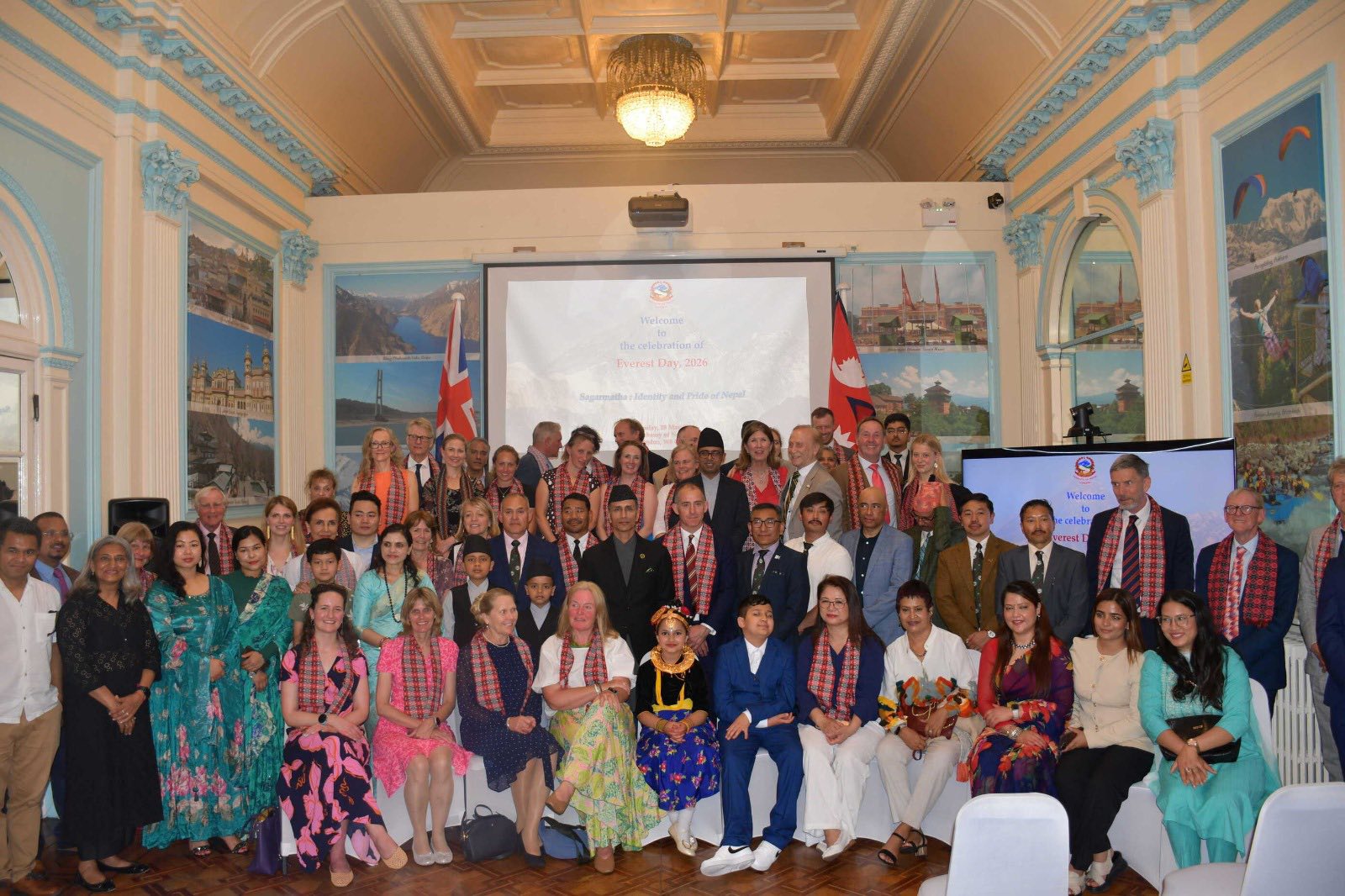
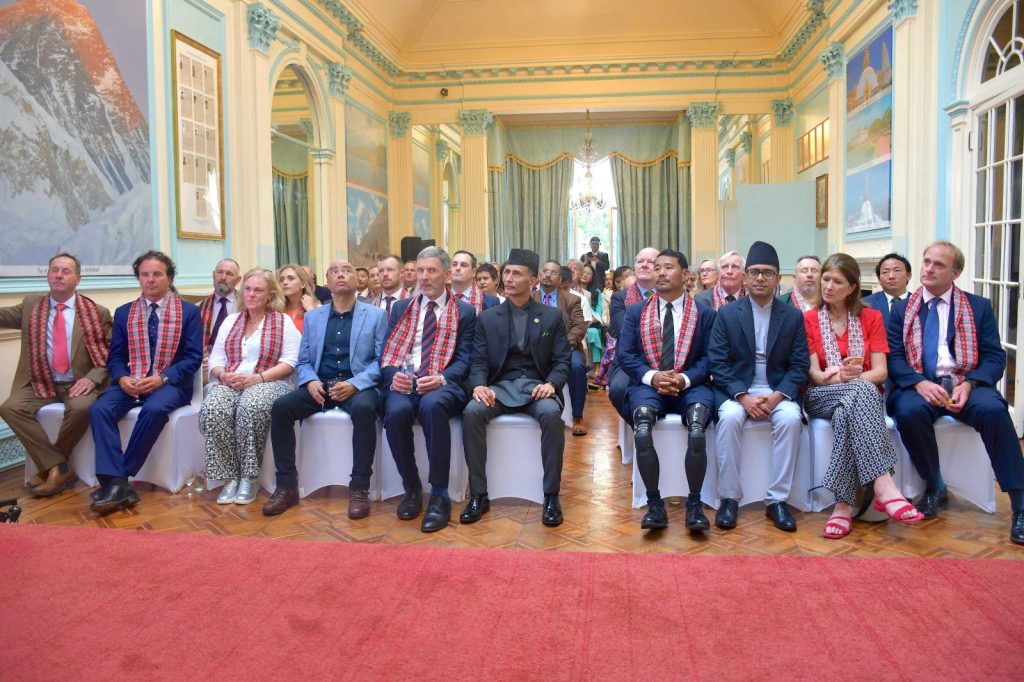
The Embassy of Nepal in London organized a special program on May 28, 2026, to celebrate Everest Day 2026 under the theme “Sagarmatha: Identity and Pride of Nepal.” Held at the embassy premises, the event brought together diplomats, Everest summiteers, researchers, explorers, journalists, and Nepal enthusiasts to honor the world’s highest peak and Nepal’s enduring mountaineering legacy.
The celebration highlighted Nepal’s deep cultural and historical connection with Mount Everest while also drawing attention to the growing environmental challenges facing the Himalayan region. More than 85 participants attended the program, including over 45 Everest summiteers, making it one of the most distinguished Everest Day gatherings organized by the Embassy in recent years.

Embassy Highlights Historic Nepal–UK Mountaineering Ties
Welcoming the participants, Chargé d’Affaires a.i. Bipin Duwadi emphasized the longstanding role played by British explorers, expeditioners, and mountaineers in introducing Nepal’s Himalayan beauty to the world and promoting Nepal as a global hub for adventure tourism. Recalling the historic relationship between Nepal and the United Kingdom, he highlighted how early British mountaineering expeditions significantly contributed to international recognition of Nepal’s mountains and helped establish the country’s reputation in global tourism.
He noted that Nepal’s Himalayas continue to serve not only as a source of national pride but also as an important pillar of the country’s sustainable tourism and soft power diplomacy. Encouraging participants to further promote Nepal and its mountain tourism internationally, Duwadi stressed the importance of preserving the natural and cultural heritage associated with the Himalayas.
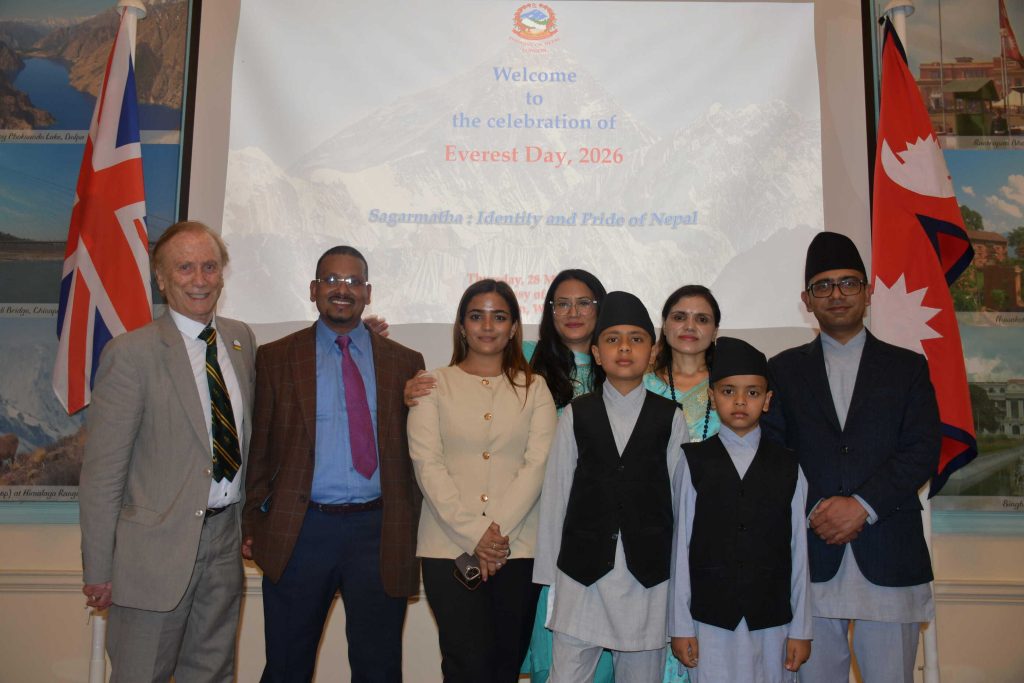
Climate Crisis in the Himalayas Discussed at Special Presentation
One of the major highlights of the event was a special presentation by BBC Global Environment Correspondent Nabin Singh Khadka, titled “Climate Crisis and the Himalayan Task.” During his presentation, Khadka shed light on the growing environmental threats facing the Himalayan region, including rapidly melting glaciers, rising temperatures, biodiversity loss, and the increasing vulnerability of mountain communities.
He stressed that the Himalayas are among the regions most severely affected by climate change and warned that the consequences extend far beyond Nepal, impacting water systems, ecosystems, and livelihoods across Asia. Highlighting the urgent need for global cooperation, Khadka called for stronger international commitments toward mountain sustainability, climate resilience, and environmental conservation. His presentation resonated strongly with the audience, particularly among mountaineers and researchers who have witnessed visible environmental changes in the Everest region over the years.
Everest Summiters Share Inspiring Stories
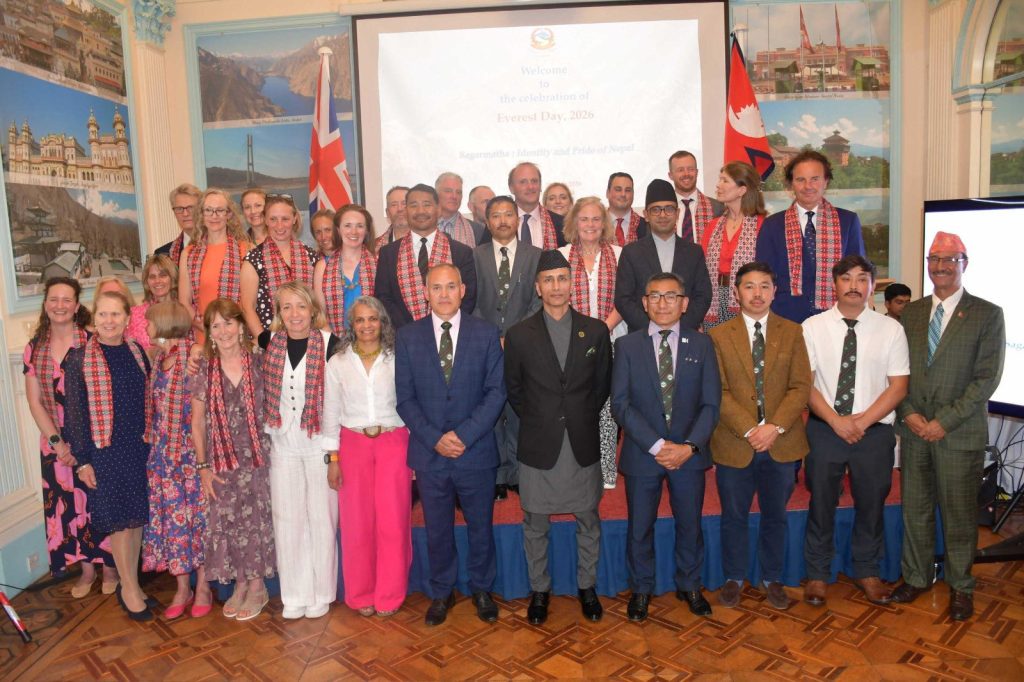
The program also featured a special storytelling session by Everest summiteers and experienced mountaineers, who shared personal accounts and reflections from their expeditions to the world’s highest peak. Speakers described the physical and mental challenges of climbing Everest, the importance of teamwork and resilience, and the unique emotional experience of standing atop Sagarmatha.
Several participants also highlighted the role of local Sherpa communities whose expertise, courage, and support remain essential to the success of Himalayan expeditions. The mountaineers further emphasized how mountain tourism promotes cultural exchange, strengthens people-to-people relations, and contributes significantly to local livelihoods in Nepal’s Himalayan regions. They noted that Everest continues to inspire adventurers from around the world while also serving as a powerful symbol of human determination and international cooperation.
Nepal Tourism and Tea Industry Showcased
As part of the celebration, the Embassy screened a promotional video prepared by the Nepal Tourism Board, showcasing Nepal’s breathtaking mountain landscapes, unique ecosystems, rich cultural heritage, and adventure tourism opportunities. The visual presentation highlighted not only Mount Everest but also Nepal’s diverse trekking destinations, natural beauty, and traditional mountain communities.
In addition, a short promotional film on Nepali tea was presented during the event. The video introduced participants to Nepal’s growing tea industry and emphasized the international potential of Nepali tea products in global markets. The inclusion of the tea promotion segment reflected broader efforts to showcase Nepal’s cultural and economic identity beyond mountaineering and tourism.

Diplomats, Researchers, and Everest Climbers Attend the Event
The event witnessed participation from diplomats, expedition leaders, researchers, explorers, media professionals, and supporters of Nepal from various sectors. The presence of more than 45 Everest summiteers added special significance to the gathering, creating a rare platform for interaction among individuals who have successfully climbed the world’s highest mountain. Participants praised the Embassy’s efforts in organizing a meaningful event that celebrated Nepal’s mountaineering legacy while also addressing pressing global issues such as climate change and environmental conservation.
Everest Day Reflects Nepal’s Global Identity
Everest Day is observed annually to commemorate the historic first ascent of Mount Everest by Sir Edmund Hillary and Tenzing Norgay Sherpa on May 29, 1953. This year’s celebration under the theme “Sagarmatha: Identity and Pride of Nepal” reinforced Nepal’s identity as the home of the Himalayas and highlighted the country’s role in global adventure tourism, cultural heritage, and environmental advocacy. The Embassy’s event in London successfully combined celebration, dialogue, and awareness, reminding participants that Mount Everest is not only a symbol of adventure but also a shared global responsibility requiring protection for future generations.