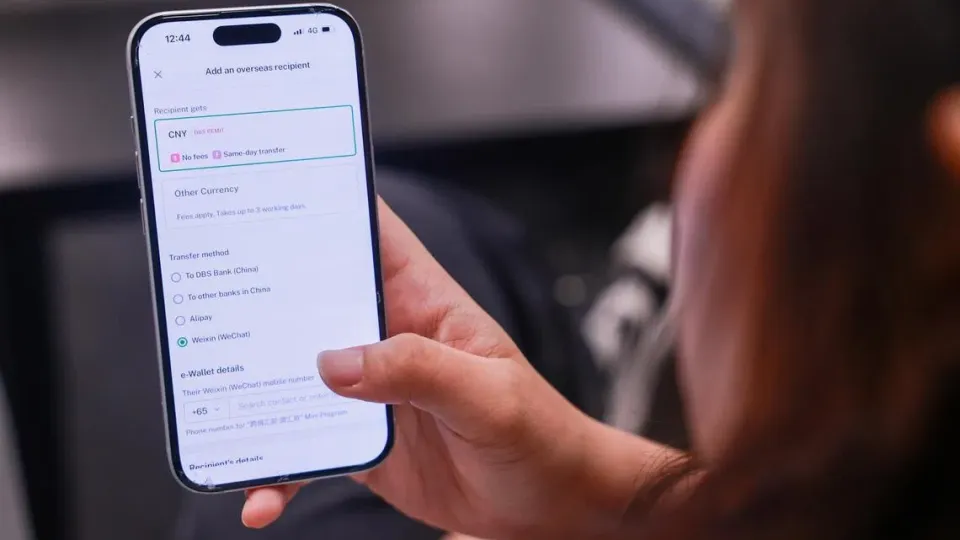
Major Singapore banks, including DBS Bank and Oversea-Chinese Banking Corporation (OCBC), have introduced direct integration with WeChat Pay, allowing customers to transfer money from their bank accounts directly into their e-wallets without using linked credit or debit cards that previously charged fees of around 3%.
Frequent travellers to China are set to benefit from smoother and cheaper digital payments as major Singapore banks expand direct integration with WeChat Pay, reducing reliance on linked cards that previously attracted additional fees. The development is already changing how travellers like Victoria Goh, an account manager who visits China about 10 times a year, manage daily expenses such as transport, shopping, and dining.
Frequent Traveller Fees Finally Reduced
Goh, 29, regularly uses the popular Chinese e-wallet WeChat Pay for everyday transactions. However, she has often faced a 3 per cent fee on purchases exceeding 200 yuan (about S$38) when using a Singapore-issued debit card linked to the platform. These charges, previously unavoidable for many foreign users, are now being eliminated as banks roll out direct remittance options into Chinese e-wallets.
DBS Allows Direct Wallet Top-Ups Without Extra Charges
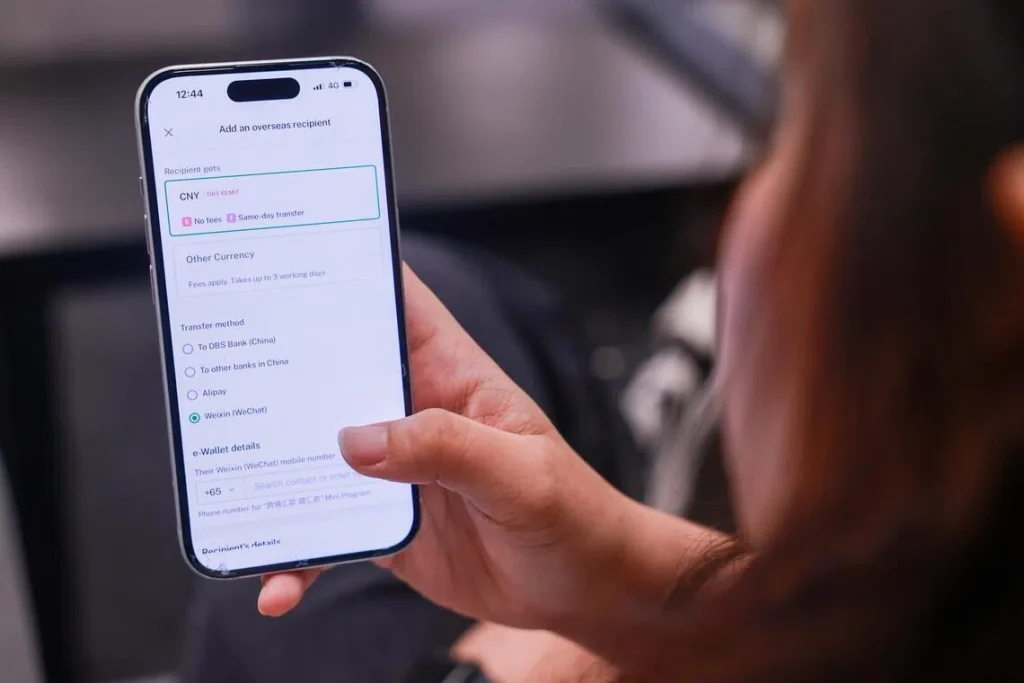
In a major shift, DBS Bank now enables customers to remit funds directly from their bank accounts into WeChat Pay wallets. This means users can pay Chinese merchants via QR codes without incurring additional platform or card-linked fees. The move is part of a broader partnership with TenPay Global, the operator of WeChat Pay, which is expanding access to foreign passport holders visiting or residing in China.

WeChat Pay Expands Global Access
The update follows a wider initiative by TenPay Global, the payments arm of WeChat Pay, to simplify cross-border transactions.
Traditionally, foreign users could only use WeChat Pay by linking international credit or debit cards or relying on transfers from Chinese bank accounts. Direct bank remittance was not previously allowed for most foreign users. The new system now allows seamless top-ups from participating foreign banks, significantly reducing transaction costs.
OCBC Expands QR Payment Integration in China
Another key player, Oversea-Chinese Banking Corporation, has also strengthened its China payment ecosystem. Since February, OCBC customers have been able to scan WeChat Pay merchant QR codes directly through its mobile app, eliminating the need for third-party applications. The bank had earlier introduced similar functionality for Alipay and UnionPay QR payments.
OCBC says usage of its Scan & Pay feature in China has grown steadily, with one in five overseas transactions last year occurring in the country. By end-June, OCBC also plans to extend direct transfer capabilities to non-Chinese passport holders using WeChat Pay.
Travellers Welcome: Simpler, Cheaper Payments
For frequent visitors, the new systems remove one of the most frustrating aspects of travelling in China: hidden transaction costs. Financial adviser Ryan Lok, 27, who travels to China for business, said he previously relied on friends with Chinese bank accounts to avoid extra charges.
“If the bill is $200, paying an extra 3 per cent is not so bad. But if the bill is $1,000, paying an extra $30 is a lot,” he said. He plans to use the new bank-linked features during upcoming trips if exchange rates remain favourable.
Backup Payment Options Still Important
Despite digital advances, travellers say flexibility remains essential. Media professional Carol Ang, 48, said she still keeps alternative payment options available due to occasional transaction failures, especially at small vendors. “Every trip, I would encounter at least one instance where my payment does not go through,” she said, adding that cash remains a backup.
Strong Push Toward Cashless Cross-Border Ecosystem
TenPay Global says it is working with more than 60 banks and financial institutions worldwide to expand cross-border payment access. A spokesperson said the company is aiming for “ubiquitous connectivity across the global financial ecosystem,” signalling continued expansion of interoperable payment systems. The trend reflects China’s dominant QR-based payment ecosystem, where cashless transactions through WeChat Pay and Alipay remain the standard across most retail and service sectors.

Growing Adoption Among Singapore Users
OCBC officials say China has become one of the top destinations for users of its Scan & Pay feature, reflecting strong demand among travellers and overseas workers. Young users, in particular, are embracing the simplified experience.
“I don’t want to use so many apps. I can just stick to the OCBC app,” said final-year undergraduate Teng Xin Yi, 24, who visits China annually to see her family. She also noted that exchange rates offered by the bank remain competitive.
Toward Seamless Global Payments
With DBS and OCBC expanding direct integrations into WeChat Pay, and similar moves across global banking networks, cross-border payments are becoming increasingly frictionless.
For frequent travellers, the shift marks a broader transformation: from card-based payments with hidden fees to fully integrated, app-based financial ecosystems designed for real-time international use.