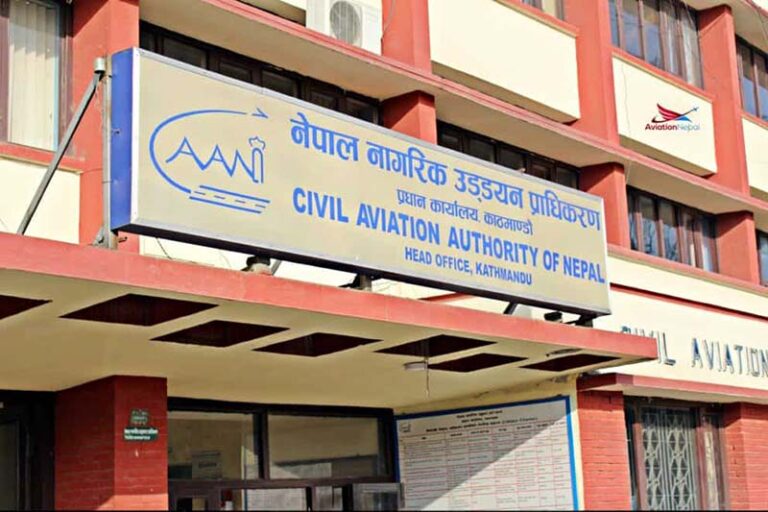
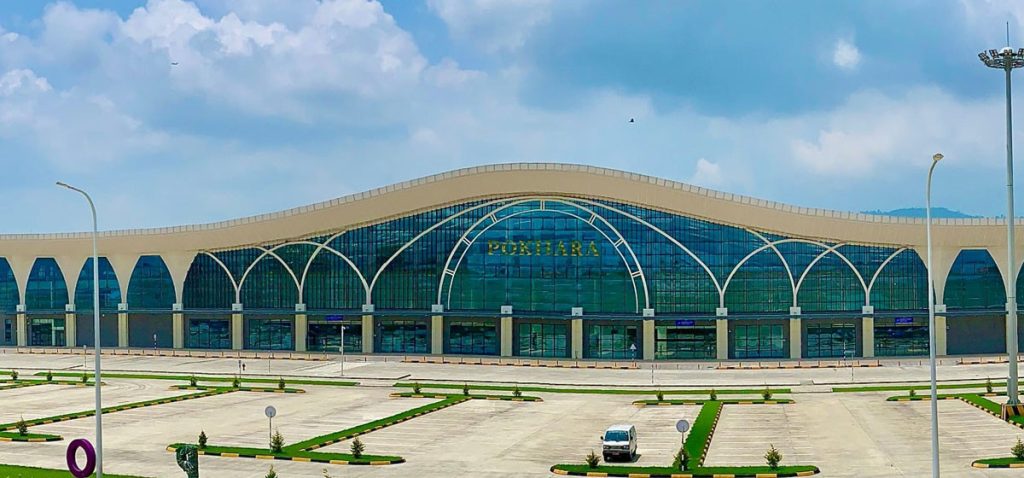
Civil Aviation Authority of Nepal (CAAN) Director General Mukesh Dangol has stated that the long-term and sustainable operation of Nepal’s two newly built international airports, Pokhara International Airport and Gautam Buddha International Airport, will remain difficult unless domestic airlines significantly increase the number of aircraft operating international flights.
Speaking before a parliamentary committee, CAAN’s Director General Mukesh Dangol said that although Nepal has made major investments in aviation infrastructure over the past several years, the country currently lacks sufficient airline capacity to fully utilize the new airports, raising concerns over the long-term economic sustainability of the projects.
Limited Aircraft Fleet Hindering Full Operation of New International Airports
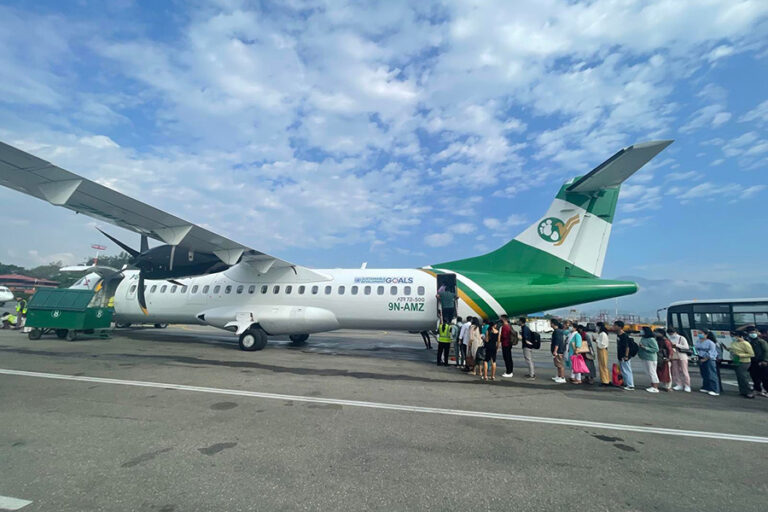
According to CAAN’s Director General Mukesh Dangol, Nepal currently has only eight aircraft dedicated to international flights operated collectively by national and private airlines, a number he described as inadequate to support regular and sustainable operations at both newly constructed international airports.

He warned that despite the country’s significant investment in expanding aviation infrastructure, limited aircraft capacity among domestic carriers has created a major operational gap that is preventing the country from maximizing the economic potential of these strategic aviation projects.
The CAAN chief stressed that building modern airport infrastructure alone is not enough, stating that airline expansion and infrastructure development must move forward together to create a sustainable aviation ecosystem capable of supporting long-term international operations.
Government Urged to Reduce Dependence on Foreign Airlines
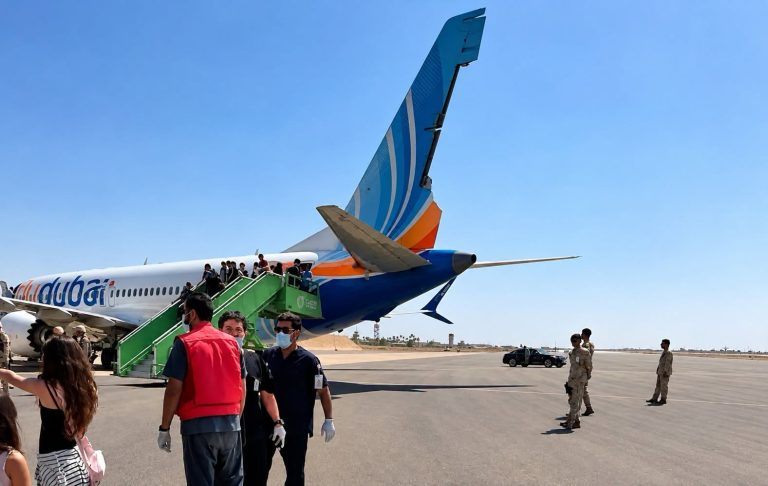
During the parliamentary discussion, Dangol urged the government to gradually reduce Nepal’s dependence on foreign airlines operating international routes and instead focus on creating favorable conditions that allow Nepali airlines to expand their international operations.
He said strengthening local airline operators should become a national aviation priority, as relying heavily on foreign carriers limits the country’s ability to fully benefit from its own aviation infrastructure investments and reduces opportunities for long-term growth within Nepal’s domestic aviation industry.
Aviation experts have long argued that expanding the international presence of Nepali carriers remains essential if the country wants to transform itself into a stronger regional aviation and tourism hub.
CAAN Recommends Tax Relief and Incentives for Aircraft Expansion
To address the issue, CAAN’s Director General Mukesh Dangol proposed that the government introduce special financial incentive packages aimed at helping domestic airlines expand their fleets.
Among the key recommendations, he called for relief from high aircraft lease taxes and removal or reduction of the existing 13 percent Value Added Tax (VAT) imposed on aircraft procurement, arguing that these financial obligations have become major barriers discouraging Nepali airlines from purchasing or leasing additional aircraft.
Dangol said the current tax structure has made fleet expansion economically difficult for domestic carriers, limiting their ability to compete internationally and slowing overall aviation sector growth.

Aviation Growth Requires Coordinated Government Action
The CAAN Director General emphasized that the aviation authority alone cannot solve the country’s structural aviation challenges without broader government intervention and policy reform.
He said Nepal’s aviation sector requires urgent coordination among multiple government agencies to create policies that encourage private sector investment, strengthen domestic airlines, and improve the overall competitiveness of the national aviation industry.
According to Dangol, airport infrastructure development and airline industry growth must progress simultaneously if Nepal hopes to ensure the economic success of both Pokhara and Gautam Buddha International Airports in the coming years.

Stronger Aviation Sector Critical for Tourism and Economic Growth
Industry observers believe Nepal’s international aviation sector plays a critical role in supporting the country’s tourism industry, foreign investment, international trade, and broader economic development.
Experts say improving the operational capacity of Nepali airlines will not only help maximize the use of newly built international airports but also strengthen Nepal’s position as an emerging regional aviation gateway for South Asia.
The discussion has once again highlighted the growing challenge facing Nepal’s aviation sector, balancing large-scale infrastructure investment with the need for stronger domestic airline capacity and more supportive long-term aviation policies.