The World Travel & Tourism Council (WTTC) has officially launched a global initiative to identify the 7 Contemporary Wonders of the World, inviting people from across the globe to nominate modern landmarks and buildings that have significantly transformed tourism, local communities, and economies since 1801.
The campaign, announced on 7 July 2026, seeks to celebrate iconic and emerging attractions that have redefined travel experiences while contributing to economic development, job creation, and destination branding. Unlike the traditional Seven Wonders, this initiative focuses on modern achievements that continue to shape the future of global tourism.
Public Invited to Nominate Modern Tourism Icons
For the first time, the global public will play a central role in selecting the world’s most influential contemporary landmarks. Individuals worldwide can submit nominations for destinations they believe have made a remarkable contribution to tourism and society.

WTTC stated that the initiative aims to establish a new international benchmark for contemporary wonders by recognizing places that combine architectural excellence with measurable economic and social impact. Rather than focusing solely on historical significance, the campaign emphasizes destinations that have revitalized local economies, attracted investment, supported businesses, created employment opportunities, and strengthened community development.
Celebrating Landmarks that Changed the Global Tourism Landscape
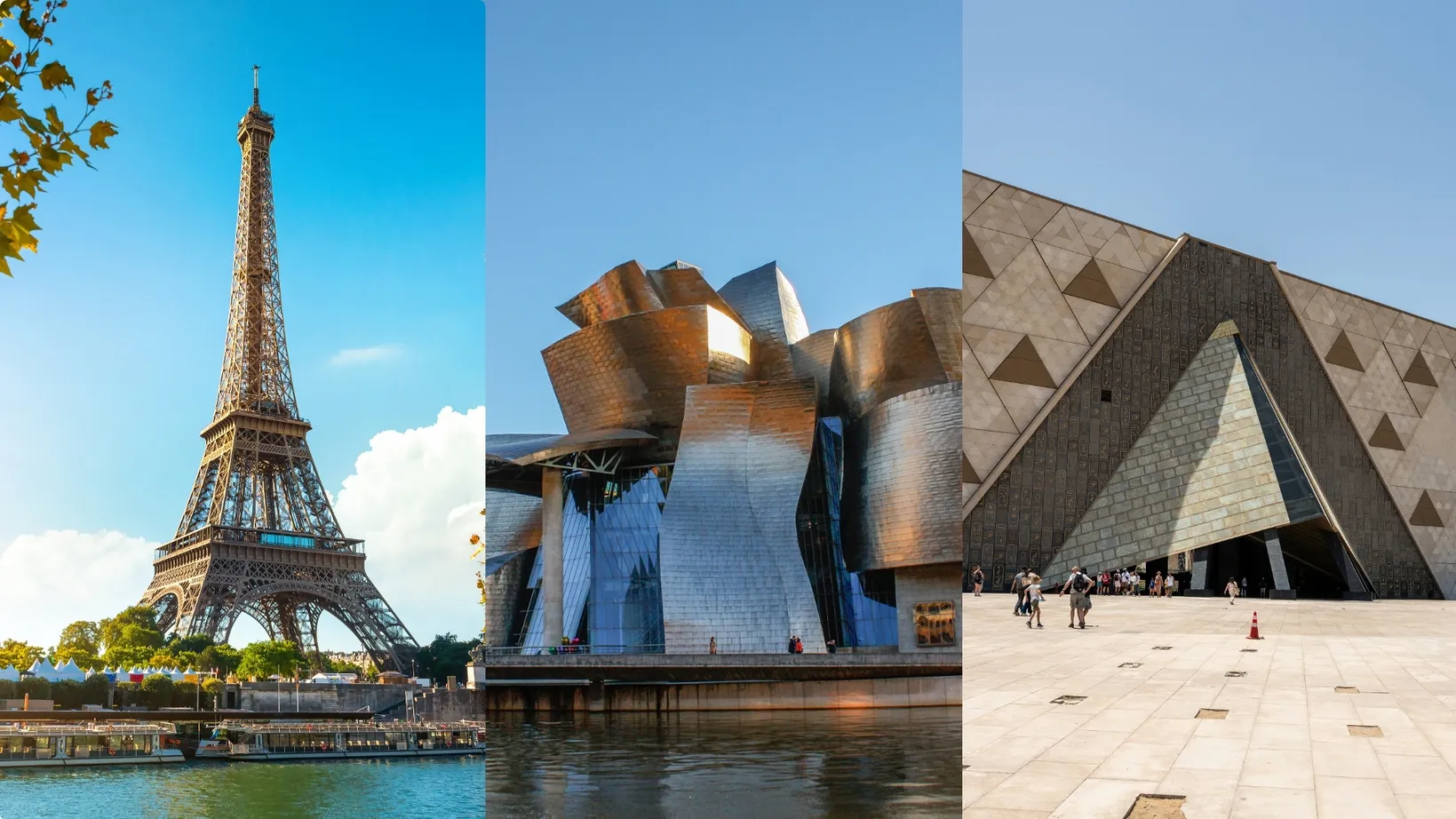
Among the examples highlighted by WTTC are internationally renowned attractions such as the Eiffel Tower in Paris, the Guggenheim Museum in Bilbao, and the Grand Egyptian Museum in Giza. According to the council, these landmarks represent more than architectural achievements.
They demonstrate how visionary planning, strategic investment, and long-term collaboration can transform entire cities and nations into globally recognized tourism destinations. WTTC noted that such attractions have not only attracted millions of visitors but have also generated significant investment, created thousands of jobs, and elevated the international profile of their respective destinations.
Tourism Infrastructure Recognized as a Driver of Economic Growth
Launching the campaign at a time when governments worldwide are searching for new engines of economic growth and resilience, WTTC stressed that tourism infrastructure should be viewed as a strategic investment rather than simply a cultural asset.
The organization believes iconic attractions deliver long-term economic and social benefits through increased visitor spending, improved infrastructure, stronger local businesses, and enhanced destination competitiveness. The campaign also aims to showcase how effective collaboration between governments and the private sector can create world-class tourism assets capable of generating sustainable economic growth for future generations.
Selection Based on Tourism Impact and Community Value
The selection process will recognize both globally famous landmarks and lesser-known emerging attractions that have made a meaningful contribution to their communities.
WTTC explained that nominees will be evaluated using multiple criteria, including:
- Contribution to Travel & Tourism
- Economic impact
- Community value
- Destination development
- Cultural significance
- Architectural excellence
This broader evaluation framework seeks to ensure that the selected wonders represent not only remarkable design but also measurable benefits for local economies and societies.
Four-Stage Selection Process
The year-long campaign will unfold through four key stages:
- 7 July 2026: Global nominations officially open.
- 7 January 2027: Announcement of 70 nominated landmarks, followed by public voting.
- 7 April 2027: The list will be narrowed to 30 finalists.
- 7 July 2027: The final 7 Contemporary Wonders of the World will be revealed.
WTTC: Every Generation Creates New Wonders
WTTC President and CEO Gloria Guevara said humanity continues to create extraordinary places that deserve global recognition.
She emphasized that today’s most influential tourism landmarks extend far beyond attracting visitors, serving as engines of employment, investment, local business growth, stronger communities, and enhanced international visibility for destinations.
According to Guevara, the initiative seeks to demonstrate how visionary investment in tourism infrastructure and cultural assets can deliver lasting economic and social value while inspiring future generations of travelers.

Inspiring Future Tourism Investment
By highlighting both established global icons and emerging attractions, WTTC hopes the initiative will encourage governments, investors, and tourism stakeholders to continue investing in destinations capable of delivering long-term benefits.
The organization believes the campaign will showcase tourism’s ability to diversify economies, spread prosperity across communities, strengthen regional development, and shape how future generations experience the world.
WTTC has opened the public nomination process globally, allowing individuals worldwide to participate in selecting the landmarks that will define the modern era of travel.