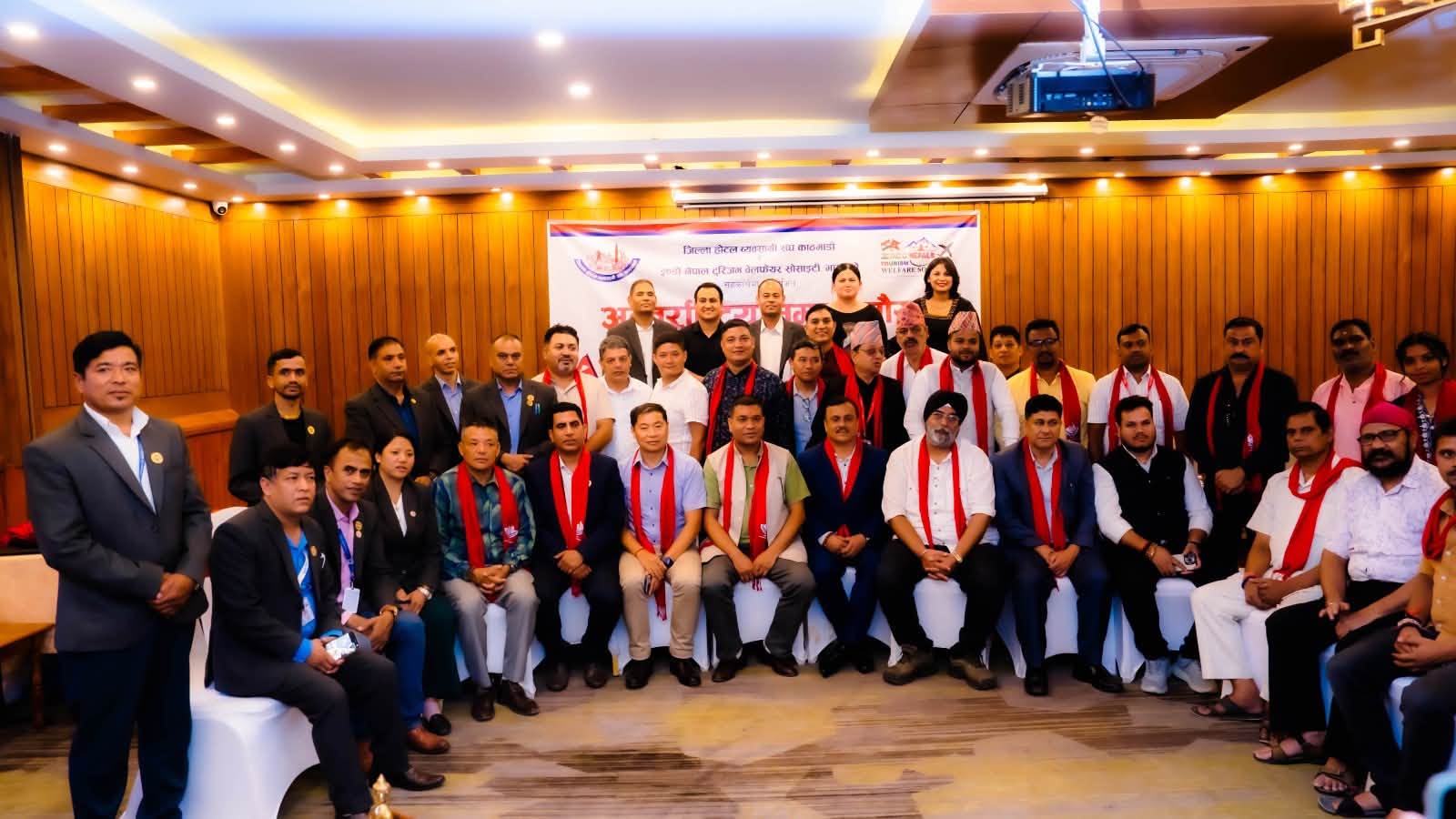
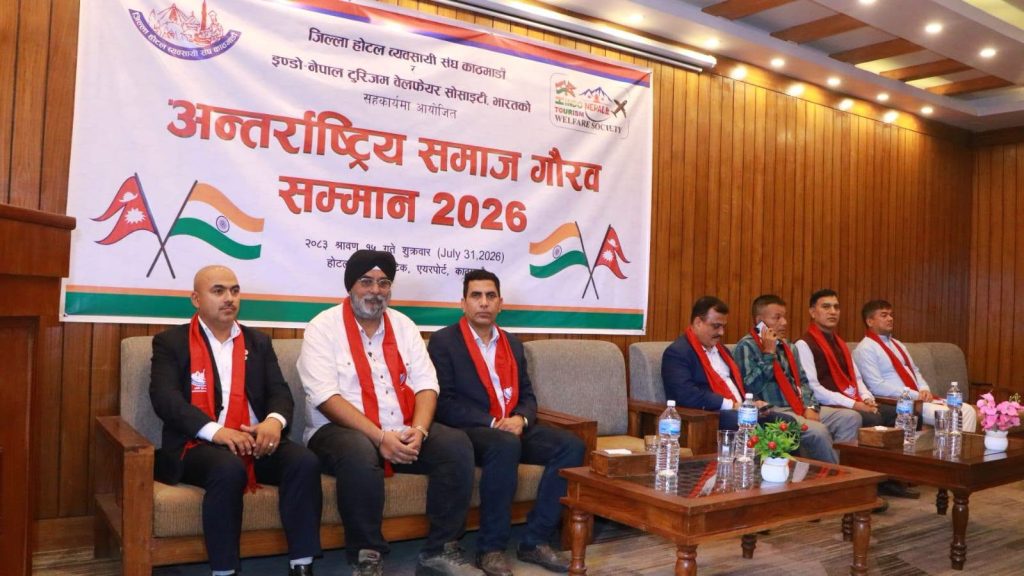
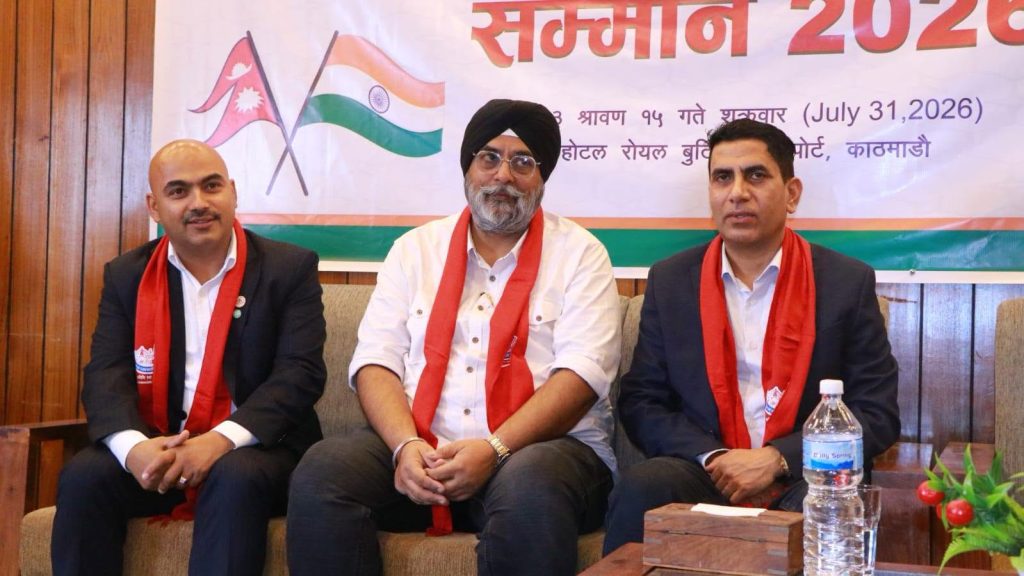
Seventeen Indian journalists were honored in Kathmandu for their outstanding contribution to promoting Nepal’s tourism industry. The recognition program was organized by the District Hotel Business Association Kathmandu (DHBA) in collaboration with the Indo-Nepal Tourism Welfare Society, India. The event brought together government officials, tourism experts, hospitality representatives, and media professionals to discuss the growing importance of media in strengthening tourism ties between Nepal and India.
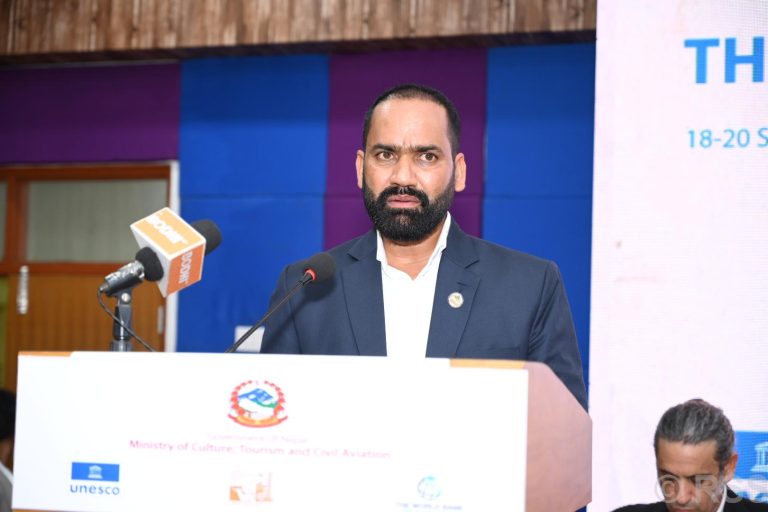
During the ceremony, Bagmati Province Minister for Industry, Tourism, Labour, and Transport Suresh Shrestha presented awards to the journalists and emphasized that the media plays a vital role in promoting tourism and fostering stronger cultural and people-to-people relations between the two neighboring countries.

Journalists Recognized for Promoting Nepal Tourism
The 17 Indian journalists were honored for their continued efforts in showcasing Nepal’s tourism destinations through news reports, travel stories, documentaries, and digital media content. According to the organizers, their work has helped increase awareness of Nepal’s religious, cultural, historical, and adventure tourism attractions among Indian audiences. The organizers noted that media coverage has become an effective tool for encouraging cross-border travel and strengthening tourism cooperation between Nepal and India.
Minister Highlights Tourism Cooperation
Addressing the gathering, Minister Suresh Shrestha said Nepal and India share deep historical, cultural, and religious ties that provide enormous opportunities for tourism development. He stated that although religious tourism has significant potential, it has yet to be fully utilized.
He added that Nepal’s shared language, traditions, culture, and close social connections with India make the country an attractive destination for Indian travelers. The minister stressed that tourism can serve as a bridge to enhance friendship, goodwill, and mutual understanding between the two nations.
Religious Tourism Offers Huge Potential
Speakers at the event highlighted the vast opportunities for expanding religious tourism between Nepal and India. Nepal is home to internationally renowned pilgrimage sites such as Pashupatinath Temple, Lumbini, Janakpur, Muktinath, and Manakamana Temple, while India attracts thousands of Nepali pilgrims every year to destinations including Ayodhya, Varanasi, and Bodh Gaya. Participants emphasized the need for joint tourism promotion, better connectivity, and integrated pilgrimage packages to attract more visitors from both countries.
Nepal Tourism Board Calls for Infrastructure Development
Officiating Chief Executive Officer of the Nepal Tourism Board, Hikmat Singh Ayer, described tourism as one of the major drivers of Nepal’s economy. He said that the federal, provincial, and local governments should work together to expand tourism infrastructure, improve visitor services, and promote both established and emerging tourist destinations. According to him, continued investment in tourism will play a crucial role in supporting Nepal’s long-term economic development.
Greater Focus Needed on Tourism Journalism
President of the District Hotel Business Association Kathmandu (DHBA), Suresh Baral, said journalism in Nepal often focuses primarily on political issues, while tourism and economic development receive comparatively less attention. He encouraged media organizations to give greater priority to tourism-related reporting, noting that factual and positive coverage can significantly influence travelers’ decisions and improve Nepal’s international image.
Indian Journalists Praised for Their Contribution
President of the Indo-Nepal Tourism Welfare Society, Jatinder Pal Singh, praised the honored journalists for presenting Nepal’s tourism destinations to audiences across India and beyond. He said responsible journalism helps build confidence among travelers, promotes authentic information about destinations, and contributes to sustainable tourism growth. He also acknowledged that journalists play a key role in connecting people through accurate and engaging storytelling.
Prominent Figures Attend the Ceremony
The event was attended by several prominent figures from Nepal’s tourism and hospitality sectors, reflecting the broad support for strengthening tourism cooperation between Nepal and India. Among those present were tourism expert P.K. Sherpa, former President of the Trekking Agencies’ Association of Nepal (TAAN) Khum Bahadur Subedi, Hotel Association President Shankar Bhandari, President of the Hotel Entrepreneurs Association Bagmati Province Damodar Nepal, and Gorkha Brewery Director Kajiman Subba. Representatives from various tourism organizations, hotels, and the hospitality industry also participated in the program.
The presence of these distinguished guests underscored the tourism sector’s collective commitment to promoting Nepal as a leading travel destination and enhancing bilateral cooperation with India. Participants emphasized that stronger collaboration among government agencies, tourism stakeholders, and the media would help boost tourism promotion, improve cross-border partnerships, and encourage sustainable growth in the tourism industry.

Strengthening Nepal–India Tourism Relations
India remains one of Nepal’s largest sources of international tourists, thanks to the open border, cultural similarities, religious connections, and convenient travel arrangements between the two countries. Experts at the event stressed that stronger collaboration between governments, tourism organizations, and media professionals can help increase tourist arrivals, promote lesser-known destinations, and create new opportunities for sustainable tourism development.
The honoring of 17 Indian journalists in Kathmandu highlighted the growing importance of media in promoting tourism and strengthening Nepal–India relations. Speakers agreed that journalists play a crucial role in introducing Nepal’s cultural heritage, religious landmarks, and natural beauty to international audiences. They also emphasized the need for improved tourism infrastructure, collaborative promotional campaigns, and stronger bilateral partnerships to fully realize the tourism potential shared by Nepal and India.