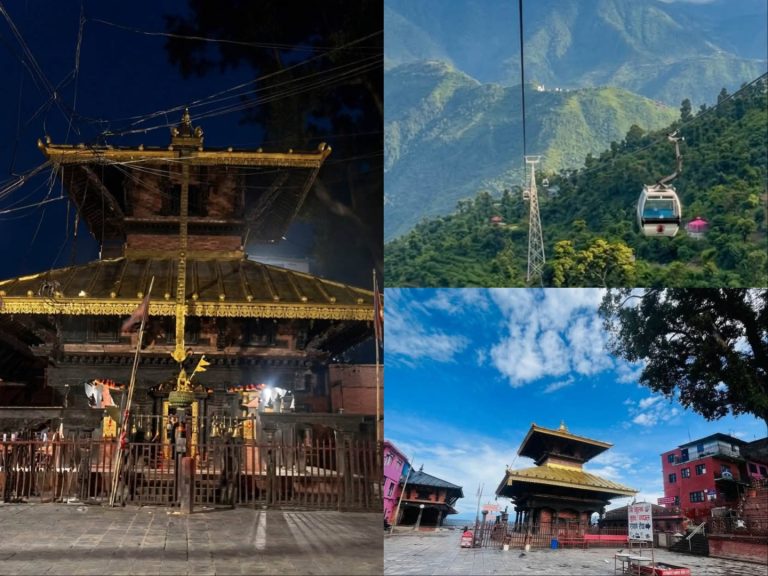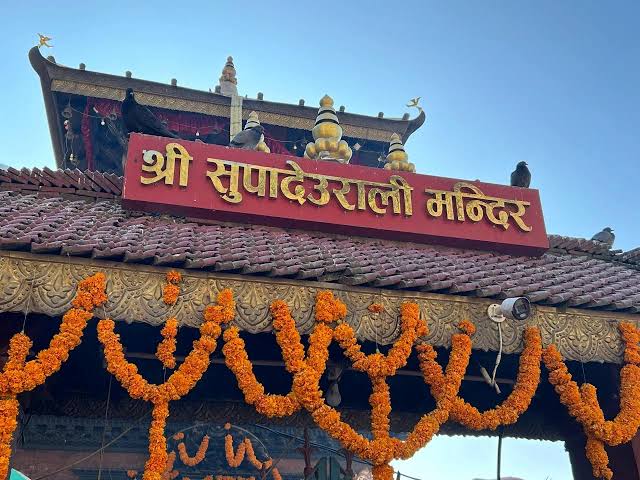
Nestled amid the lush green hills of Arghakhanchi District in western Nepal, Supa Deurali Temple is one of the country’s most revered Hindu pilgrimage sites. Dedicated to Goddess Supadevi (Bhagwati), the temple is believed to bless devotees with protection, prosperity, and the fulfillment of their wishes. For centuries, pilgrims from across Nepal and neighboring India have journeyed to this sacred hilltop shrine to seek divine blessings, offer prayers, and experience the temple’s peaceful spiritual atmosphere. Beyond its religious significance, Supa Deurali is also an important cultural and tourism destination, where mythology, history, architecture, and breathtaking natural scenery come together to create an unforgettable experience.
Location and Accessibility
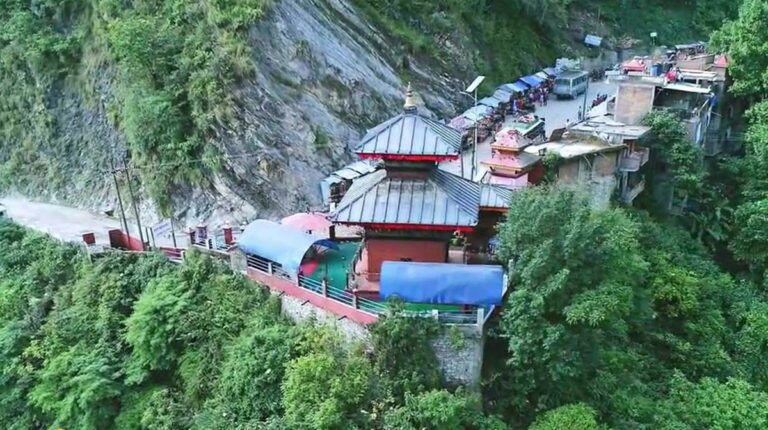
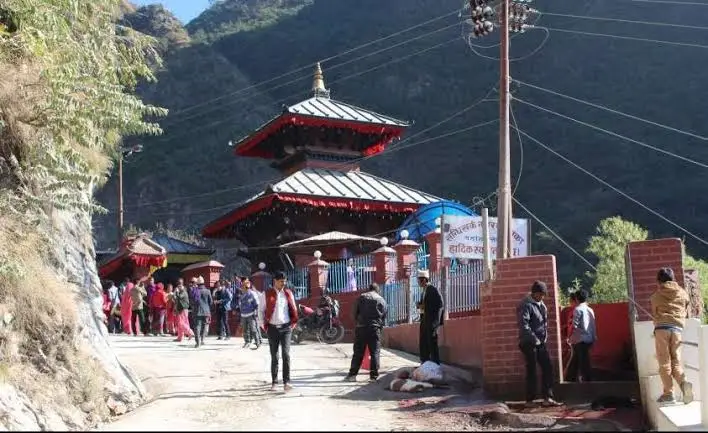
Supa Deurali Temple is situated in Sandhikharka Municipality of Arghakhanchi District in Lumbini Province, at an elevation of approximately 4,500 feet (1,370 meters) above sea level. The Supa Deurali Temple is strategically located along the Siddhartha Highway, making it one of the most accessible religious destinations in western Nepal. It lies approximately 14 kilometers from Sandhikharka Bazaar, around 80 kilometers from Butwal, about 170 kilometers from Pokhara, and nearly 300 kilometers from Kathmandu.
The journey to the temple passes through picturesque hills, terraced farms, dense forests, and traditional villages, offering visitors a scenic drive before reaching the sacred site. While the road remains open throughout the year, travelers are advised to exercise caution during the monsoon season due to occasional landslides and slippery road conditions.
The Legend of Supa Deurali
The story of Supa Deurali Temple is deeply rooted in Nepalese mythology and dates back to the era of the Baise and Chaubise kingdoms. According to local legend, a marriage was arranged between the prince of the Khanchikot Kingdom and a princess from Balrampur in present-day India. During the royal wedding procession returning to Khanchikot, a grand feast was organized for the people. However, disputes arose over the caste of the bride, causing humiliation and tension among those present. Although the procession continued, blood suddenly began flowing from the palanquin carrying the princess. When it was opened, the attendants discovered that the princess had taken her own life.
In the days that followed, mysterious diseases spread throughout nearby villages, creating fear among residents. A Jhankri (traditional shaman) declared that the deceased princess had manifested herself as Goddess Bhagwati and desired to be worshipped at the place where her blood had fallen. Following the shaman’s guidance, villagers established a shrine at the sacred site and began offering prayers. Over time, this place became known as Supa Deurali, and the goddess came to be worshipped as a powerful protector capable of granting blessings and fulfilling the wishes of sincere devotees. Even today, this legend forms the spiritual foundation of the temple and continues to attract thousands of faithful pilgrims.
Historical Background of Supa Deurali Temple
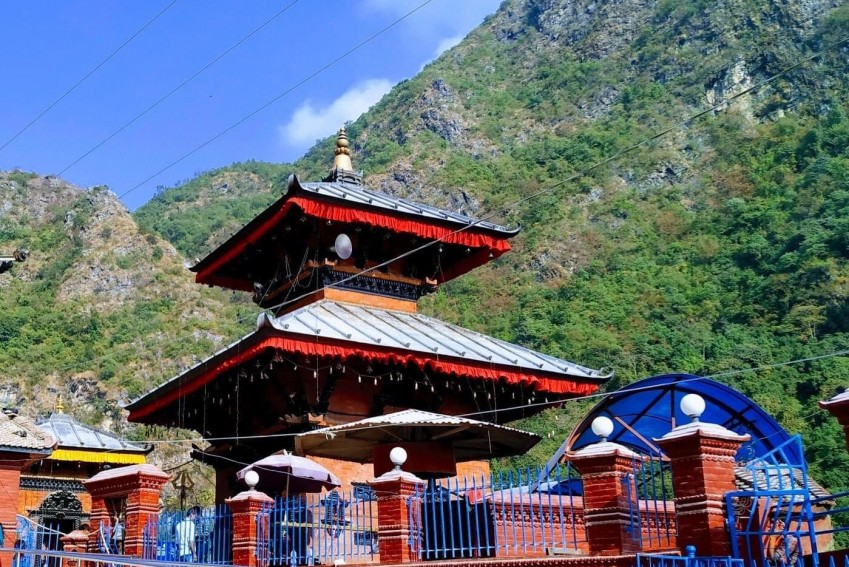
The recorded history of Supa Deurali Temple dates back to 1600 B.S. (1543 A.D.), when King Biswa Pal Shah, the ruler of the Khanchi Kingdom, constructed the temple in memory of his daughter Subarna Kumari and installed the idol of Goddess Bhagwati. Since its establishment, the temple has remained one of western Nepal’s most important religious centers and has preserved its traditional customs and rituals for centuries.
Formal daily worship at the temple began in 2040 B.S., marking a new chapter in its religious activities. Two years later, in 2042 B.S., a beautifully designed pagoda-style structure was constructed to accommodate the growing number of devotees while preserving traditional Nepali temple architecture. Since then, the temple has undergone several renovations and conservation projects aimed at maintaining its religious, historical, and architectural significance without compromising its cultural authenticity.
Religious Importance
Supa Deurali Temple occupies a special place in the hearts of Hindu devotees and is regarded as one of the most sacred shrines dedicated to Goddess Bhagwati in western Nepal. Devotees firmly believe that the goddess possesses divine powers capable of protecting people from accidents, illnesses, natural disasters, and various misfortunes.
Many visitors come to the temple seeking success in education, business, employment, marriage, and family life, believing that sincere prayers offered here are answered by the goddess. One of the temple’s unique traditions is that travelers frequently stop to offer prayers before beginning long journeys, especially those traveling through the hilly highways of western Nepal. Seeking the goddess’s blessings for a safe and successful journey has become an enduring custom observed by countless pilgrims and motorists.
The Temple Complex
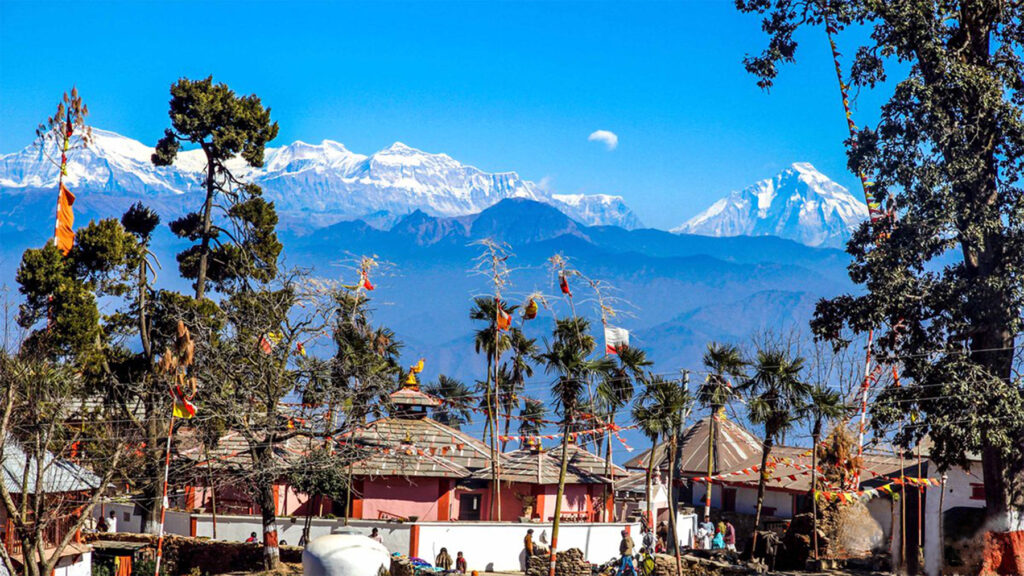
The temple complex is home to several important Hindu deities in addition to the main idol of Goddess Bhagwati. Visitors can also worship Lord Ganesh, the remover of obstacles; Goddess Mahakali, the symbol of divine power and protection; Goddess Mahalaxmi, the goddess of wealth and prosperity; and Lord Shiva, one of Hinduism’s principal deities. The presence of these sacred idols makes the temple an important destination for devotees following different traditions within Hinduism.
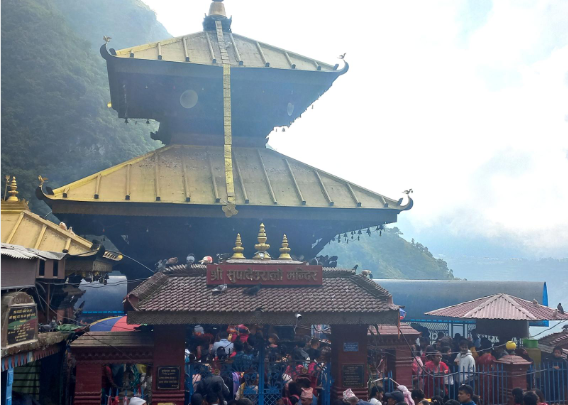
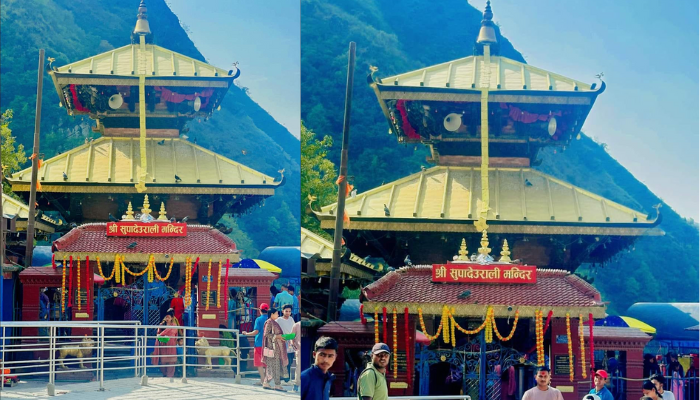
The pagoda-style architecture reflects the rich heritage of traditional Nepalese temple construction. Beautifully crafted wooden structures, tiered roofs, sacred bells, stone-paved courtyards, and colorful prayer flags create a serene and spiritually uplifting environment. Surrounded by forests and rolling hills, the temple provides visitors with both religious inspiration and remarkable natural beauty.
Religious Rituals and Festivals
Daily worship at Supa Deurali Temple begins early in the morning with prayers, the lighting of oil lamps, devotional songs, incense offerings, and traditional aarti ceremonies. Throughout the day, devotees present flowers, fruits, coconuts, vermilion powder, and other sacred offerings to Goddess Bhagwati while praying for blessings and protection.
Animal sacrifice continues to be practiced as part of longstanding religious traditions, although it is prohibited on several sacred occasions, including Ekadashi, Krishna Janmashtami, Ram Navami, Akshaya Tritiya, Shri Panchami, Rishi Panchami, and the new moon day (Aunsi). These restrictions reflect the temple’s observance of important Hindu religious customs.
The Supa Deurali Temple experiences its largest gatherings during Dashain, Nepal’s greatest Hindu festival, when tens of thousands of devotees visit to receive the blessings of Goddess Durga. Navaratri is another major celebration, with nine days of continuous worship dedicated to the goddess. Other important occasions such as Ram Navami, Janai Purnima, and various local religious festivals also attract large numbers of pilgrims every year.
Natural Beauty and Tourism Appeal
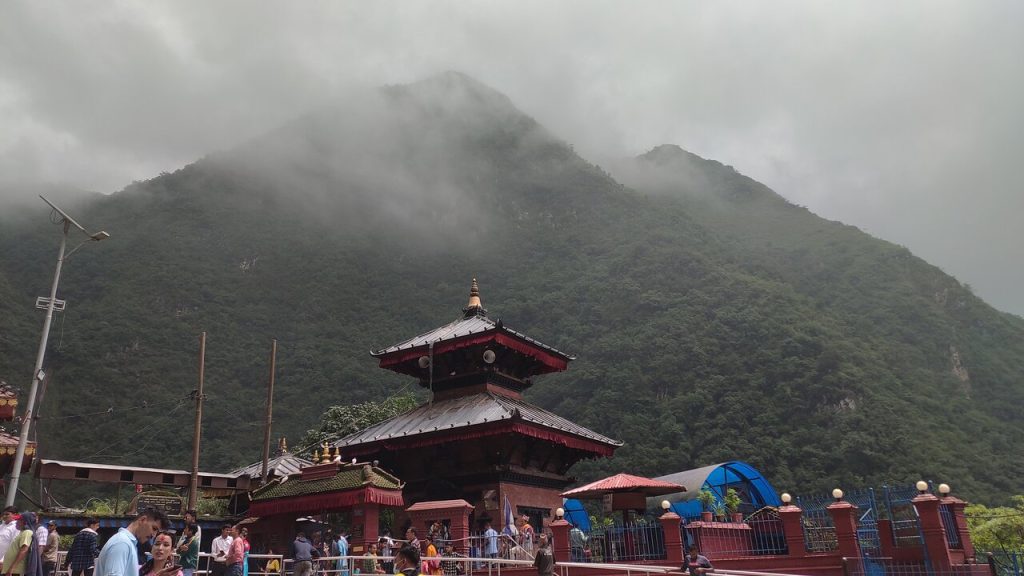
Apart from its immense religious importance, Supa Deurali Temple is renowned for its stunning natural surroundings. The hilltop location offers panoramic views of green hills, terraced fields, dense forests, and distant mountain ranges, making it an attractive destination for nature lovers and photographers. The peaceful atmosphere, cool mountain breeze, and scenic landscapes provide visitors with an ideal environment for meditation, relaxation, and spiritual reflection. The temple has become one of the leading religious tourism destinations in western Nepal, attracting pilgrims, domestic tourists, cultural enthusiasts, and international visitors interested in Nepal’s spiritual heritage. Its combination of mythology, history, architecture, and natural beauty makes it appealing to travelers of all ages.
Best Time to Visit
Supa Deurali Temple can be visited throughout the year, although the most favorable seasons are spring and autumn. During spring (March to May), pleasant temperatures, blooming rhododendrons, and clear skies create ideal conditions for sightseeing and photography.
Autumn (September to November) is considered the best season, offering crystal-clear mountain views, comfortable weather, and the vibrant celebrations of Dashain and other festivals that fill the temple with devotional activities. Winter offers cool temperatures, peaceful surroundings, and fewer crowds, making it suitable for visitors seeking a quiet spiritual experience. During the monsoon season, the surrounding hills become exceptionally green and beautiful, but heavy rainfall can occasionally affect road conditions, so travelers should check weather forecasts before planning their journey.
Accommodation and Visitor Facilities
Although there are no luxury hotels within the temple premises, visitors can easily find comfortable accommodation in nearby Sandhikharka Bazaar, where hotels, guesthouses, lodges, and homestays provide suitable options for pilgrims and tourists. Additional accommodation with more modern facilities is available in Butwal for those planning longer trips. Small restaurants, tea shops, and local eateries around the temple serve traditional Nepali meals and refreshments, allowing visitors to enjoy local hospitality during their pilgrimage. Basic amenities such as parking areas, resting places, drinking water, and shops selling flowers, incense, and religious offerings are also available near the temple.
Contribution to Local Community
Supa Deurali Temple serves not only as a place of worship but also as an important contributor to community development. Donations made by devotees are used to support the operation of two local schools, helping improve educational opportunities for children in the surrounding villages. The temple also employs residents through tourism-related businesses such as hotels, restaurants, transportation services, souvenir shops, and religious goods vendors. Annual festivals further stimulate the local economy by attracting thousands of visitors who contribute to nearby businesses and community livelihoods.
Travel Tips
Visitors are encouraged to dress modestly and respectfully while visiting the temple and to remove their shoes before entering the main shrine. Early morning is considered the best time for worship, offering a peaceful atmosphere and pleasant weather. Carrying drinking water, wearing comfortable footwear, and keeping some cash for offerings and local purchases are advisable. During the monsoon season, travelers should remain alert to weather updates and road conditions due to the possibility of landslides. Respecting local customs, temple rules, and photography guidelines helps preserve the sanctity of this sacred site.
Supa Deurali Temple stands as one of Nepal’s most treasured religious landmarks, where centuries of history, powerful mythology, deep-rooted faith, and spectacular natural beauty come together in perfect harmony. From the tragic legend that gave birth to the shrine to its enduring role as a center of devotion and community development, the temple continues to inspire countless pilgrims and visitors every year. Whether one seeks spiritual blessings, wishes to explore Nepal’s rich cultural heritage, or simply hopes to experience the tranquility of western Nepal’s scenic hills, a visit to Supa Deurali Temple offers an enriching and unforgettable journey that reflects the timeless spirit of Nepal’s sacred traditions.