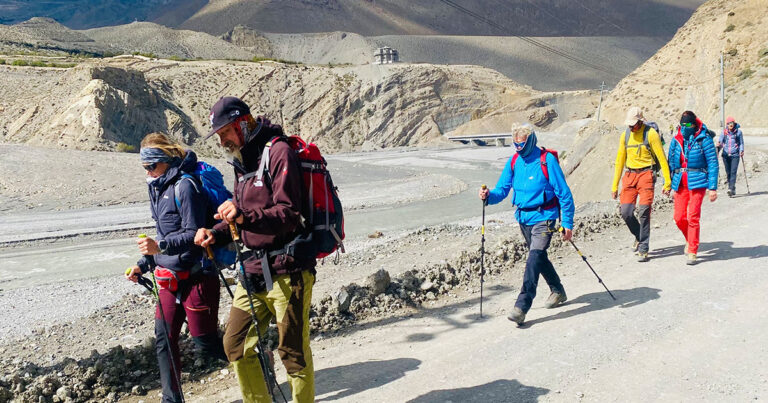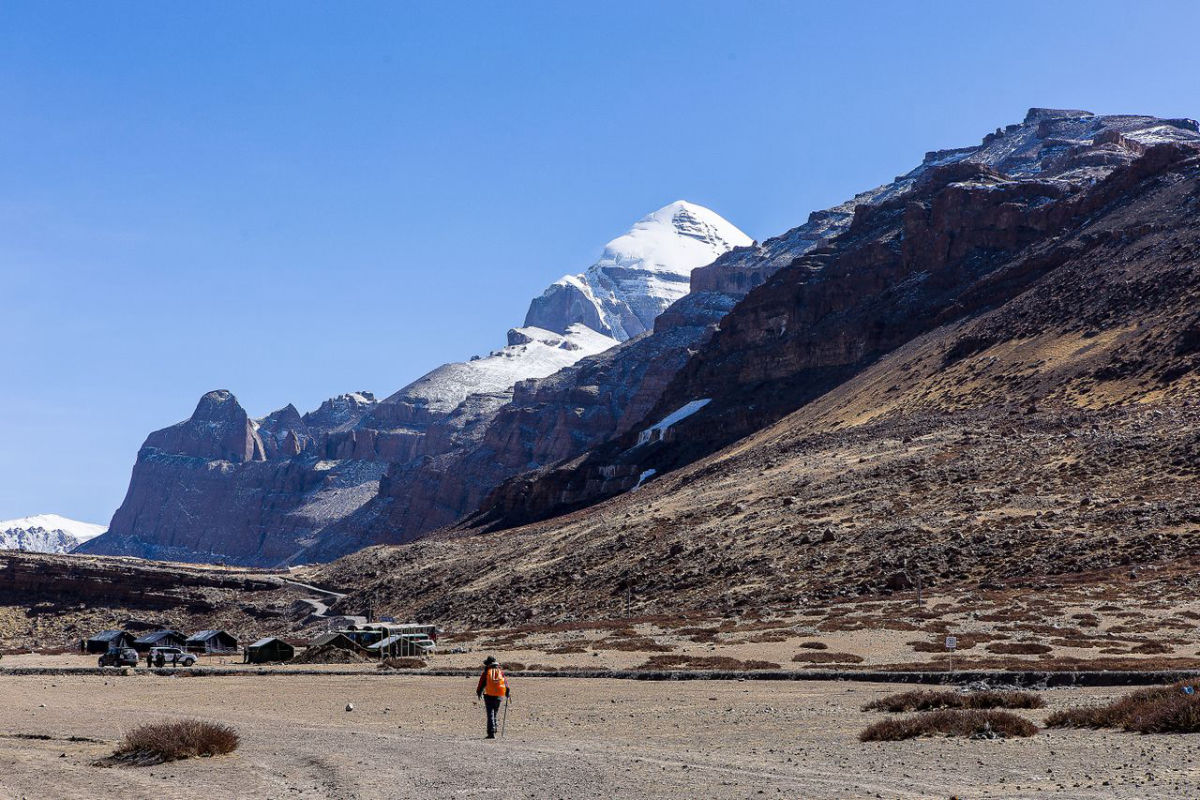
Around 2,500 Nepali and foreign nationals who had traveled to China’s Kailash Mansarovar region have safely made their way back to Nepal through the Hilsa and Tatopani border points, following major disruptions caused by the devastating floods in Rasuwa. The travelers had been caught up in the disruption while either travelling towards the sacred pilgrimage destination or returning to Nepal, leaving authorities to coordinate alternative routes for their safe movement. Their return marks a significant development in efforts to bring stranded travelers home as authorities continue working with their Chinese counterparts to assist those who have yet to leave the region.
About 3,000 Travelers Were Caught In The Disruption
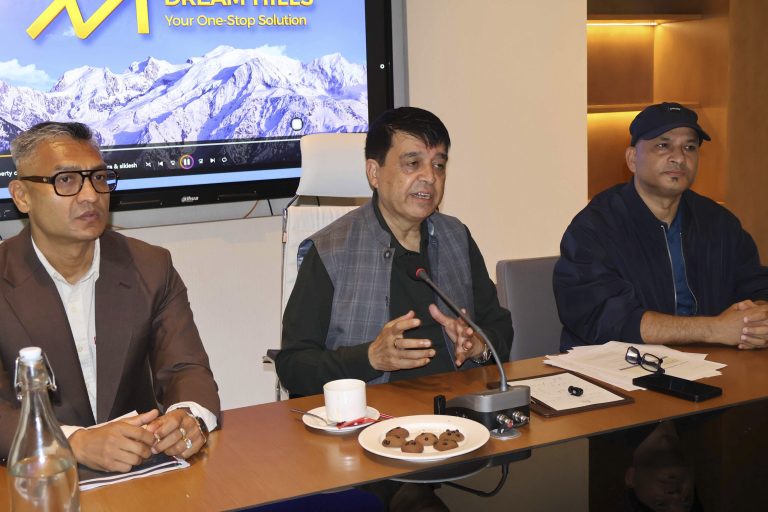
The Ministry of Foreign Affairs said an estimated 3,000 Nepali and foreign nationals were in the Kailash Mansarovar region when the disaster disrupted their onward journeys. Most of those affected were pilgrims, highlighting the direct impact of the border disruption on one of the region’s important pilgrimage travel routes. Foreign Ministry spokesperson Lok Bahadur Paudel Chhetri said during the ministry’s regular press briefing that around 2,500 people have already returned through Hilsa and Tatopani, meaning the majority of the travelers affected by the disruption have now been able to continue their journeys towards safety.

The return of such a large number of travellers has been facilitated through the available border routes as authorities work to manage movement following the extensive damage caused by the flooding. For pilgrims and other travellers who had been unable to proceed because of the disruption, the reopening and use of alternative crossings have provided an important route back into Nepal. The ministry continues to monitor the situation and coordinate with relevant authorities to ensure that those still in the Kailash Mansarovar region can also return as safely and efficiently as possible.
Lhasa Air Route Offers Another Way Home
While most of the affected travelers have now returned to Nepal, authorities are continuing to facilitate the return of those who remain in the region.
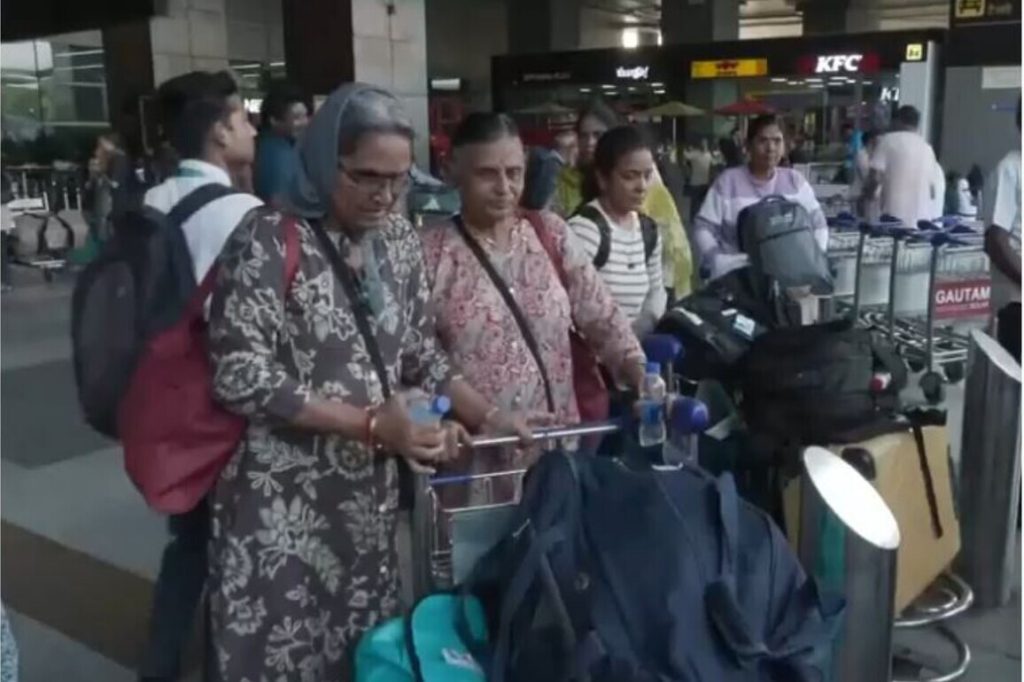
The Ministry of Foreign Affairs said some travelers are preparing to leave through the air route from Lhasa, offering an alternative to the disrupted overland routes. This option could provide an important means of movement for people who are still unable to travel through the affected border areas because of the continuing consequences of the floods.
Foreign Ministry spokesperson Paudel also said that the Chinese government has been facilitating the return of Nepali and foreign nationals through other Nepal-China border crossings. The cooperation between the two countries has become particularly important following the disruption of the main overland route, allowing travelers to use alternative arrangements while authorities continue efforts to bring everyone affected by the disaster back to safety.

Bhotekoshi Flood Cuts Off A Vital Pilgrimage Route
The disruption began following the devastating Bhotekoshi River flood in Rasuwa on August 27, 2026, which caused significant loss of life and property and severely affected movement along the Nepal-China border. Among the areas badly affected was the Rasuwagadhi Timure corridor, a key overland route for travelers and pilgrims heading towards or returning from the Kailash Mansarovar region. The damage to this route created immediate difficulties for people whose journeys depended on the border crossing.
The impact has been particularly significant for pilgrimage travel, as the Kailash Mansarovar route connects large numbers of pilgrims and other travellers moving between Nepal and the region in China. With around 2,500 people already safely back in Nepal, authorities are now concentrating on assisting the remaining travellers while maintaining coordination with China and exploring available routes for their return. The continued efforts at Hilsa, Tatopani, other border crossings and through the Lhasa air route are expected to remain central to the process until all affected travellers have been able to complete their journeys.