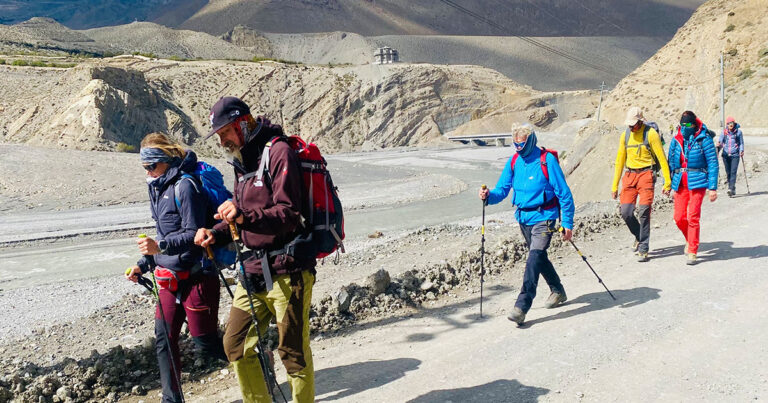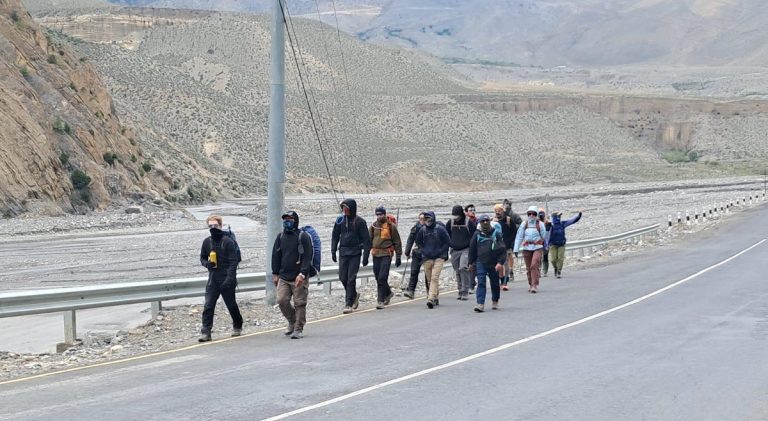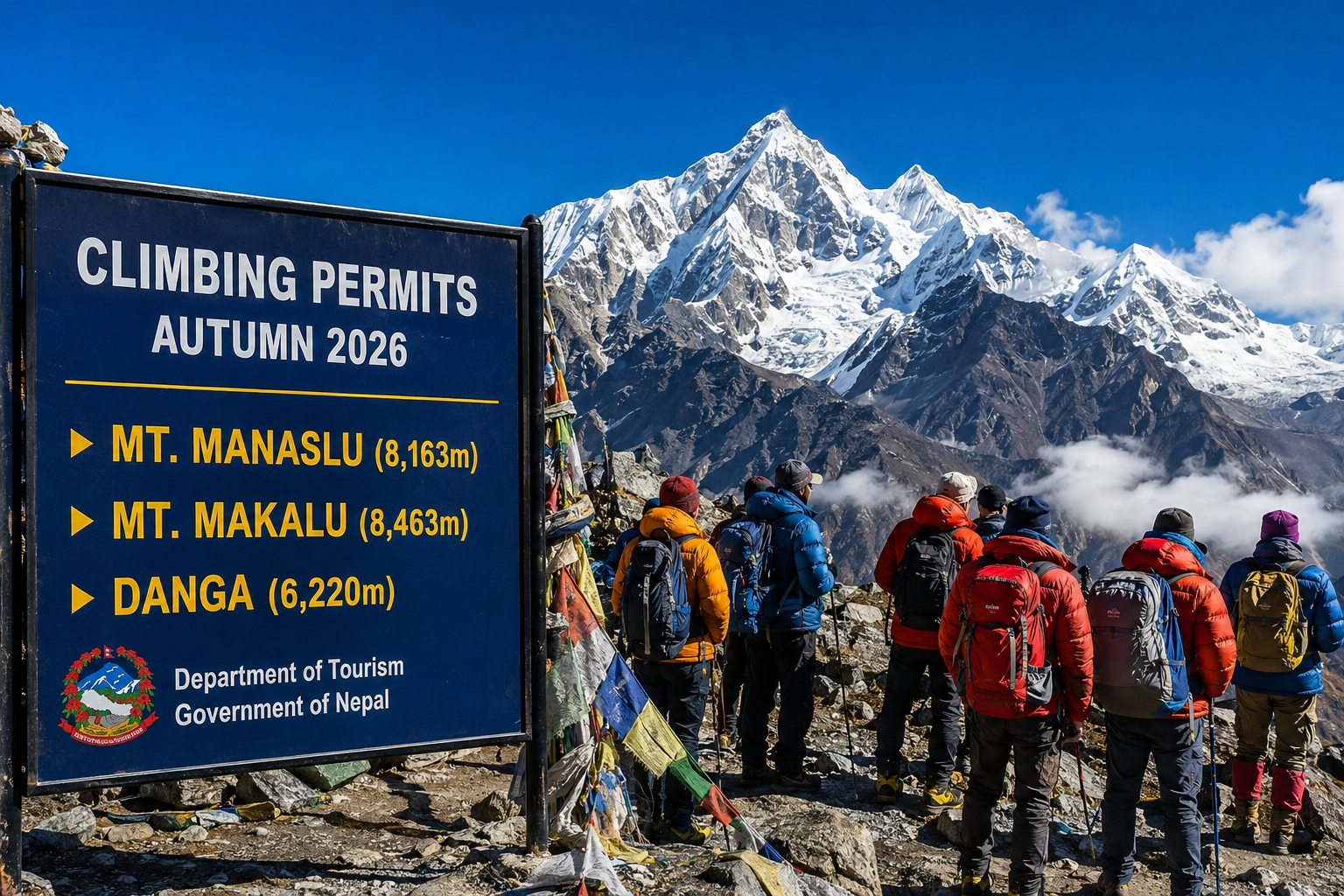
Nepal has issued climbing permits to 367 climbers from 52 countries for the autumn 2026 mountaineering season, with Mount Manaslu (8,163m) receiving the overwhelming majority of applications. The permits have been issued for two of Nepal’s 8,000-metre peaks, Manaslu and Mount Makalu (8,463m), along with Danga (approx. 6,355m). According to the Department of Tourism, the latest figures recorded as of September 3, 2026, include 280 male and 87 female climbers. The numbers indicate continued strong international interest in Nepal’s Himalayan mountaineering sector during the autumn season.

Manaslu Attracts Nearly 95 Percent of Permitted Climbers
Mount Manaslu has emerged as the primary attraction for the autumn climbing season, with 348 permits issued so far. Among them, 263 are male, and 85 are female climbers. At 8,163 metres, Manaslu is the eighth-highest mountain in the world and is located in Gorkha District. The mountain has become one of Nepal’s major autumn expedition destinations, attracting climbers seeking an 8,000-metre Himalayan summit.
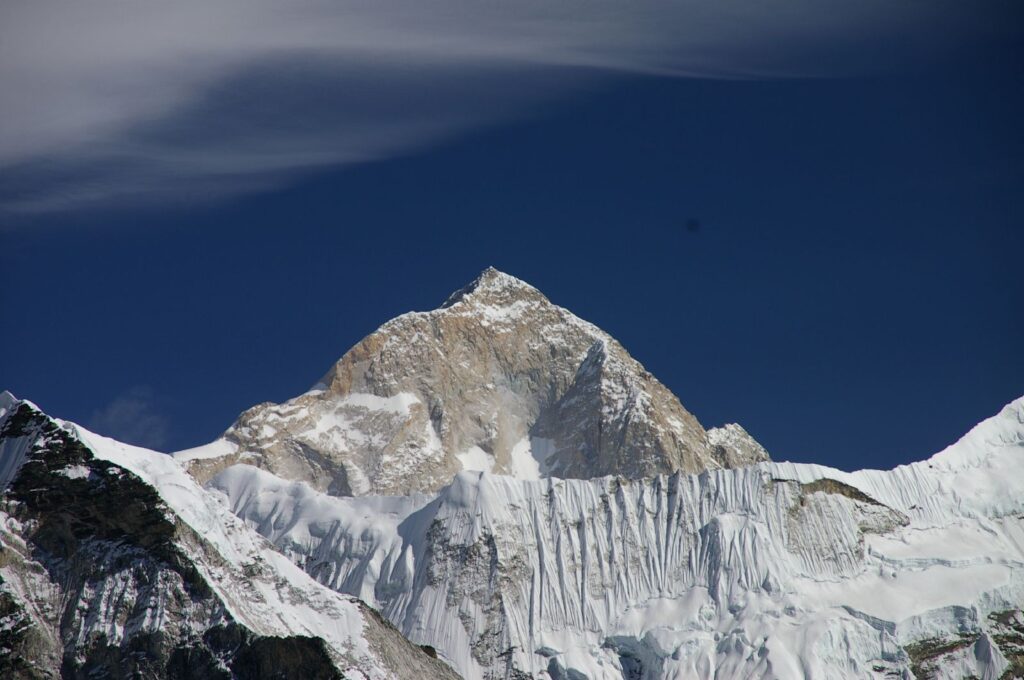
The number of permits issued for Manaslu accounts for nearly 95 percent of the total permits granted for the three peaks covered by the latest figures. Meanwhile, only three climbers, all male, have received permits to attempt Mount Makalu, the world’s fifth-highest mountain at 8,463 metres. Situated in eastern Nepal, Makalu is regarded as a technically demanding Himalayan peak because of its steep terrain, exposed ridges and challenging climbing conditions. For Danga, a 6,220-metre peak, the Department has issued 16 permits, including 14 male and two female climbers.
Climbers from 52 Countries and US$1 Million in Royalties
The autumn climbing season has drawn participants from 52 countries, demonstrating the continued international appeal of Nepal’s mountains. China has the highest number of permitted climbers with 55, followed by Russia with 39, the United States with 32, France with 27, and the United Kingdom with 24. The participation of climbers from such a broad range of countries also highlights Nepal’s position as a leading international destination for high-altitude adventure tourism.
The government has collected US$1,049,668 in climbing royalties from the permits issued for Manaslu, Makalu and Danga as of September 3. Revenue from mountaineering is an important source of income for Nepal’s tourism sector, and climbing expeditions also contribute to local economies through the use of guides, porters, trekking agencies, accommodation, transportation, and other support services.

Autumn Expeditions Set to Boost Himalayan Tourism
The September-November period is one of Nepal’s busiest seasons for Himalayan expeditions, as the post-monsoon period generally provides improved visibility and favorable conditions for high-altitude climbing. The latest permit figures show that Manaslu continues to dominate Nepal’s autumn expedition activity, while peaks such as Makalu and Danga attract smaller numbers of climbers looking for more specialized mountain experiences. As expedition teams begin their journeys toward their respective base camps, the growing number of international climbers is expected to generate further activity for Nepal’s mountain tourism industry and communities in the Himalayan regions.