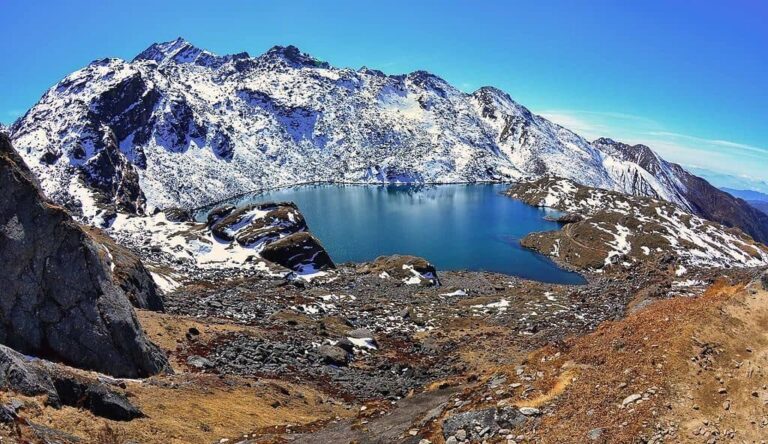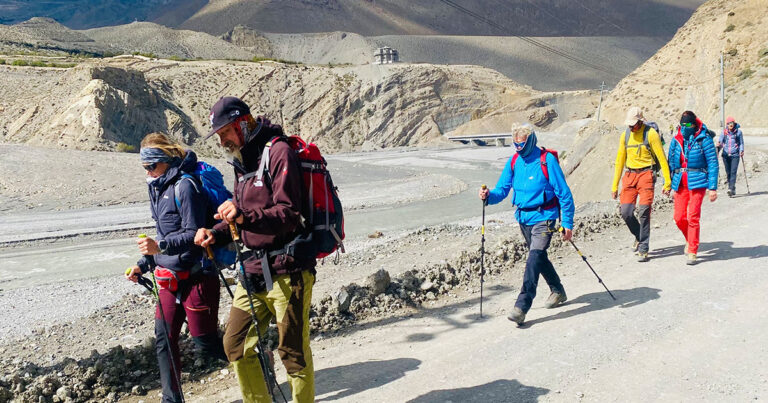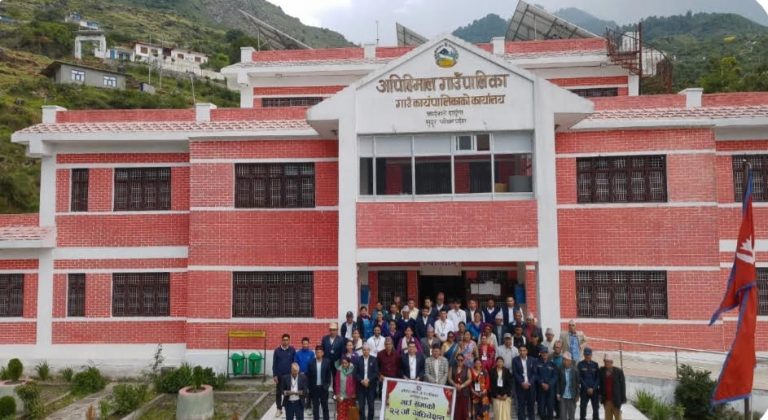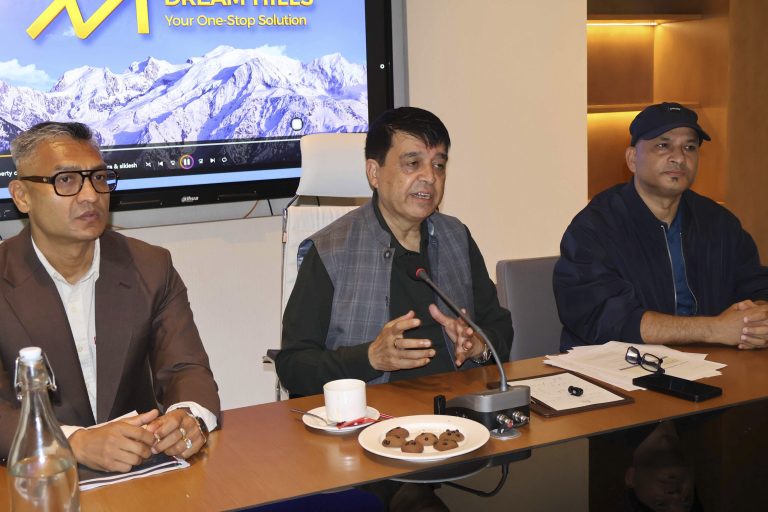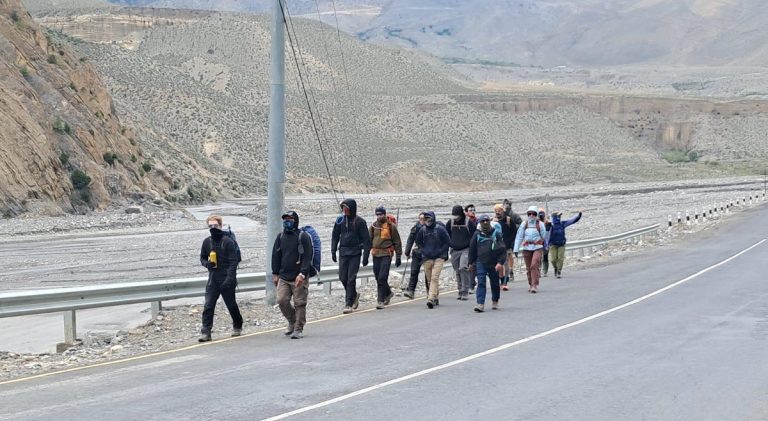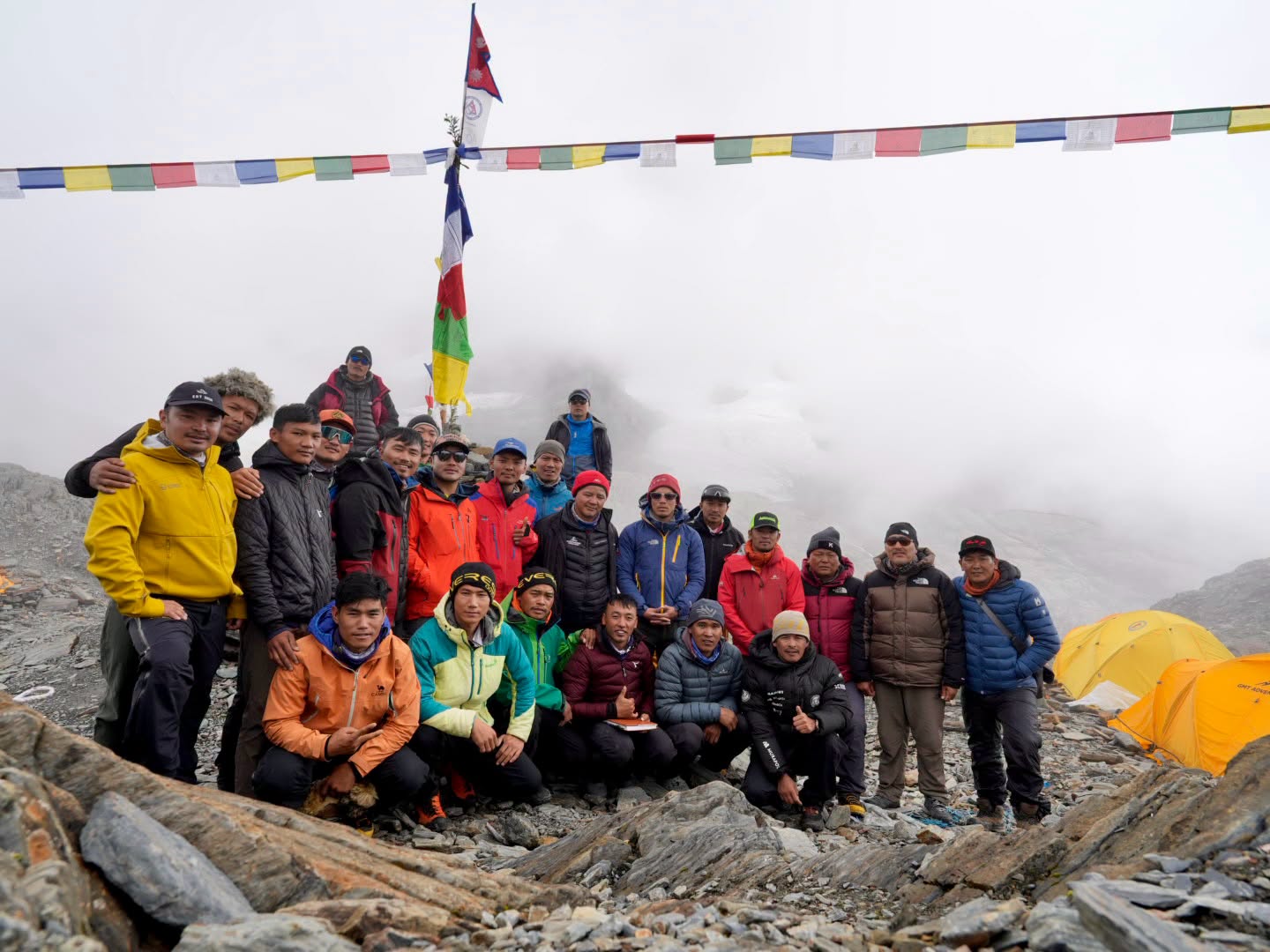
The Aspirant Guide Course (AGC) 2025/26, Component III, is currently underway at Kangla in Manang, bringing aspiring professional mountain guides into a demanding alpine environment for the final component of their structured training. The IFMGA-aligned Aspirant Guide Course, conducted through the Nepal National Mountain Guide Association (NNMGA), is designed as a professional pathway toward becoming an internationally recognised mountain guide.
A total of 15 trainees, nine course experts, and six staff members are participating in the current field programme. The group is scheduled to remain in Kangla for approximately 20 days, completing practical training and final assessments for the third component of the course.
Final Component Takes Training Into Alpine Terrain
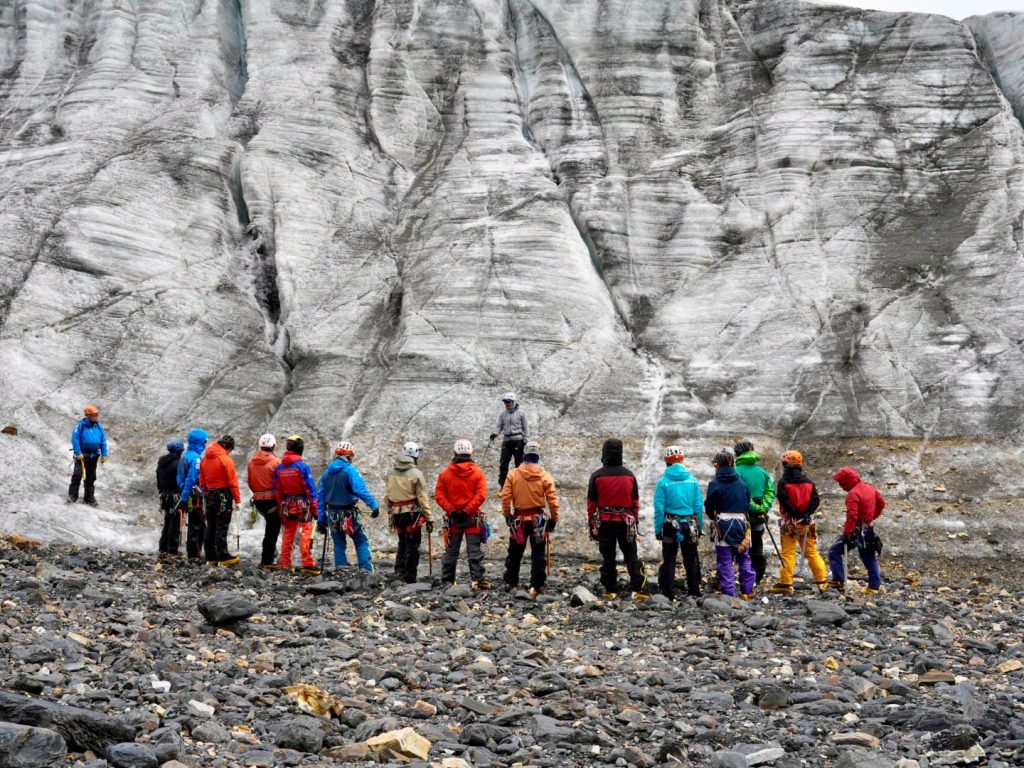
Component III represents the final stage of the Aspirant Guide Course. According to NNMGA’s training framework, the three-component programme is spread across approximately 10 months and 47 training days, with the components conducted in different seasons and environments. The first and third components take place in alpine terrain, generally between 4,000 and 5,800 metres, while the second component is conducted in lower-altitude terrain.
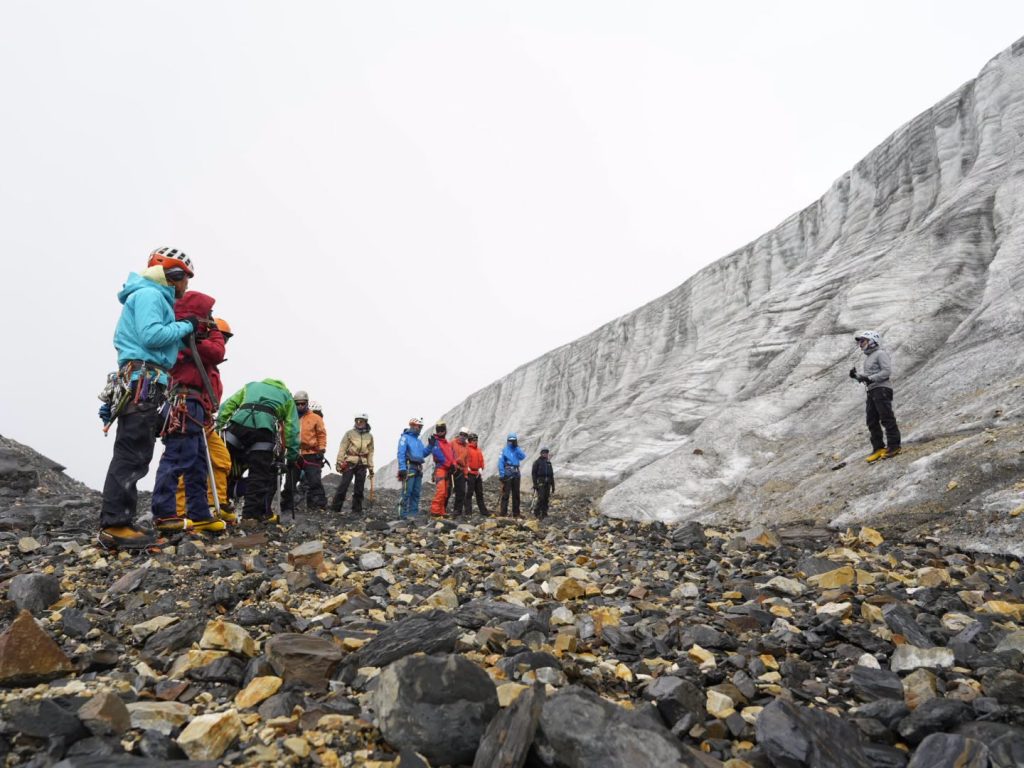
The third component focuses on skills required for actual mountain guiding, including alpine ascent, snow and mixed-terrain techniques, and leading and managing clients in mountain environments. This makes the field programme particularly important because trainees are required to apply technical knowledge in real mountain conditions rather than relying solely on classroom instruction. At Kangla, participants are therefore undergoing practical alpine training while preparing for the final evaluation of this stage of their professional development.
From Aspirant Guide to International Mountain Guide
The AGC is not simply a short-term mountaineering course. It is the first major educational step toward becoming an IFMGA-standard international mountain guide. NNMGA states that candidates must complete all three components of the Aspirant Guide Course before they can progress to the later Mountain Guide Certification process. Each component includes a final evaluation, and successful completion allows the trainee to move on to the next stage.
The programme follows a progressive structure, allowing trainees to build their technical abilities over different types of terrain and seasons. This approach is intended to prepare future guides for the varied conditions they may encounter while leading clients in the mountains. The training is particularly significant for Nepal’s adventure tourism sector, where professional mountain guides play a central role in trekking, climbing, and expedition operations.
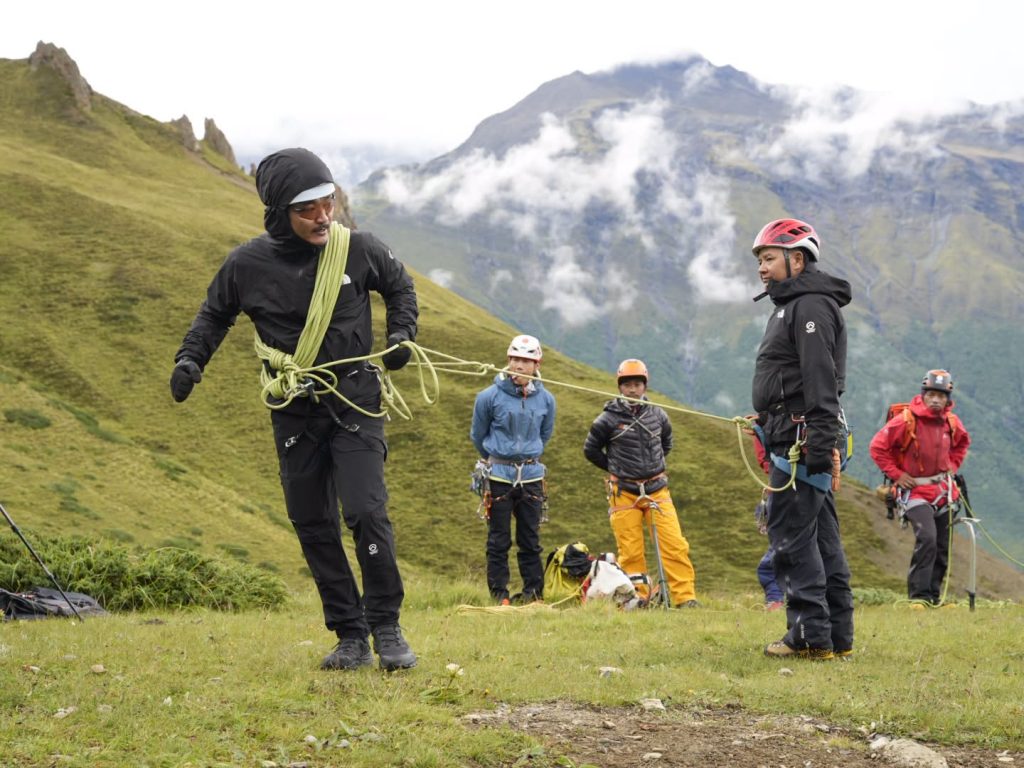
Practical Skills and Professional Responsibility
The final component places emphasis not only on climbing ability but also on the responsibilities involved in guiding people safely through mountainous terrain. NNMGA’s broader Aspirant Guide framework includes training and experience in rock, ice and alpine climbing, while its required logbook records activities such as ice craft, rock craft, alpine ascents, guiding and climbing on 6,000-, 7,000- and 8,000-metre mountains, as well as rescue experience.
The professional pathway also requires candidates to demonstrate substantial prior mountaineering experience. Before entering the Aspirant Guide entrance examination, candidates must meet technical and climbing requirements and demonstrate experience in rock, snow, ice and mixed terrain. This progression is intended to ensure that future guides possess more than climbing skills. They must also develop the judgement and technical competence required to manage clients in complex mountain environments.
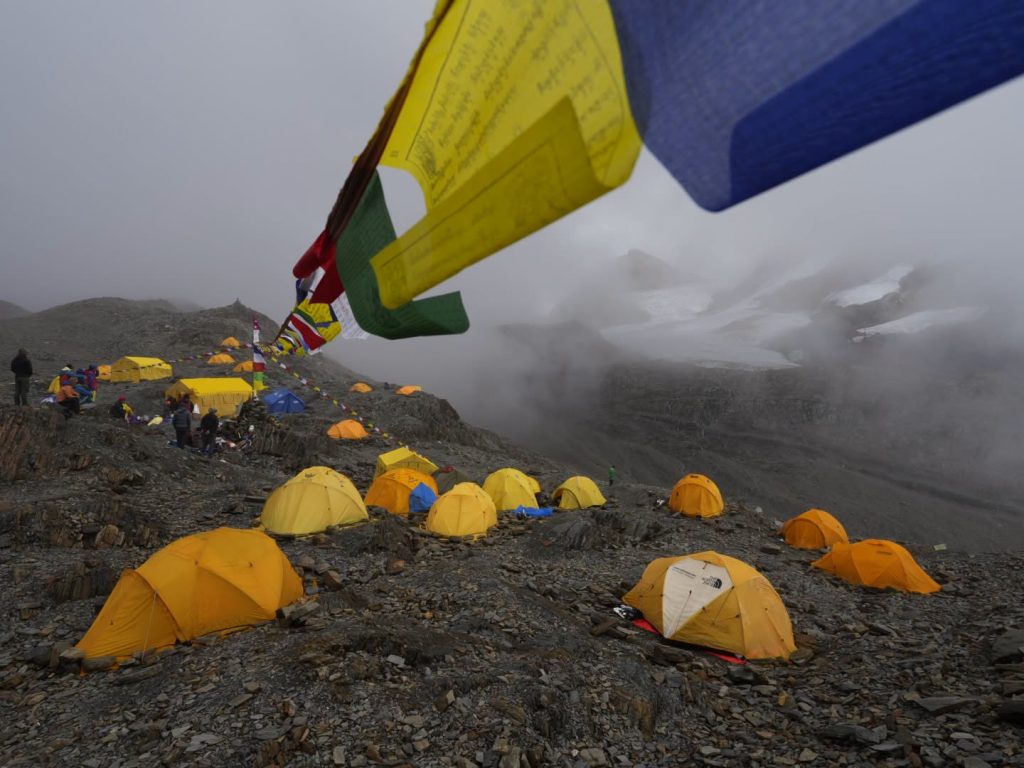
Final Assessment Marks an Important Career Milestone
The 20-day programme at Kangla will conclude with the final examinations for Component III. Trainees who successfully complete the requirements will receive the Aspirant Mountain Guide designation, marking the completion of the three-part aspirant training stage and an important step toward the next level of professional mountain-guide certification.
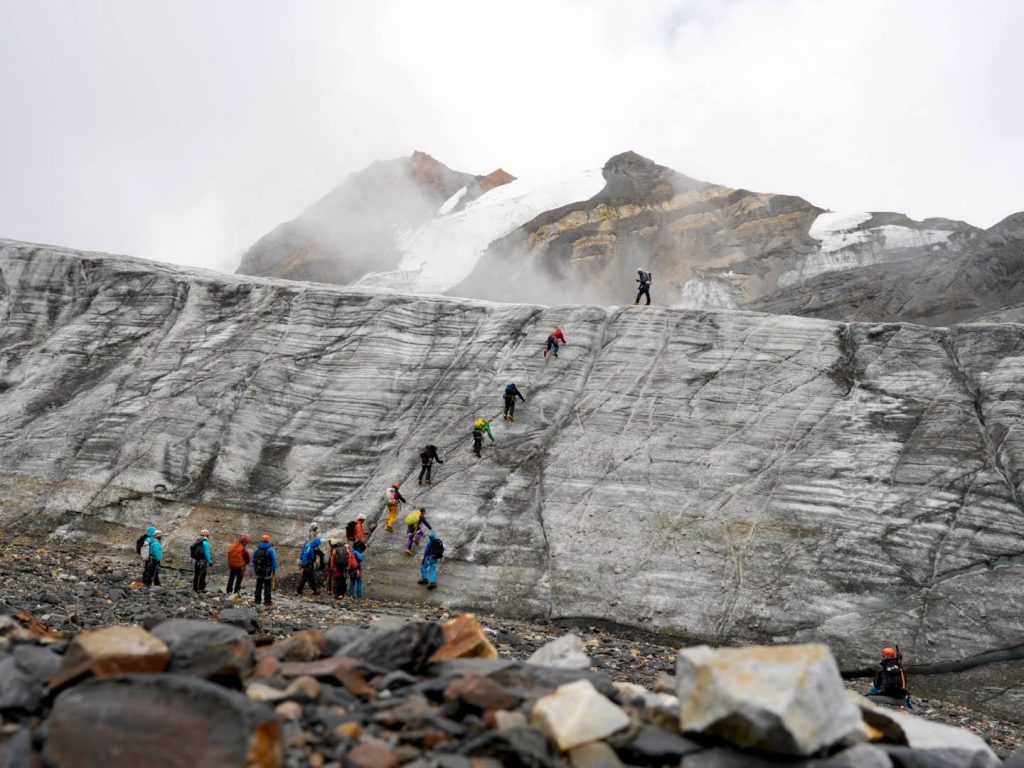
The next stage is the Mountain Guide Certification Course, which NNMGA describes as the final education and evaluation system for becoming an IFMGA-standard international mountain guide. According to NNMGA, successful aspirant guides normally return later for the Mountain Guide examination after completing the required practice and logbook requirements.
The programme at Kangla therefore represents more than another mountaineering expedition. It is part of Nepal’s structured effort to develop technically qualified, professionally trained and internationally recognised mountain guides. With 15 trainees currently undertaking their final aspirant-guide component in the mountains of Manang, the programme is contributing to the development of skilled human resources for Nepal’s growing trekking, climbing and expedition tourism industry.