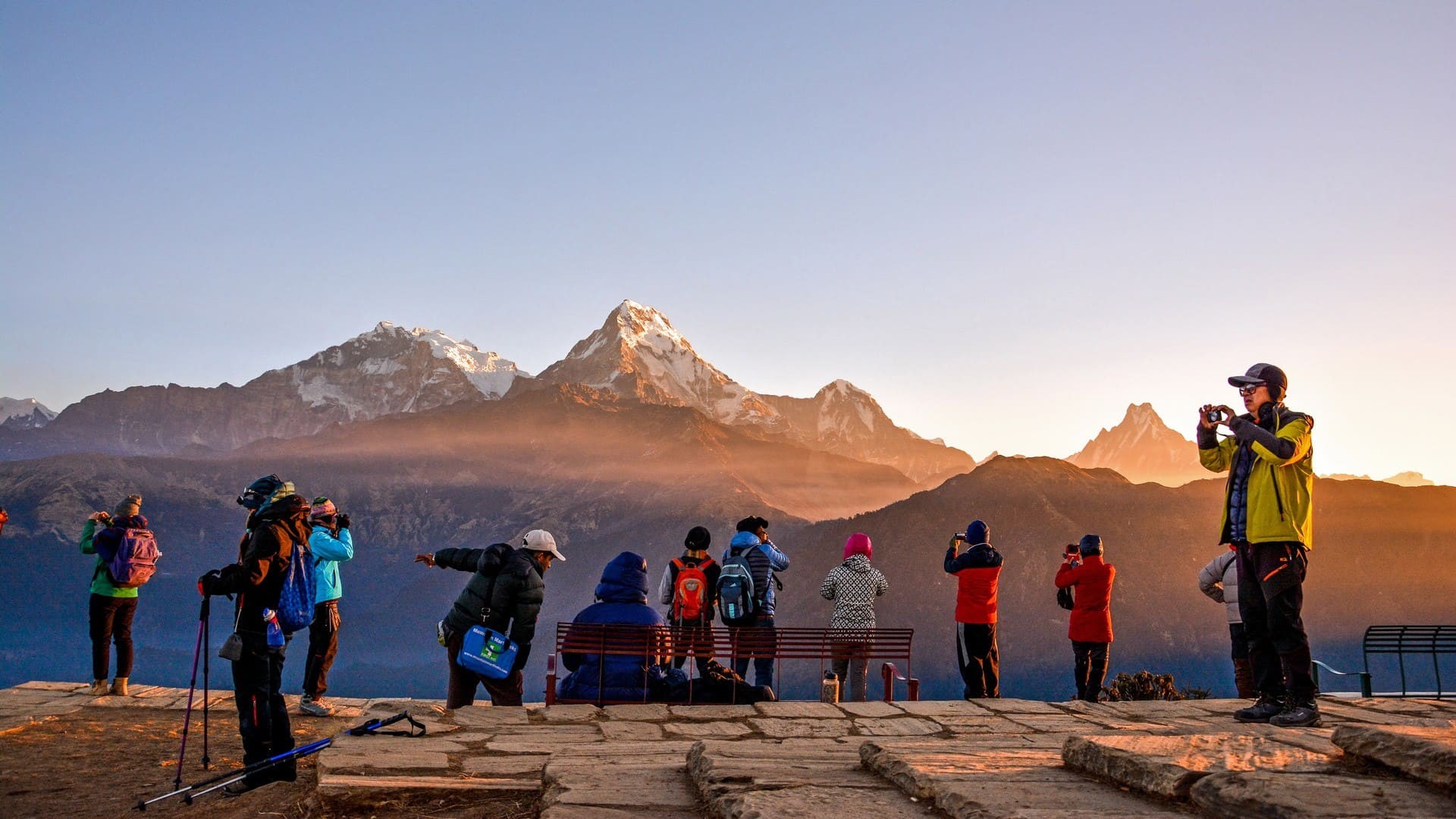
Nepal, renowned for its breathtaking landscapes and rich cultural heritage, is continually evolving to enhance its tourism infrastructure. In a bid to boost the tourism sector and offer a more enjoyable experience for visitors, several new projects are underway across the country. These initiatives aim to improve facilities, ensure better accessibility, and promote sustainable tourism, reflecting Nepal’s commitment to maintaining its position as a premier destination for travelers.
One of the most significant projects is the development of the Lumbini Master Plan. Lumbini, the birthplace of Lord Buddha, is a UNESCO World Heritage Site and holds immense religious and historical significance. The Master Plan aims to upgrade the infrastructure of Lumbini, including the construction of new museums, improved visitor centers, and better accommodation facilities. This initiative is expected to enhance the overall visitor experience, making Lumbini more accessible and attractive to pilgrims and tourists alike. The project also includes efforts to preserve and promote the site’s cultural heritage while catering to the needs of increasing tourist numbers.
In the Kathmandu Valley, efforts are being made to revitalize the historical sites through the Kathmandu Valley Cultural Heritage Project. This project focuses on the restoration and preservation of key cultural landmarks such as the Kathmandu Durbar Square, Bhaktapur Durbar Square, and Patan Durbar Square. The initiative includes cleaning and repairing ancient temples, palaces, and monuments that were damaged during the 2015 earthquake. By investing in the restoration of these iconic sites, Nepal aims to draw more cultural tourists and provide a deeper insight into its rich history and architecture.
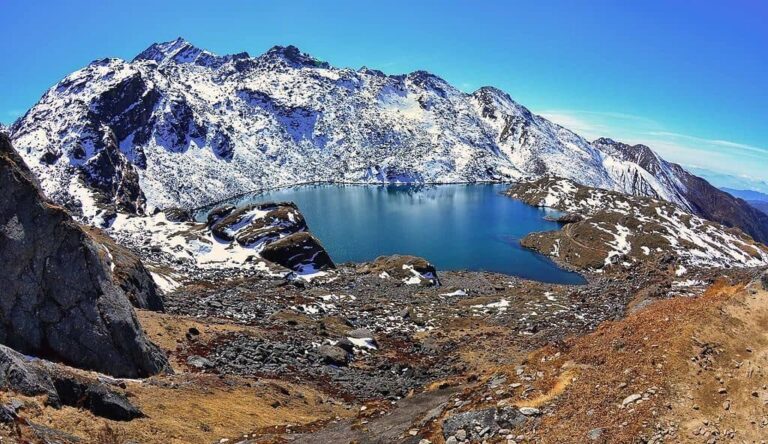
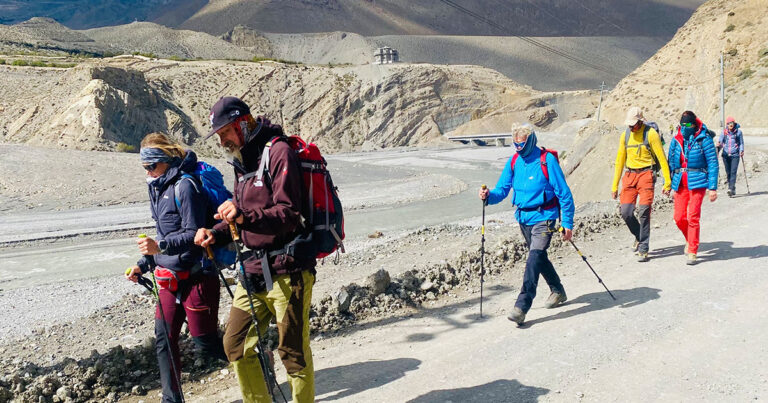
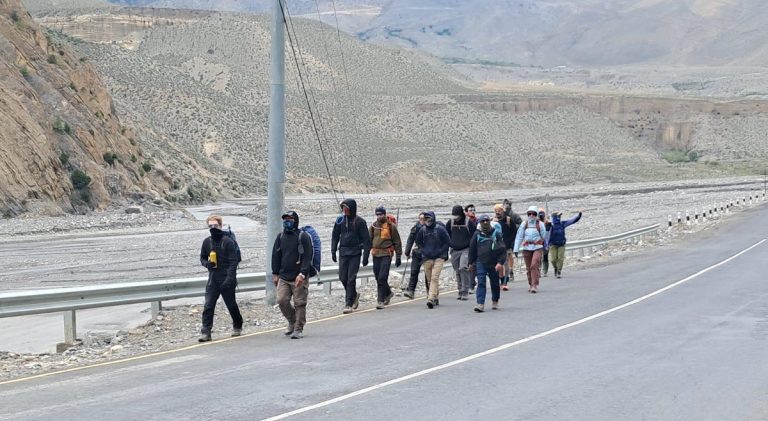
The government is investing in the development of new trekking routes and adventure tourism projects. The expansion of the trekking network includes the enhancement of existing trails and the creation of new routes in less-explored areas. One notable project is the development of the Great Himalayan Trail, which aims to connect various trekking routes across the Himalayan range, offering a comprehensive trekking experience that showcases Nepal’s diverse landscapes and cultures. This project is expected to promote rural tourism and support local communities by providing new economic opportunities.
Another significant initiative is the promotion of eco-friendly tourism through the development of sustainable accommodations. Several new eco-lodges and green hotels are being established in key tourist areas, including the Annapurna and Everest regions. These accommodations are designed to minimize environmental impact while providing high-quality services to tourists. The focus on sustainability is aligned with global trends towards responsible tourism and aims to preserve Nepal’s natural beauty for future generations.
In addition to these projects, the expansion of airport infrastructure is crucial for improving connectivity and accessibility. The construction of a new international airport in Lumbini and the expansion of Tribhuvan International Airport in Kathmandu are set to enhance Nepal’s air connectivity. These projects aim to accommodate the growing number of international travelers and reduce congestion at existing airports, thereby facilitating smoother travel experiences.
To support these developments, the Nepal Tourism Board (NTB) is also working on various promotional campaigns to attract more visitors. The NTB is collaborating with international travel agencies and leveraging digital marketing strategies to increase Nepal’s visibility as a travel destination. These campaigns highlight Nepal’s unique attractions, from its majestic mountains and vibrant culture to its adventure and wellness tourism offerings.
The integration of technology in tourism management is a key focus area. The introduction of digital platforms for booking, information dissemination, and feedback collection is expected to streamline the tourist experience. The development of mobile apps that provide real-time information about travel, accommodation, and local attractions is set to enhance convenience for tourists. Additionally, the use of technology in managing visitor flows and monitoring environmental impact is crucial for ensuring sustainable tourism practices.
Overall, Nepal’s ongoing projects to improve tourism facilities reflect a comprehensive approach to enhancing the visitor experience while preserving the country’s natural and cultural heritage. By investing in infrastructure, sustainability, and technology, Nepal aims to offer a world-class tourism experience that attracts visitors from around the globe. These initiatives not only contribute to the growth of the tourism sector but also support the local economy and promote cultural exchange, ensuring that Nepal remains a top destination for travelers seeking adventure, spirituality, and cultural enrichment.