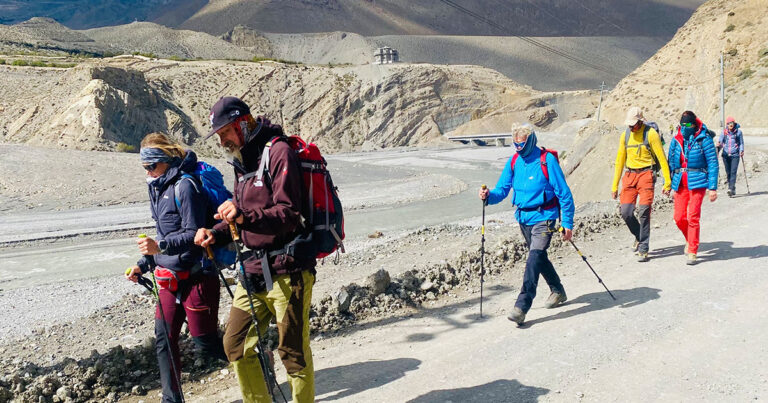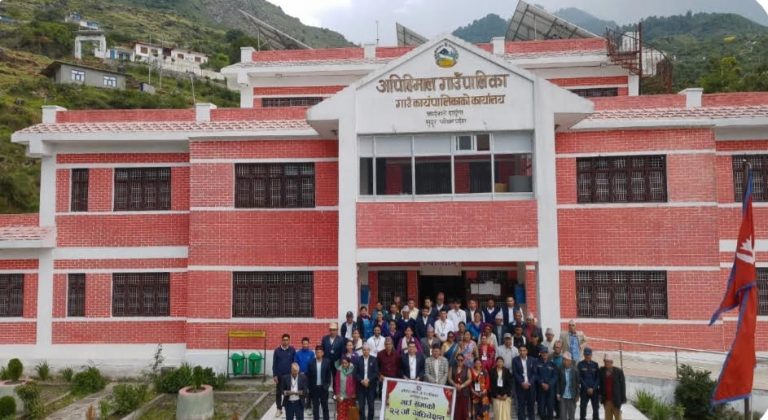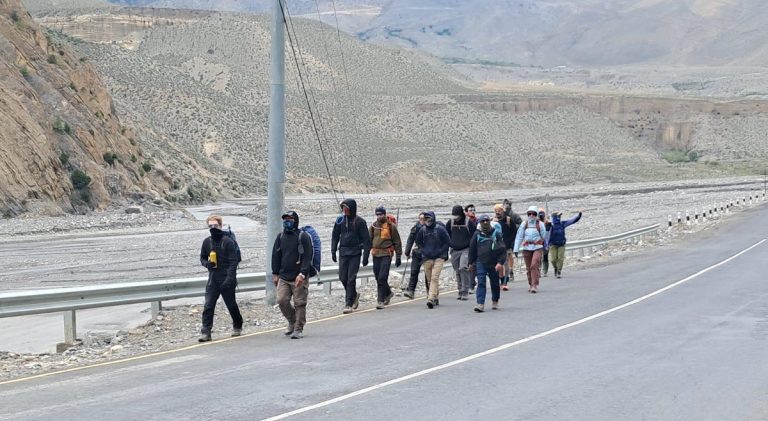
Nepal, with its breathtaking landscapes, rich cultural heritage, and diverse ecosystems, stands as a prime destination for travelers from around the globe. However, the rise in tourism poses significant challenges, necessitating a shift towards more sustainable practices.
Responsible tourism, which emphasizes environmental conservation, cultural preservation, and socio-economic benefits, emerges as a crucial strategy for ensuring Nepal’s long-term appeal and prosperity. This approach brings forth numerous benefits that positively impact both the country and its visitors.
One of the foremost benefits of responsible tourism in Nepal is environmental conservation. Nepal’s diverse ecosystems, ranging from the lush subtropical forests of the Terai to the alpine meadows of the Himalayas, are home to a vast array of flora and fauna, including endangered species such as the Bengal tiger and the red panda.
Responsible tourism practices, such as minimizing waste, reducing carbon footprints, and supporting conservation projects, help protect these natural habitats. Initiatives like eco-friendly trekking routes and wildlife conservation programs ensure that tourism does not come at the cost of environmental degradation. For instance, the Annapurna Conservation Area Project (ACAP) and the Sagarmatha National Park are successful examples where responsible tourism has contributed to the preservation of natural resources and biodiversity.
Nepal’s rich cultural tapestry, woven from a multitude of ethnic groups, languages, and traditions, is another significant beneficiary of responsible tourism. Tourism can sometimes lead to the erosion of cultural values and traditions as communities adapt to meet tourists’ demands. However, responsible tourism encourages the preservation and promotion of local cultures.
By engaging in cultural tourism activities, such as homestays, cultural tours, and participation in local festivals, tourists can experience authentic Nepali culture while supporting the preservation of traditional practices. Moreover, responsible tourism fosters respect for local customs and promotes cultural exchange, ensuring that Nepal’s cultural heritage remains vibrant and intact.
The economic benefits of responsible tourism are manifold. By promoting locally-owned businesses, such as guesthouses, restaurants, and handicraft shops, responsible tourism ensures that the economic gains from tourism are distributed more equitably among the local population. This approach helps in alleviating poverty and improving living standards in remote and marginalized communities.
Furthermore, responsible tourism creates employment opportunities in various sectors, including hospitality, transportation, and guiding services. Training and capacity-building programs for residents enhance their skills and enable them to participate actively in the tourism industry. For example, community-based tourism initiatives in areas like Ghalegaun and Sirubari have successfully generated income for local communities while offering tourists a unique and immersive experience.
Responsible tourism aligns with the principles of sustainable development, balancing the needs of the present without compromising the ability of future generations to meet their own needs. By integrating sustainability into tourism planning and management, Nepal can ensure that its tourism industry grows in a way that is environmentally, socially, and economically sustainable.
Responsible tourism practices, such as promoting renewable energy, implementing waste management systems, and supporting sustainable agriculture, contribute to the overall development goals of the country. Moreover, sustainable tourism infrastructure, such as eco-lodges and green transportation options, enhances the overall visitor experience while minimizing the environmental impact.
For tourists, responsible tourism offers a richer and more meaningful travel experience. Visitors who engage in responsible tourism activities often report a deeper connection with the destination and a greater understanding of its cultural and natural heritage.
Participating in conservation projects, volunteering in community development initiatives, or simply choosing eco-friendly accommodations allows tourists to give back to the places they visit. This sense of contribution and involvement often leads to a more fulfilling travel experience, creating lasting memories and fostering a sense of global citizenship. Furthermore, responsible tourism promotes mindful travel, encouraging tourists to appreciate the beauty and uniqueness of Nepal while minimizing their environmental footprint.
Responsible tourism also plays a crucial role in building resilience within local communities. By diversifying the sources of income and reducing dependency on traditional forms of livelihood, such as agriculture, communities become more resilient to economic fluctuations and environmental changes. Responsible tourism initiatives often include capacity-building programs that equip residents with new skills and knowledge, enabling them to adapt to changing circumstances.
Additionally, the development of sustainable tourism infrastructure, such as improved sanitation facilities and renewable energy systems, enhances the overall resilience of communities. In times of crisis, such as natural disasters or pandemics, the existence of a well-managed and responsible tourism sector can provide a vital source of income and support for affected communities.
Responsible tourism in Nepal also contributes to promoting global awareness about environmental and social issues. By showcasing the challenges and successes of conservation efforts and sustainable development initiatives, responsible tourism can inspire and educate visitors.
Tourists who witness firsthand the impact of responsible tourism practices are more likely to adopt similar principles in their travels and advocate for sustainable practices in their home countries. This ripple effect can lead to a broader movement towards responsible tourism globally, creating a positive impact that extends beyond Nepal’s borders.
While the benefits of responsible tourism in Nepal are clear, several challenges remain. Ensuring the widespread adoption of responsible tourism practices requires the collaboration of multiple stakeholders, including government agencies, private sector operators, local communities, and tourists themselves.
Effective policies and regulations, combined with education and awareness campaigns, are essential to promote responsible tourism at all levels. Additionally, addressing issues such as infrastructure development, capacity building, and equitable benefit-sharing is crucial for the long-term success of responsible tourism.
Looking ahead, the future of responsible tourism in Nepal lies in innovative approaches and continued commitment to sustainability. Embracing technology, such as digital platforms for sustainable tourism management and marketing, can enhance the efficiency and reach of responsible tourism initiatives.
Furthermore, fostering partnerships between local communities, conservation organizations, and the private sector can lead to more impactful and sustainable tourism models. As Nepal continues to develop its tourism industry, prioritizing responsible tourism will ensure that the country’s natural and cultural treasures are preserved for generations to come.
Responsible tourism in Nepal offers a myriad of benefits, from environmental conservation and cultural preservation to economic empowerment and sustainable development. By embracing responsible tourism practices, Nepal can ensure that its tourism industry grows in a way that is beneficial for both the country and its visitors.
The enhanced tourist experience, increased resilience of local communities, and promotion of global awareness further underscore the importance of responsible tourism. As Nepal navigates the challenges and opportunities of the tourism sector, a continued focus on sustainability and responsibility will be key to achieving long-term success and preserving the country’s unique heritage for future generations.