Atithi Resort and Spa Public Limited (ARPL) has made a major expansion into the premium hospitality segment with the acquisition of 20 luxury service apartment units for Rs 694 million (Rs 69.4 crore) in Pokhara, as the four-star resort seeks to capitalize on the recovery of Nepal’s tourism industry and rising demand for quality accommodation. According to a September 2026 rating report issued by CARE Ratings Nepal Limited, the acquisition process was completed in June 2026, with the company financing only a relatively small portion of the investment through debt and funding the majority through promoter equity.
The total acquisition cost of the 20 luxury units stood at Rs 694 million, of which Rs 101 million was financed through debt while the remaining Rs 593 million was funded through promoter infusion. The expansion marks a significant move for the company, which has traditionally operated a 50-room mid-scale resort in Pokhara, and is expected to allow it to serve premium customers seeking larger and more upscale accommodation in one of Nepal’s most important tourism destinations.

20 Luxury Units Added to Existing Hospitality Operation
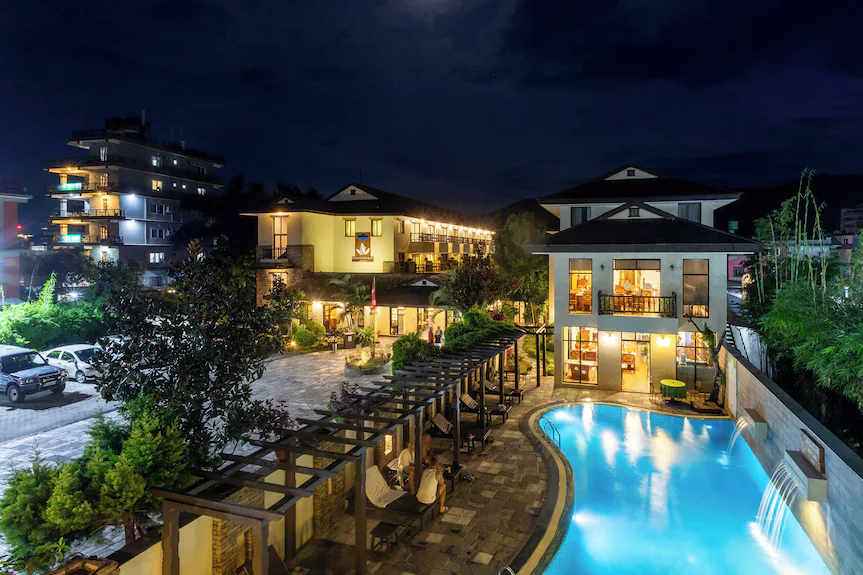
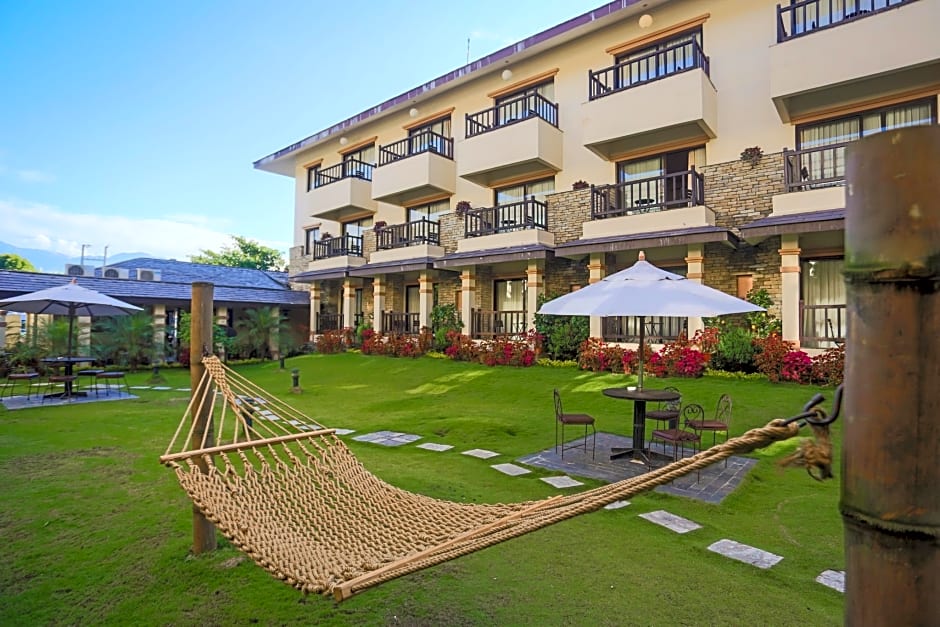
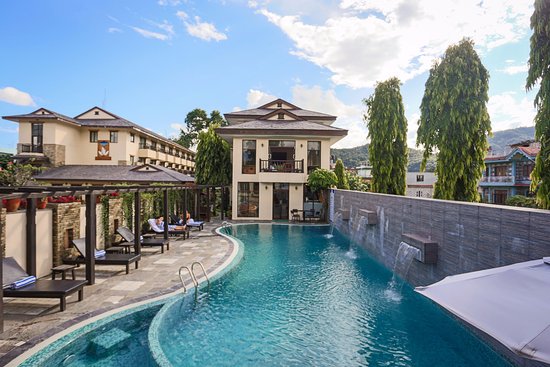
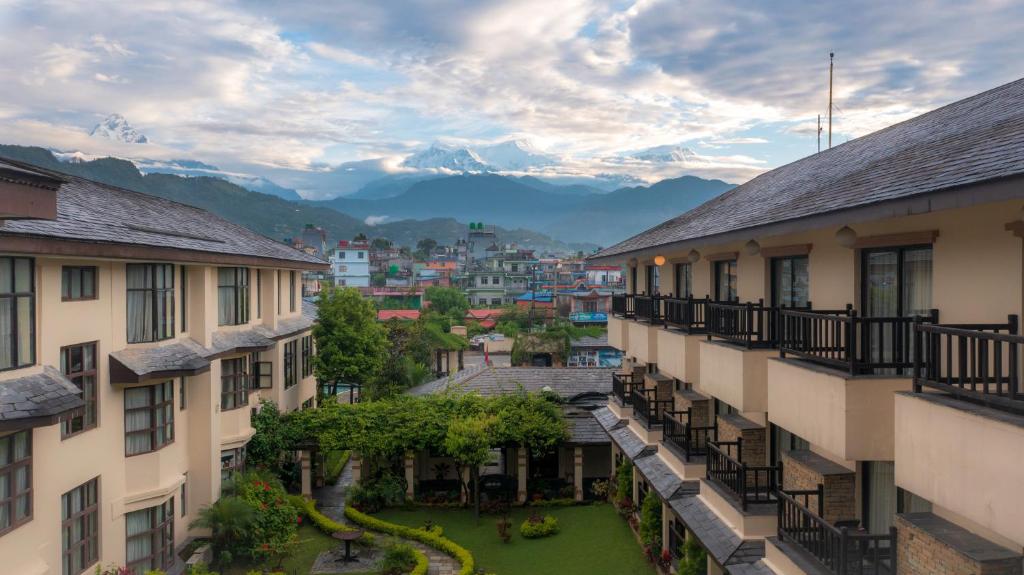
Established on October 12, 2011, under the Company Act, 2063, Atithi Resort and Spa operates a four-star property in Pokhara, Kaski. The resort has been running with 50 rooms and offers a range of hospitality facilities, including restaurants, a conference hall, gym and health club, swimming pools and spa services. The company has now expanded its accommodation portfolio by acquiring 20 luxury service apartment units operated under Atithi Suites Private Limited, another hospitality business associated with the promoters.
The acquisition is intended to cater to premium clients and diversify the company’s accommodation offerings. CARE Ratings Nepal has noted that the acquisition could help push the company’s income profile upward because it has been funded predominantly through equity rather than significant additional borrowing. However, the rating agency has also identified a stabilization risk associated with the newly acquired luxury units, as the company’s ability to attract customers, achieve the targeted occupancy level and maintain the expected Average Room Rate will determine whether the investment delivers the anticipated financial benefits. The company will therefore need to establish the premium units in a highly competitive hospitality market while maintaining the service standards expected by higher-end travellers.
Revenue Continues to Grow Despite Margin Pressure
Atithi Resort’s operating income has recorded steady growth over the past three fiscal years. According to CARE Ratings, income from operations increased from Rs 93 million in FY2024 to Rs 119 million in FY2025 and further to Rs 147 million in FY2026. The growth indicates an expansion in the company’s operating scale despite the challenges facing Nepal’s hospitality industry. However, profitability margins came under pressure during FY2026.
The company’s PBILDT margin declined significantly to 17.74% in FY2026 from 31.10% in FY2025. CARE Ratings attributed part of the pressure to the company’s food and beverage segment, which accounted for around 38% of total operating income during FY2026. According to the rating agency, intense competition within the hospitality sector limited the company’s ability to increase prices in line with inflationary pressures, affecting margins and gross cash accruals. The development highlights the challenge faced by hotels and resorts in increasing revenues while simultaneously managing operating costs in a competitive market where customers have a wide range of accommodation and dining options.
Equity-Funded Expansion Keeps Gearing Low
Despite undertaking a substantial Rs 694 million acquisition, Atithi Resort’s capital structure remained relatively conservative due to significant promoter equity support. Atithi Resort and Spa Public Limited (ARPL)’s overall gearing ratio improved to 0.29 times as of mid-July 2026, compared with 0.72 times a year earlier. CARE Ratings attributed the improvement mainly to an equity infusion of Rs 297 million during FY2026. The low gearing indicates that the company’s expansion has not resulted in a proportionate increase in financial leverage.
The acquisition itself was also structured with a relatively limited debt component, with only Rs 101 million of the total Rs 694 million purchase cost financed through debt. This equity-heavy funding structure is viewed positively from a financial risk perspective because the newly acquired units can potentially increase revenue without placing a significant additional interest burden on the company. Nevertheless, the company’s ability to generate sufficient cash from the expanded operation will remain important, particularly as it seeks to stabilize the premium service apartment segment.
Debt Coverage Indicators Require Attention
While Atithi Resort and Spa Public Limited (ARPL)’s gearing position has improved, some of its debt coverage indicators weakened during FY2026. The interest coverage ratio declined to 1.77 times from 2.95 times in FY2025, primarily due to the reduction in operating margins. Total debt to gross cash accruals also increased substantially to 42.95 times in FY2026, compared with 8.43 times in FY2025. CARE Ratings has therefore highlighted the importance of improving occupancy, average room rates, profitability and cash generation on a sustained basis.
Atithi Resort and Spa Public Limited (ARPL)’s future financial performance will depend not only on the additional revenue generated by the 20 luxury units but also on its ability to maintain healthy margins and generate sufficient operating cash flow. The rating agency has identified the company’s ability to improve occupancy and ARR while maintaining healthy profit margins and strengthening cash accruals and debt-service indicators as key factors that could influence its future rating profile.
CARE Reaffirms ‘CARE-NP BB+’ Rating
CARE Ratings Nepal has reaffirmed the issuer rating of Atithi Resort and Spa Public Limited at ‘CARE-NP BB+’. The rating indicates a moderate level of risk regarding the timely servicing of financial obligations. In reaffirming the rating, CARE Ratings considered the company’s established operating history, experienced promoters and directors, strategic location and improved capital structure, while also taking into account the risks associated with the recently acquired luxury service apartments.
The rating agency has specifically pointed to stabilization risk in the premium accommodation segment, intense competition in Nepal’s hospitality industry, exposure to floating interest rates and revenue concentration arising from the company’s dependence on a single property. These factors could affect the company’s financial performance if tourist demand weakens or operating costs and borrowing rates increase significantly.
More Than a Decade of Hospitality Experience
Atithi Resort has more than a decade of experience in Nepal’s hospitality industry since its establishment in 2011. The company is managed by promoters and directors with experience in tourism, hospitality, trading and real estate. The resort is chaired by Moti Prasad Poudel, who has experience in tourism, trading and real estate and also serves as chairman of Atithi Suites Private Limited.
CARE Ratings has identified the company’s long operating track record and the experience of its promoters as important strengths. The experience gained through operating a mid-scale hospitality property could support the company as it moves into the premium accommodation segment, although the luxury service apartment business will require the company to attract a different customer segment and maintain higher service expectations.
Pokhara Location Strengthens Premium Tourism Potential
The resort’s location in Pokhara provides another strategic advantage as the city remains one of Nepal’s most important tourism hubs. Atithi Resort is situated around 3–4 kilometres from Pokhara International and Domestic Airport, providing convenient access for domestic and international travellers. Pokhara is surrounded by major natural and cultural attractions and serves as a gateway to several popular trekking and pilgrimage destinations.
Phewa Lake, Sarangkot, Devi’s Falls and the World Peace Pagoda are among the city’s major attractions, while trekking routes including Ghandruk, the Annapurna Circuit and Ghorepani-Poon Hill bring adventure travellers to the region. Pokhara also provides access to western Nepal destinations such as Muktinath and Baglung Kalika. The city’s combination of natural scenery, adventure activities, religious tourism and increasing air connectivity provides a broad customer base for hotels and resorts operating in the area. For Atithi Resort, the location could support the newly expanded premium accommodation segment by enabling it to target leisure travellers, families, business visitors and higher-spending tourists.
Nepal’s Tourism Recovery Creates Expansion Opportunity
The expansion comes amid a continued recovery in Nepal’s tourism sector following the severe disruption caused by the COVID-19 pandemic. International tourist arrivals reached around 1.20 million in calendar year 2019, before falling sharply during 2020 and 2021 due to international travel restrictions and border closures. Visitor numbers subsequently recovered, reaching around 1.16 million in 2025, close to the pre-pandemic peak.
Although Nepal’s tourism industry faced temporary disruption in September 2025 due to nationwide protests and civil unrest, which affected transportation, airport operations and hotel bookings, arrivals subsequently recovered. During the first seven months of 2026, Nepal recorded 692,228 international tourist arrivals, representing a 6.8% year-on-year increase. The continued recovery in international arrivals, together with domestic tourism activity, is creating opportunities for hotels and resorts to increase occupancy and expand their services.
Government Support Strengthens Tourism Outlook
Tourism remains a major pillar of Nepal’s economy and continues to receive policy support from the government through measures aimed at encouraging investment in the sector. Hotels and resorts benefit from various incentives, including tax concessions and access to priority-sector lending from banks and financial institutions. The government has also designated FY2023–FY2033 as Nepal’s Tourism Decade, with the broader objective of strengthening Nepal’s position as a global tourism destination.
According to CARE Ratings, continued government support, improving domestic and international connectivity and Nepal’s growing appeal as a destination for leisure, adventure and pilgrimage tourism provide a positive medium-term outlook for the hospitality industry. However, the sector remains exposed to fluctuations in tourist arrivals, changes in disposable income, geopolitical conflicts, natural disasters, disease outbreaks, political instability and other external shocks.
Competition and Interest Rates Remain Key Risks
Despite the positive tourism outlook, the hospitality sector remains highly competitive, with a large number of organized and unorganized hotels and accommodation providers operating across Nepal. CARE Ratings has noted that occupancy and revenue remain susceptible to both domestic and global economic conditions.
For Atithi Resort, the concentration of operations in a single Pokhara property means that any significant decline in tourism activity in the region could directly affect revenue and profitability. The company is also exposed to floating interest rates, as its borrowing costs are linked to bank base rates that can fluctuate depending on liquidity conditions in Nepal’s financial system. Any significant increase in interest rates could increase the company’s interest burden and put pressure on liquidity.

Premium Segment to Shape Future Growth
The successful operation of the newly acquired 20 luxury service apartment units is expected to be a major factor in Atithi Resort’s future growth trajectory. The company has invested Rs 69.4 crore in the expansion at a time when Nepal’s tourism industry is recovering and demand for quality accommodation is increasing. The fact that the investment has been financed primarily through promoter equity has helped keep the company’s gearing at a relatively low level, while the additional accommodation capacity could create a new source of revenue.
At the same time, the company will need to overcome the challenges of establishing the new premium units, attracting higher-paying customers, maintaining occupancy and achieving an adequate average room rate. With Pokhara’s strategic position as a major tourism and adventure hub, Atithi Resort’s latest expansion represents a significant move toward the premium hospitality market, with its future performance depending largely on how effectively the company converts the additional capacity into sustainable occupancy, revenue and cash generation.