Phewa Lake is experiencing increased boating activity as domestic and international visitors arrive in Pokhara during the autumn tourism season. Clear weather and improved views of the surrounding mountains have added to the lake’s appeal, making it a popular stop for travellers exploring the city.
The rise in activity follows the Dashain holiday period and comes as Nepal enters one of its main travel seasons. Visitors are gathering around the lakeside to enjoy boat rides, photograph the mountain scenery and visit Tal Barahi Temple, situated on an island in the lake. The growing movement of tourists has also brought renewed activity to businesses around Lakeside.
Boating Remains a Major Tourist Attraction
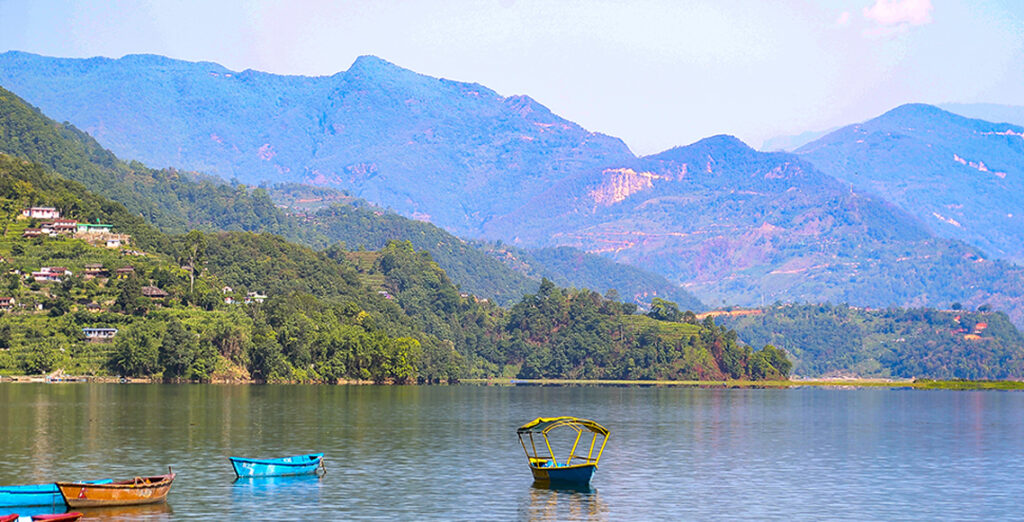
Estimates in the supplied report suggest that around 5,000 to 7,000 people take boat rides daily across Phewa Lake’s eight boating points. The lake’s traditional wooden boats remain a familiar feature of Pokhara’s tourism landscape, offering visitors a relaxed way to experience the water and surrounding scenery.
Local boating representatives have reported that approximately 767 wooden boats operate on the lake. Alongside boating, paddleboarding has also become a popular recreational activity in the Lakeside area. These water based experiences contribute to Pokhara’s appeal as a destination offering leisure, sightseeing and outdoor recreation in one place.

Local Tourism Businesses Benefit From Visitor Activity
Increased visitor movement around Phewa Lake creates opportunities for boat operators and other tourism related businesses. Hotels, restaurants, cafes, souvenir shops and transport providers in Lakeside can benefit when tourists spend more time exploring the area. Boating also provides a source of income for local operators, particularly during periods of stronger tourist demand.
Hotel Association Pokhara President Laxman Subedi has reported hotel occupancy reaching around 75 percent during the Dashain holiday period. Although hotel occupancy reflects the wider tourism situation rather than boating activity alone, the figures provide useful context for understanding the seasonal demand facing Pokhara’s tourism businesses.

Safety and Sustainable Management Remain Important
As boating and paddleboarding attract more visitors, maintaining safety standards and responsible management of the lake remains important. Recent reporting has highlighted concerns about water-sport regulation, including the need for proper registration, life jackets, safety briefings and effective monitoring of operators. Consistent enforcement can help protect visitors while supporting the long-term reputation of Phewa Lake as a recreational destination.
Tourism stakeholders have an opportunity to build on the lake’s popularity by improving visitor services, promoting responsible water activities and protecting the surrounding environment. With its scenic setting and central role in Pokhara’s tourism experience, Phewa Lake can continue to support local livelihoods while offering visitors a safe and memorable experience.