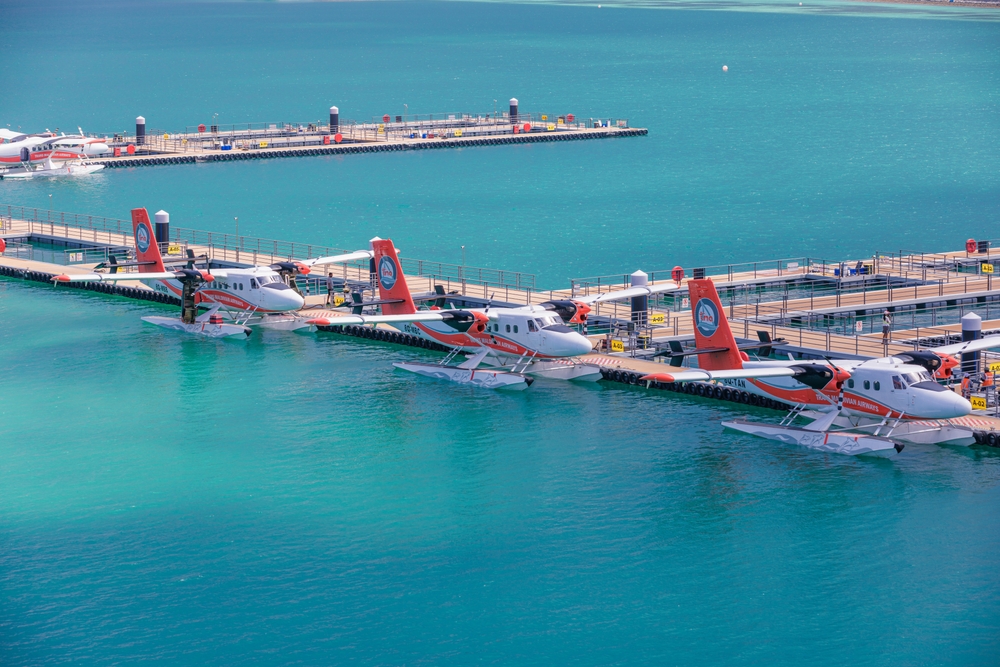
Trans Maldivian Airways (TMA) has welcomed its 68th de Havilland Canada DHC 6 Twin Otter seaplane, strengthening its capacity to transport international visitors to resorts across the Maldives. The development comes ahead of the country’s busy winter tourism season, when demand for transfers between the international airport and island resorts typically increases.
The addition reinforces Trans Maldivian Airways (TMA)’s position as the operator of the world’s largest seaplane fleet. The airline plays an important role in the Maldives’ tourism industry, where many luxury resorts are located on separate islands and require onward transportation by air or sea after visitors arrive in the capital region.
Seaplanes Connect Tourists With Island Resorts
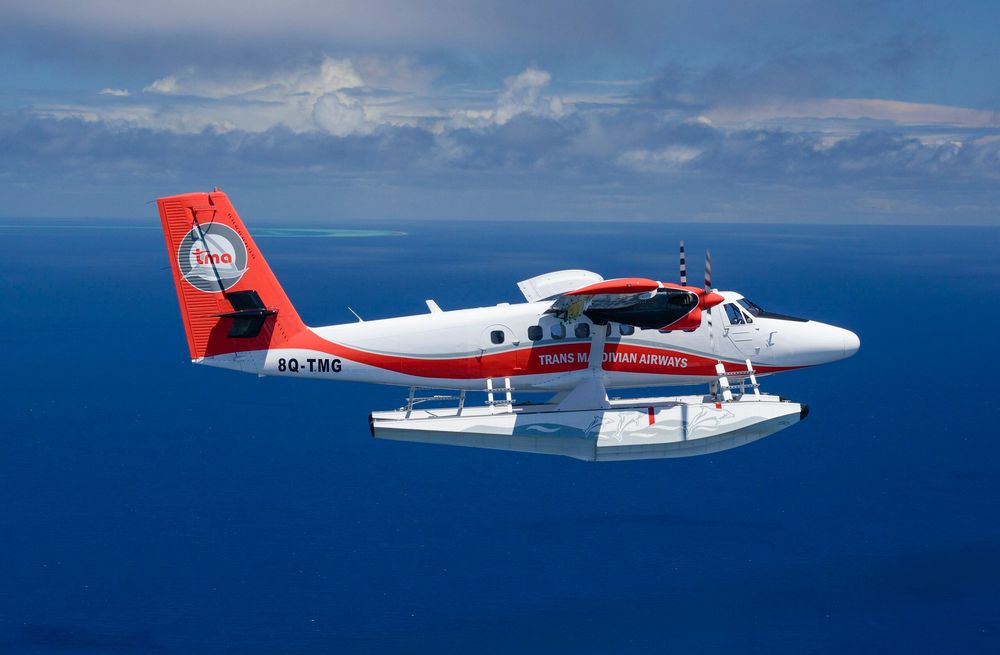
The Maldives is an archipelago made up of islands spread across the Indian Ocean, making transportation a central part of its visitor experience. Trans Maldivian Airways (TMA) operates seaplane services that connect travellers arriving at Velana International Airport with resorts located across different atolls, helping them reach their accommodation without relying solely on conventional airport connections.
The airline’s Twin Otter aircraft are designed for short takeoffs and landings and can operate from suitable bodies of water. This capability makes them particularly useful in the Maldives, where protected lagoons serve as arrival and departure points for resort transfers. For many visitors, the seaplane journey also provides an aerial view of the country’s turquoise waters, coral islands and resort landscapes.
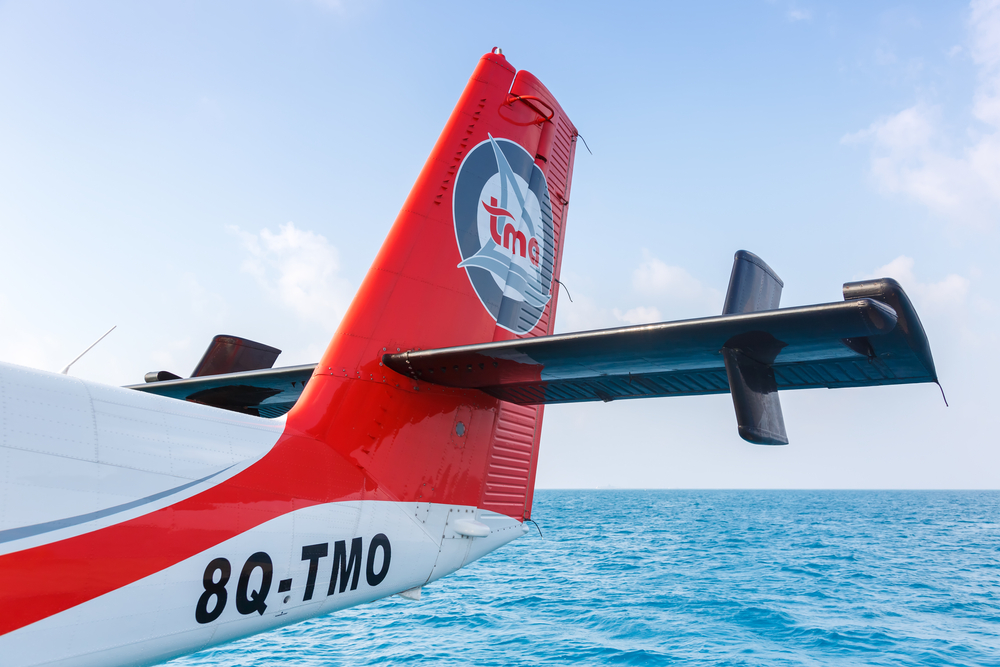
Expanded Fleet Supports Resort Transfers
Trans Maldivian Airways (TMA)’s official announcement states that the airline connects guests to more than 80 resorts across 16 atolls and operates up to 400 flights a day. Its extensive network makes the airline an important link between international arrivals and accommodation providers throughout the island nation.
Adding another aircraft can help strengthen the fleet available for daily operations, particularly during periods of higher travel demand. Fleet capacity of Trans Maldivian Airways (TMA) is one factor in maintaining transfer services, although actual schedules and passenger capacity also depend on operational requirements, weather conditions and resort demand.
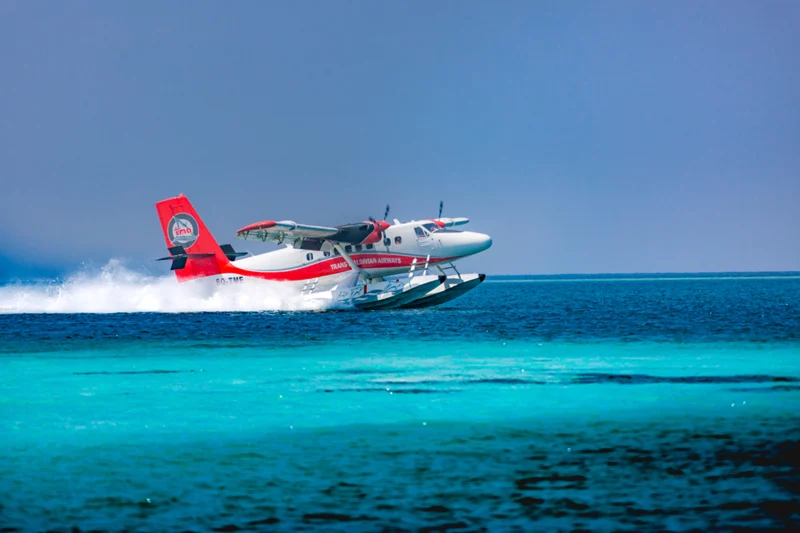
Aviation Infrastructure Remains Central to Tourism
The Maldives’ tourism model relies on coordinated transport between the international airport and geographically dispersed resorts. Seaplane services help make remote island properties accessible to international travelers, supporting the country’s resort based hospitality sector and its wider tourism economy.
Trans Maldivian Airways (TMA)’s latest fleet addition highlights the importance of specialised aviation infrastructure in destinations where geography shapes the visitor journey. As the Maldives prepares for its winter travel season, reliable connections between the airport and resort islands will remain an important part of delivering a smooth arrival experience for international tourists.