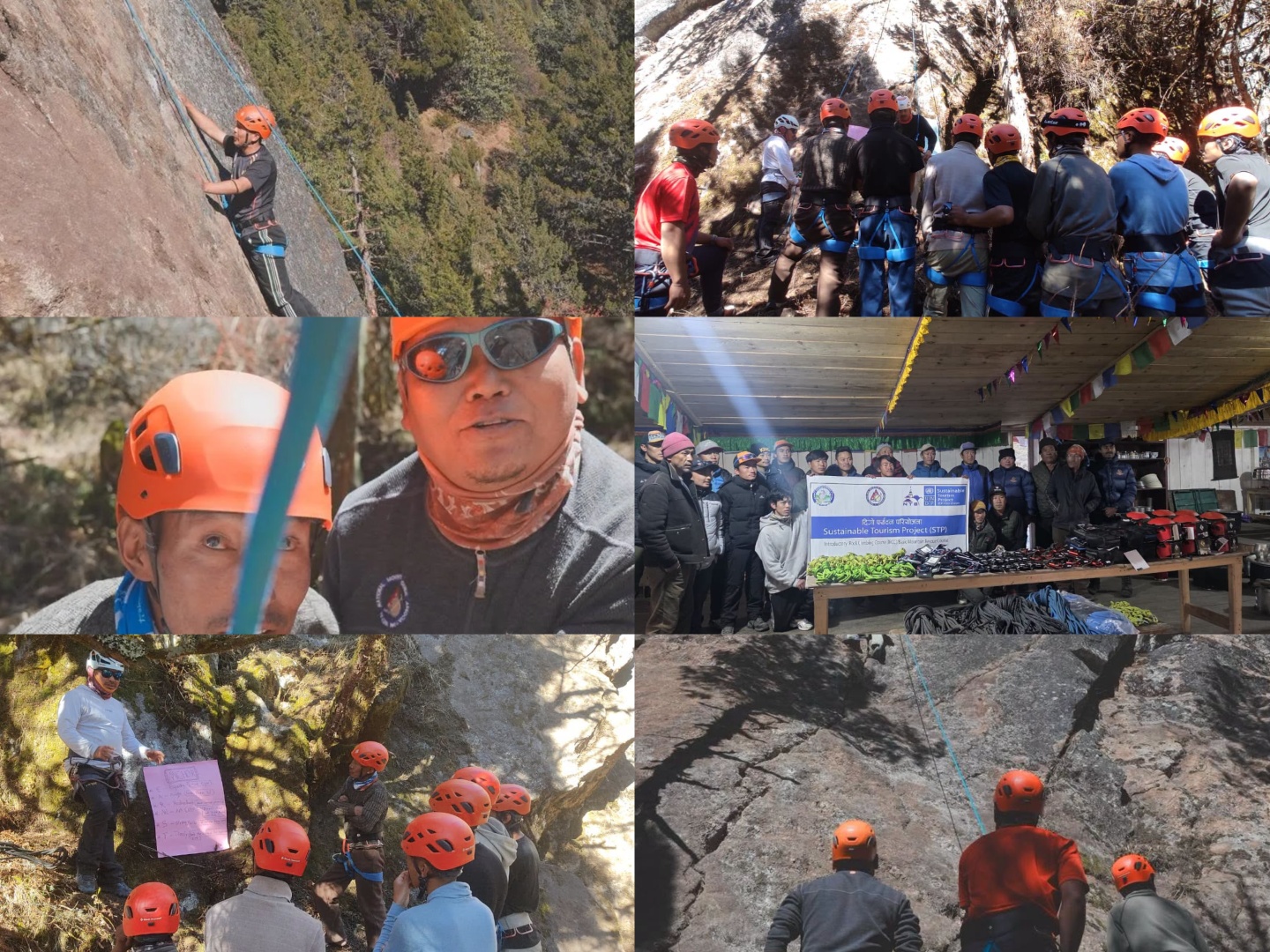
A new initiative aimed at strengthening adventure tourism and mountain safety in eastern Nepal has commenced in Ghunsa, Taplejung, with the launch of an Introductory Rock Climbing Course and Basic Mountain Rescue Course. The programme is designed to equip local participants with essential climbing skills, rescue knowledge and technical capabilities while supporting the development of adventure tourism in the Himalayan region.
The training is being conducted through a joint initiative of the UNDP/Sustainable Tourism Project (STP), implemented through the Nepal Tourism Board (NTB), Phaktalung Rural Municipality and Shreejunga Rural Municipality of Taplejung. The Nepal National Mountain Guide Association (NNMGA) is providing instructional and technical support for the programme. A total of 12 selected local trainees are participating in the courses, which aim to build local expertise in rock climbing and basic mountain rescue. The initiative is expected to contribute to the development of skilled human resources in the region, strengthen mountain safety practices and create opportunities for local communities to participate in Nepal’s growing adventure tourism sector.
Local Communities to Receive Rock Climbing and Rescue Skills
The Introductory Rock Climbing Course and Basic Mountain Rescue Course are intended to introduce selected participants to fundamental technical skills required for climbing activities and mountain rescue operations. Through the programme, local trainees are being provided with practical training and technical guidance to develop their understanding of climbing and rescue-related activities. The involvement of the Nepal National Mountain Guide Association brings professional expertise to the training, ensuring that the programme is supported by experienced mountain professionals. NNMGA representatives and course facilitators are working closely with the participants to deliver the training and support their learning process.
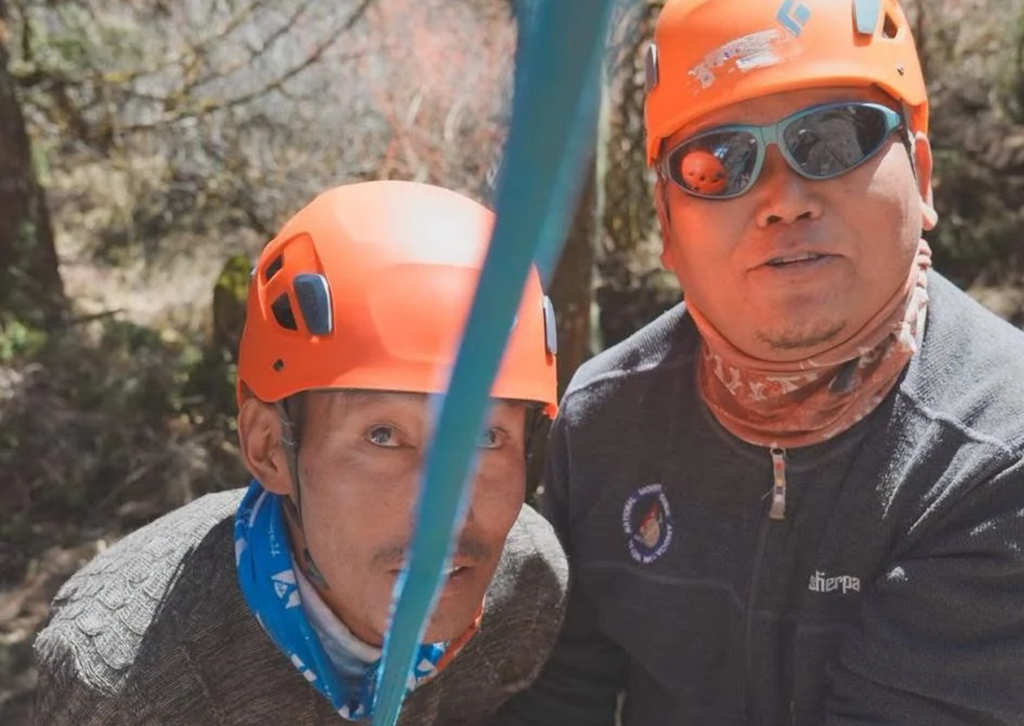
The programme is particularly significant for communities in Taplejung, where mountainous landscapes, trekking routes and natural attractions offer considerable potential for adventure tourism. Developing local skills in climbing and mountain rescue can help strengthen tourism services while increasing the participation of residents in tourism-related activities. The training also represents an important step towards developing local human resources capable of supporting adventure tourism activities in the region. By providing technical knowledge and practical skills to residents, the programme seeks to create a foundation for future tourism development that benefits local communities.
Rock Climbing Equipment Handover and Professional Training Support
As part of the programme, rock climbing and mountain rescue equipment is being formally handed over to the selected trainees. The equipment handover is being conducted by NNMGA representative and course coordinator Lhakpa Rangdu Sherpa, supporting the participants’ access to the necessary tools for their training activities. The equipment provision is an important component of the initiative, as access to appropriate climbing and rescue gear is essential for practical learning and the development of climbing activities. The programme combines equipment support with technical instruction, enabling participants to gain exposure to the skills and tools associated with rock climbing and mountain rescue.
Lhakpa Rangdu Sherpa is accompanied by course facilitators Pasang Rinzee Sherpa and Lakpa Dorji Thapa Magar, who are assisting in the delivery of the training. Their involvement provides additional technical support to the selected participants throughout the programme. The collaboration between tourism development institutions, local governments and mountain professionals reflects a coordinated approach to strengthening adventure tourism infrastructure and human resources in the region.
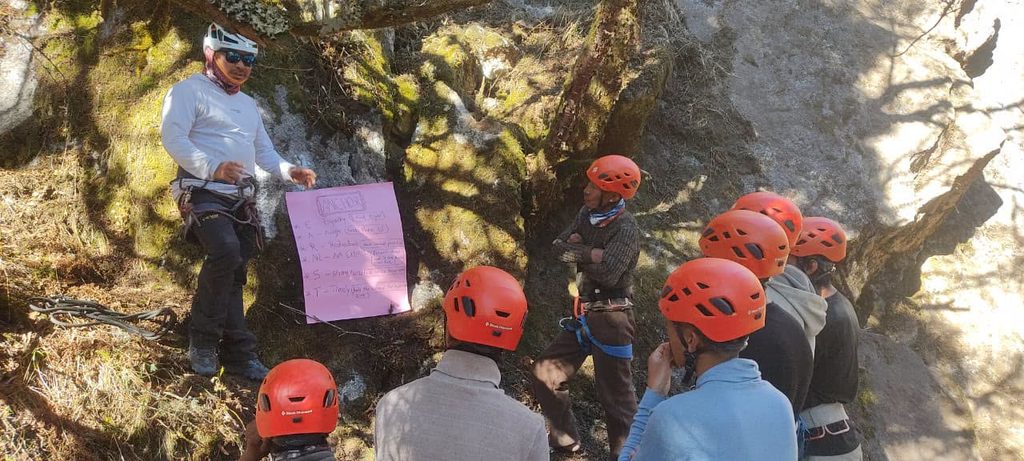
Professional Rock Climbing Site Being Developed in Ghunsa
Alongside the training programme, a professional rock climbing site is being developed in the region to support future climbing activities and tourism development. The development of a dedicated climbing site is expected to provide a foundation for promoting rock climbing as an additional adventure tourism activity in Taplejung. Rock climbing has the potential to diversify Nepal’s adventure tourism offerings beyond trekking, mountaineering and other established outdoor activities. Developing suitable climbing locations, trained local personnel and access to technical equipment can help introduce new experiences for domestic and international adventure travellers.
The development of the climbing site, combined with the ongoing training programme, represents a broader effort to establish the necessary infrastructure and skills for adventure tourism in Ghunsa. The initiative aims to support future climbing activities while encouraging the development of tourism opportunities that are connected to local communities. The involvement of Phaktalung Rural Municipality and Shreejunga Rural Municipality also highlights the role of local governments in identifying tourism opportunities and supporting initiatives that strengthen the tourism potential of their respective areas.
Strengthening Sustainable and Community-Based Adventure Tourism
The initiative is being implemented under the UNDP/STP Project through the Nepal Tourism Board, with the participation of local governments and technical support from NNMGA. The collaboration brings together tourism development institutions, local authorities and mountain professionals to support the development of adventure tourism in Taplejung. Building local capacity in rock climbing and mountain rescue is an important element of sustainable tourism development, particularly in mountain destinations where tourism activities require specialised skills and safety awareness.
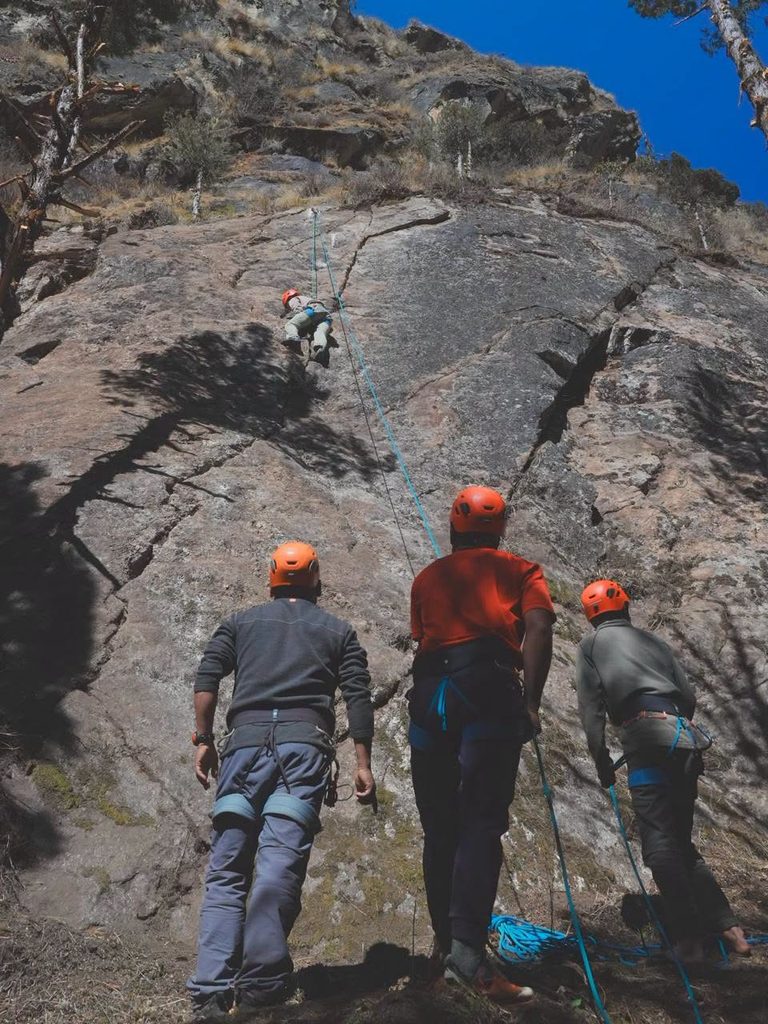
Training local residents can help create opportunities for community participation in tourism while contributing to the development of tourism services and expertise within the destination. Ghunsa and the surrounding areas of Taplejung are situated in a region known for its Himalayan landscapes and potential for nature-based and adventure tourism. Initiatives such as climbing training and the development of professional climbing sites can help diversify tourism activities, attract adventure enthusiasts and create additional opportunities for local tourism enterprises.
The programme is expected to support the long-term development of adventure tourism in the region by combining technical training, equipment support, infrastructure development and local participation. By investing in the skills of local people and developing new tourism activities, the initiative aims to strengthen Taplejung’s potential as an emerging adventure tourism destination in eastern Nepal. The training programme marks a positive step towards expanding Nepal’s adventure tourism offerings while promoting local capacity building, mountain safety and sustainable tourism development in the Himalayan region.