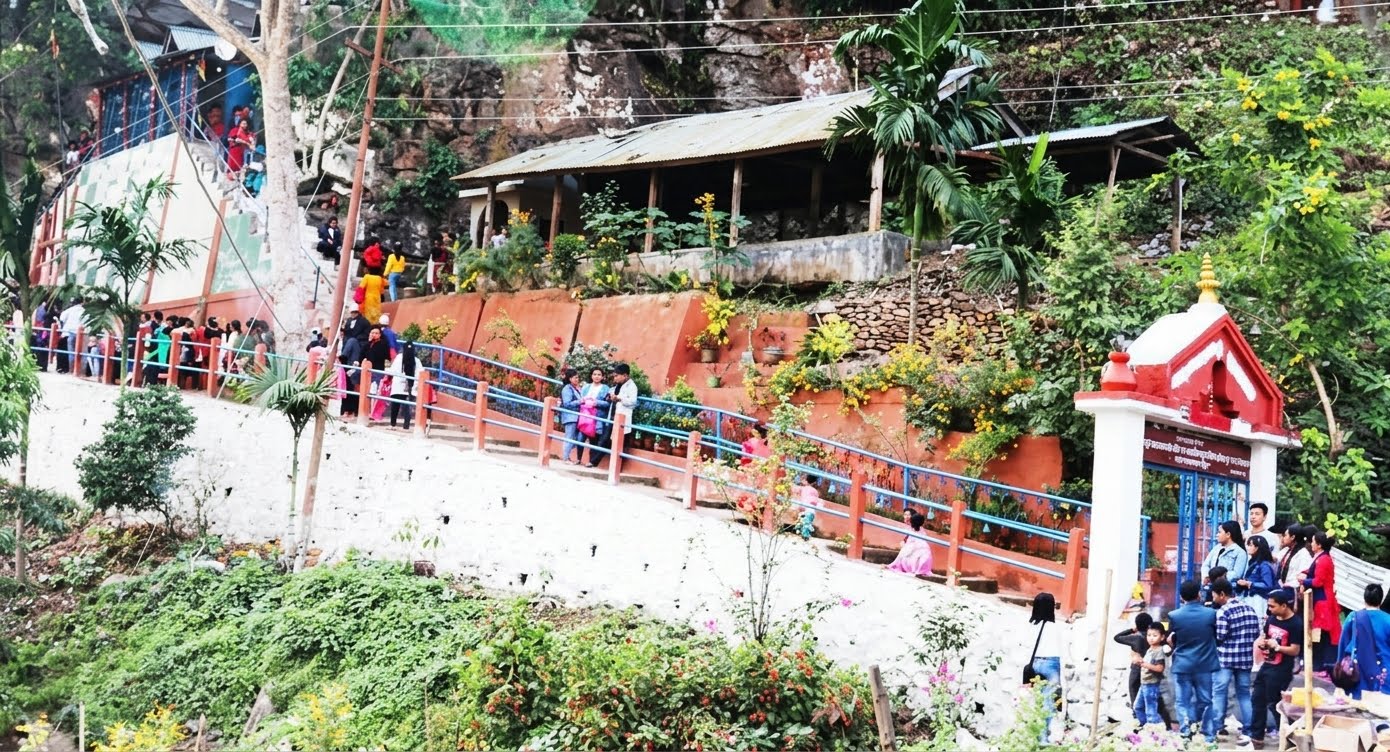
Gajurmukhi Dham, a renowned religious destination in Ilam district of eastern Nepal, has witnessed a growing influx of pilgrims as devotees gather to worship the goddess and fulfil their religious vows ahead of the traditional Gajurmukhi Religious Fair held during Kartik Purnima. The increasing number of visitors has highlighted the destination’s growing importance as a religious tourism attraction in eastern Nepal.
Located in Mangsebung Rural Municipality–1, Gajurmukhi Dham has been receiving hundreds of devotees daily from different parts of eastern Nepal and neighbouring Indian regions. The religious site has become particularly busy in recent weeks, with pilgrims arriving to offer prayers, perform rituals, and participate in the annual religious fair. According to temple priest Santosh Basnet, the number of devotees visiting the shrine has increased significantly ahead of the fair, with approximately 500 pilgrims visiting the dham every day over the past week. The traditional religious fair, which begins on the occasion of Kartik Purnima, is expected to attract a large number of devotees and visitors.
Growing Pilgrim Arrivals from Nepal and India
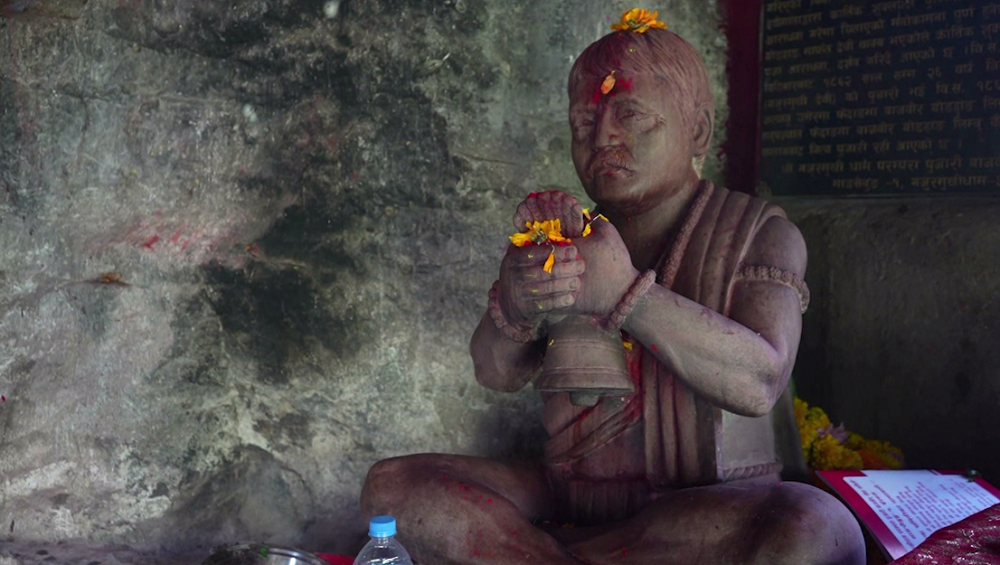
Gajurmukhi Dham has been attracting religious visitors from various parts of eastern Nepal as well as neighbouring Indian states for the past two months. Pilgrims from Sikkim, Darjeeling, Mirik, Kurseong, Assam, Kalimpong and other locations across India have been visiting the shrine in significant numbers, contributing to the growing religious tourism activity in the region. The shrine holds considerable religious significance among devotees, who believe that worshipping the goddess and fulfilling vows at Gajurmukhi Dham can bring blessings and fulfil their wishes. According to local religious beliefs, devotees who visit the temple and offer prayers may receive blessings for prosperity, happiness and well-being.
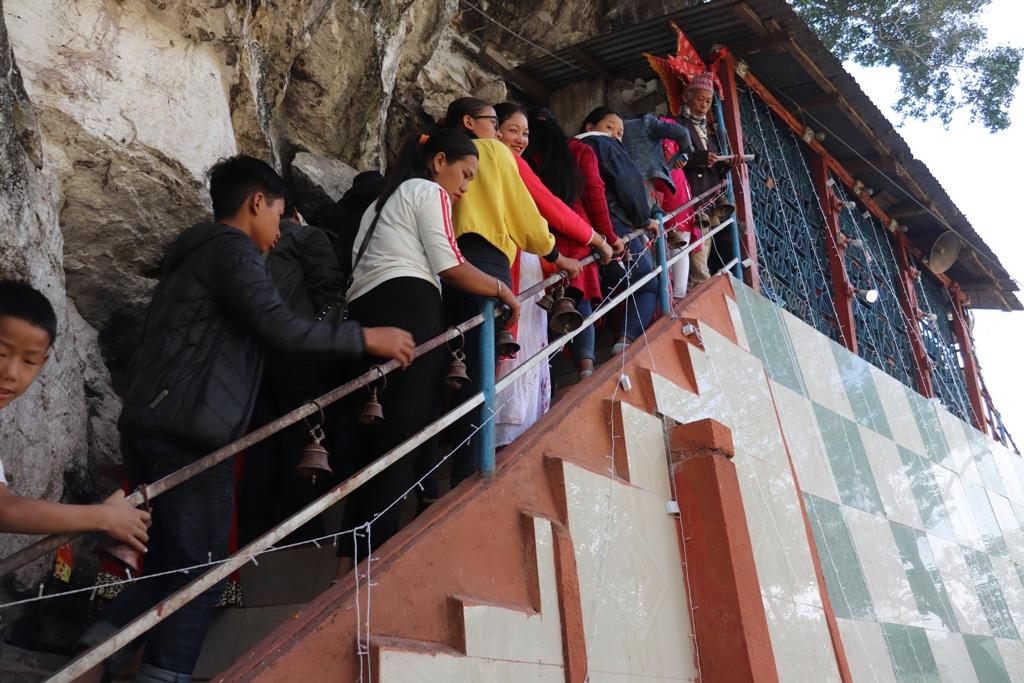
The site is particularly associated with beliefs regarding the fulfilment of wishes related to speech and childbirth. Devotees believe that worshipping the goddess may help individuals who have difficulty speaking and couples seeking children. Although these beliefs have not been scientifically verified, they remain an important part of the shrine’s religious traditions and continue to attract pilgrims. The number of visitors generally increases during the religious season from September to May, with Saturdays and Tuesdays considered particularly busy days. The annual fair during Kartik Purnima further enhances the attraction of Gajurmukhi Dham, bringing together pilgrims, religious visitors and people interested in local traditions and cultural activities.
Traditional Gajurmukhi Religious Fair Preparations Underway
Preparations for the traditional Gajurmukhi Religious Fair have been intensified to welcome pilgrims and visitors during the two-day celebration on Tuesday and Wednesday. The fair, which has been organised for hundreds of years during Kartik Purnima, is an important religious and cultural event for the local community and devotees from neighbouring regions. A 13-member main organising committee has been formed under the chairmanship of Surendra Nembang, president of the local Gajurmukhi Dham Tourism Development Centre, with the coordination of Mangsebung Rural Municipality Ward No. 1. The committee is working to manage the religious fair and ensure that visitors can participate in the celebrations in an organised manner.
The annual event will feature worship and rituals at Gajurmukhi Devi’s shrine, cultural performances, traditional displays representing different local ethnic communities, and various sporting competitions. These activities are expected to provide visitors with opportunities to experience the religious traditions and cultural diversity of the region while visiting the shrine. The Gajurmukhi Gold Cup football tournament, one of the sporting activities organised as part of the fair, began on Mangsir 3. Mangsebung Rural Municipality has provided financial assistance of Rs. 150,000 for the tournament, according to fair organising committee chairman Surendra Nembang.
Visitor Facilities and Accommodation Arrangements
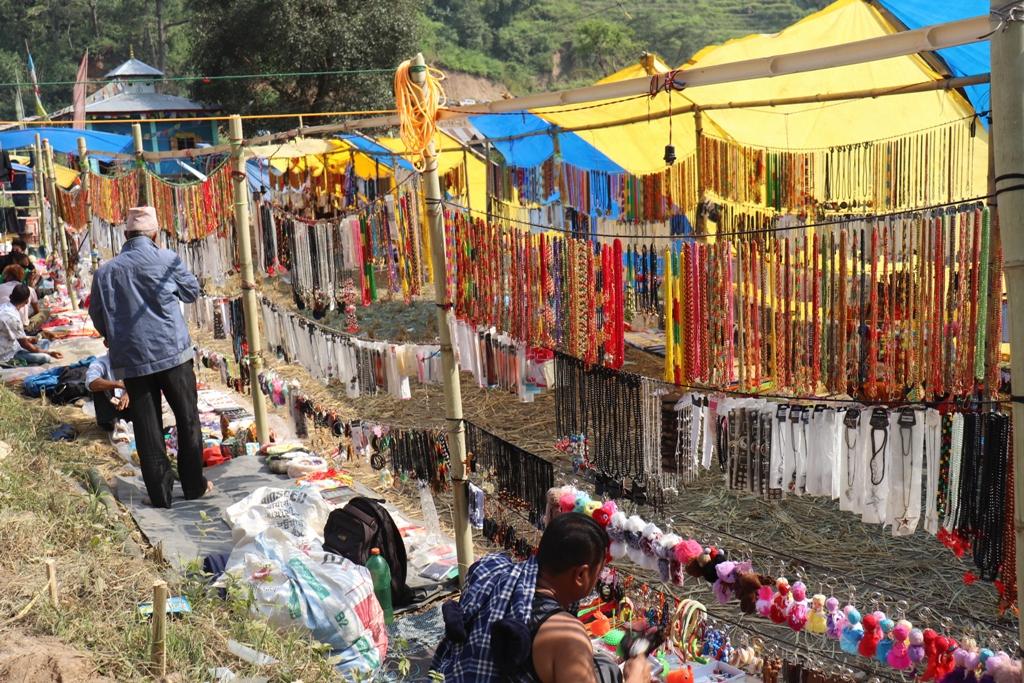
The fair organising committee has been making arrangements for security, publicity, nighttime worship, accommodation and food services to facilitate the growing number of pilgrims. Temporary structures and tents are being established around the dham to accommodate visitors and support local hotel and food businesses during the festival period. Local entrepreneurs are preparing to operate temporary hospitality services, including food stalls and accommodation facilities, to meet the needs of pilgrims arriving from distant locations. These arrangements are expected to support visitors who wish to stay overnight and participate in religious activities throughout the fair.
The organising committee has also prioritised visitor convenience and accessibility, with arrangements being made to ensure that pilgrims can reach the shrine and participate in the celebrations comfortably. The growing number of visitors during the religious season has created opportunities for local businesses, particularly those involved in accommodation, food services, transportation and other tourism-related activities. The fair also provides an opportunity to promote Gajurmukhi Dham as a destination beyond its religious significance, introducing visitors to the surrounding landscape, local communities and cultural heritage of Mangsebung and Ilam.
Road Connectivity and Religious Tourism in Ilam
Gajurmukhi Dham is located approximately 40 kilometres west of Ilam Bazaar and can be accessed through several road routes from different parts of eastern Nepal. Road connectivity to the destination has improved, making it more accessible for domestic pilgrims and visitors from neighbouring Indian regions. Visitors travelling from Ilam can reach Mangsebunge through the Ilam–Nepaltar–Mangalb are–Dhuse ni road route, which includes approximately 30 kilometres of paved road up to Mangalb are, followed by an unpaved road section leading to Gajurmukhi Dham.
The shrine can also be reached from Damak in Jhapa through the Damak–Chisapani road, also known as Falgunanda Marg, via Chature in Mangsebung. The route includes approximately 29 kilometres of unpaved road followed by around 14 kilometres of paved road. Visitors can also access the destination from Ranke in Panchthar through the Ranke–Gaide road and from Ravi through the Hulake–Nangrung–Gajurmukhi Dohan road. Gajurmukhi Dham is among the important religious and tourist destinations of Ilam, which is widely recognised for its natural landscapes, cultural heritage and religious attractions. Visitors travelling to Ilam for religious purposes frequently include Gajurmukhi Dham in their itineraries.
Other religious destinations in the district, including Mai Pokhari, Sano Pathibhara, Mangsebung and Mangmalung, have also begun receiving increased numbers of devotees during the religious season. The growing activity across these destinations highlights the potential of Ilam to develop religious tourism circuits that connect multiple shrines and cultural attractions. The annual Gajurmukhi Religious Fair, along with the rising number of pilgrims visiting the shrine throughout the year, is expected to further strengthen Ilam’s position as an important destination for religious and cultural tourism in eastern Nepal.
Source-RSS