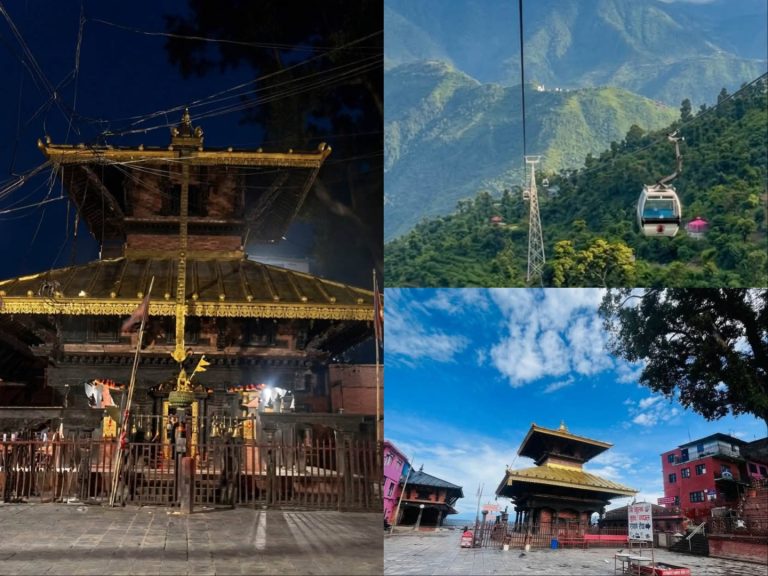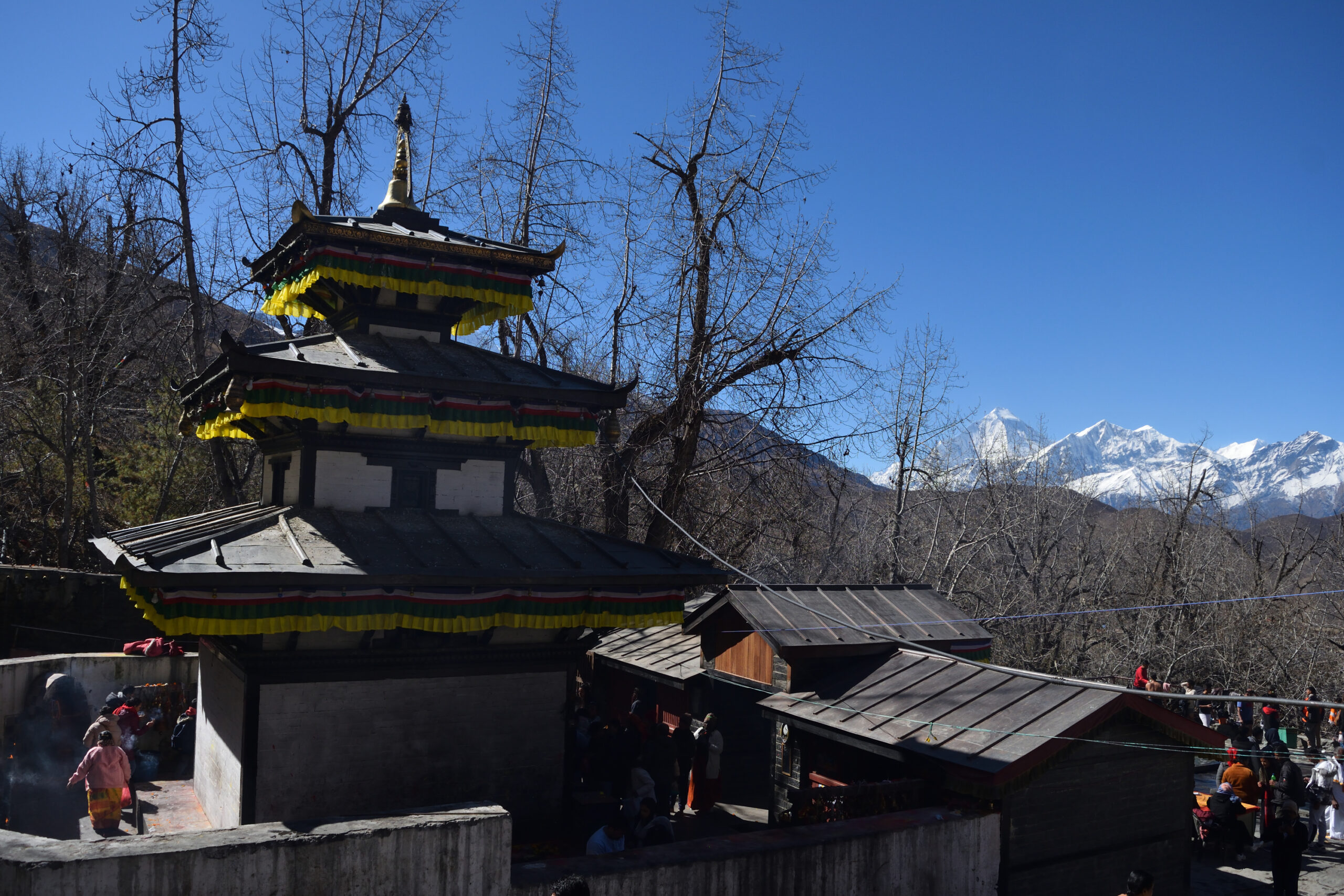
Muktinath Temple, one of the most revered pilgrimage sites in Nepal, draws thousands of devotees and tourists every year. Nestled at an altitude of 3,710 meters in the Mustang district, this sacred temple is of great significance to both Hindus and Buddhists, making it a unique destination that intertwines religious devotion with cultural exploration. Known for its spiritual atmosphere and breathtaking natural beauty, Muktinath is a must-visit for pilgrims and adventure enthusiasts alike.
For Hindus, Muktinath Temple is a holy site dedicated to Lord Vishnu, and it is believed that visiting the temple grants “moksha” (liberation from the cycle of rebirth). The Sanskrit word “Mukti” translates to salvation, reflecting the spiritual importance of this site. The temple holds a special place in Hindu mythology, and many pilgrims undertake the journey to Muktinath to purify themselves in the 108 water spouts (known as “Muktidhara”) surrounding the temple. These water spouts, sourced from the nearby Kali Gandaki River, are believed to have healing powers, attracting pilgrims seeking both spiritual and physical rejuvenation.
For Buddhists, the temple is considered one of the 24 Tantric places and is associated with Guru Rinpoche (Padmasambhava), who is said to have meditated at this location. The temple complex includes a Buddhist shrine, and its sacredness is shared between the two religious traditions, making it a symbol of cultural harmony.
Aside from its religious significance, Muktinath Temple is surrounded by the stunning natural beauty of the Annapurna and Dhaulagiri mountain ranges. The temple lies along the popular Annapurna Circuit trekking route, making it an ideal destination for trekkers and nature lovers. The trek to Muktinath offers breathtaking views of the Himalayas, barren landscapes, and the Kali Gandaki Gorge, the deepest gorge in the world. The challenging yet rewarding trek allows visitors to experience the serene beauty of Mustang while connecting with the spiritual essence of Muktinath.
Reaching Muktinath has become more accessible in recent years, with multiple travel options available. The most common route is by flying from Pokhara to Jomsom, followed by a scenic jeep ride to the temple. Alternatively, adventure-seekers can embark on a trekking journey from Jomsom, a route that offers a closer connection to the natural landscape and local culture.
The best time to visit Muktinath is during the spring (March to May) and autumn (September to November) seasons, when the weather is pleasant, and the skies are clear, offering panoramic views of the snow-capped peaks. Visitors are advised to prepare for the high altitude, which can cause altitude sickness if proper precautions are not taken.
In addition to the temple, Muktinath is surrounded by traditional Tibetan-influenced villages, offering visitors a glimpse into the unique culture of the Mustang region. The nearby town of Jomsom provides an excellent opportunity for tourists to explore the rich heritage, sample local cuisine, and experience the warm hospitality of the Thakali people.
Cultural tours around the Mustang region often include visits to other religious sites, such as Kagbeni, Jharkot, and Lomanthang, the capital of the ancient Kingdom of Mustang. These sites enrich the overall experience of a trip to Muktinath, offering insight into the spiritual and cultural diversity of Nepal.
The Nepal government and local tourism authorities have been working to promote Muktinath as both a spiritual and adventure tourism destination. Improved infrastructure, increased accessibility, and the promotion of eco-friendly tourism practices are helping to attract more international tourists to the area. The blend of spirituality, culture, and natural beauty makes Muktinath a destination that offers something for every traveler, whether they seek spiritual fulfillment, cultural immersion, or an adventurous journey in the Himalayas.
Muktinath Temple stands as a beacon of religious devotion, cultural unity, and natural beauty. It continues to be a prime destination for pilgrims and tourists alike, offering an unforgettable experience that blends spirituality, breathtaking landscapes, and cultural exploration. Visitors to Muktinath not only embark on a sacred journey but also immerse themselves in the rich tapestry of Nepal’s Himalayan culture and scenic splendor.