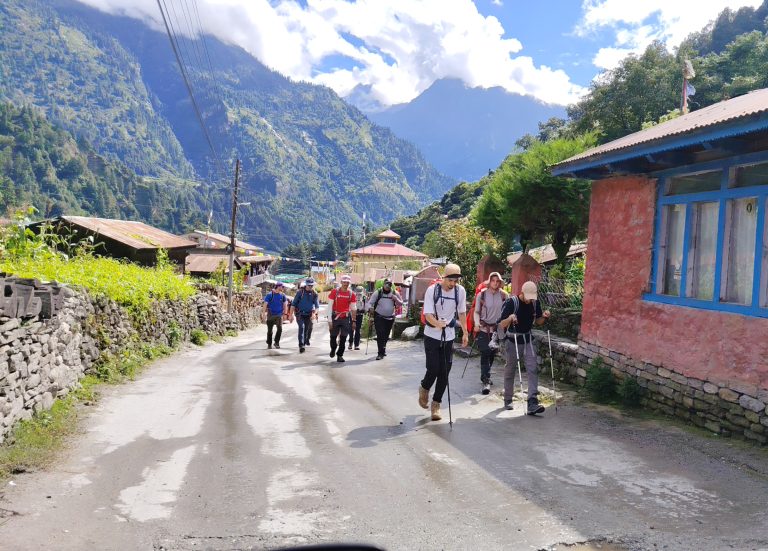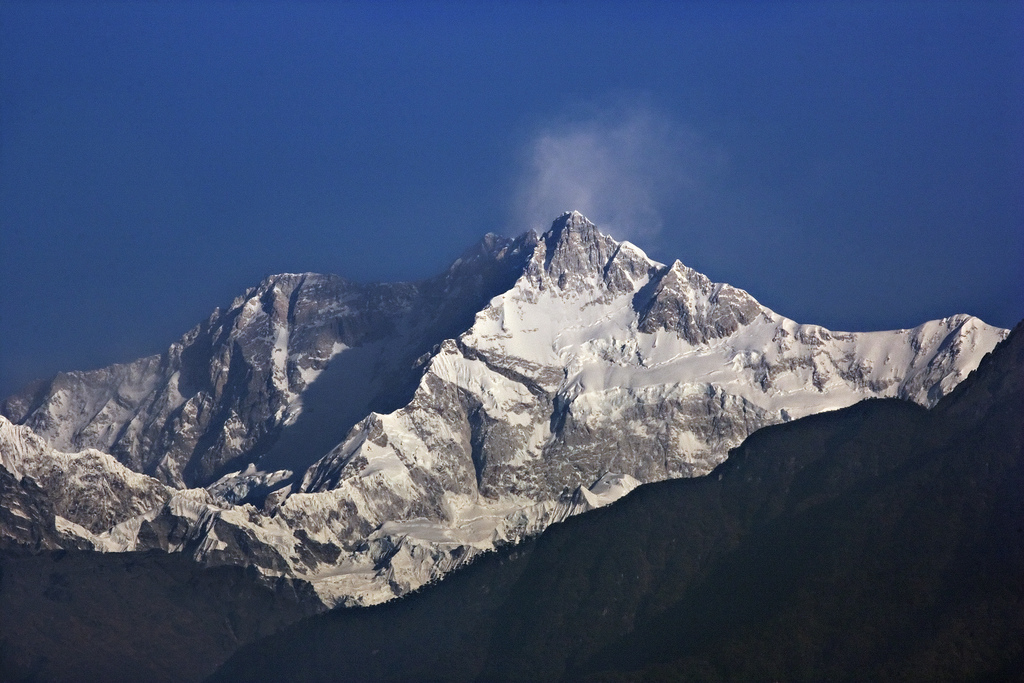
In the past year, the number of tourists visiting the Kanchenjunga region in Taplejung has significantly increased. At 8,586 meters, Kanchenjunga is the world’s third-highest mountain, and the presence of both domestic and international tourists has brought new heights to the region’s tourism industry.
The Kanchenjunga region experiences two main tourist seasons each year. The first season runs from Chaitra, Baishakh, and Jestha, while the second season spans from Bhadra to Mangsir. As of this year, nearly 750 foreign tourists have visited the region since the start of the season in Bhadau, according to the Ghunsa Checkpost of the Kanchenjunga Conservation Area Management Council. Local businesses report that the number of domestic tourists is now double that of international tourists.
Tourism Assistant Tshering Tenzing Sherpa from the Council shared that tourists from countries such as France, Australia, Germany, and the United States are frequenting the area. The rise in tourists this year compared to the previous year has encouraged local entrepreneurs, as noted by tourism businessman Pema Sherpa.
Domestic tourism has also seen an uptick, especially during festivals like Dashain and Tihar, when local and Nepali tourists travel with their families to the Kanchenjunga Base Camp. Hotelier Serap Sherpa mentioned that during these festivals, hotels and lodges in the region were fully booked with domestic visitors.
Bimal Bhandari, a hotel operator in the district capital of Phungling, reported a 20% increase in both domestic and international tourist arrivals compared to last year. He added, “Tourists visiting Kanchenjunga have energized our hotel business.”
The rise in tourist arrivals has had a notable impact on the local economy, with growth observed in the hotel, restaurant, trekking guide, porter, and handicraft businesses. Hotels around Phungling and the Base Camp are experiencing heavy tourist footfall. Local tourism businesses state that hotel revenues have increased by over 30% this season.
Tourism entrepreneur Fupu Chohang Sherpa explained that trekking guides and porters have also benefited from the increase in tourists. Additionally, transportation businesses have seen gains. Guides and porters enjoy a steady income as long as the weather conditions remain favorable. According to Tshering Tenzing Sherpa, foreign tourists, who tend to stay longer, have also increased demand for guides, porters, and tents.
Various conservation and promotion activities are underway to make Kanchenjunga a globally recognized tourist destination. The Kanchenjunga Conservation Area Management Council, in collaboration with local communities and businesses, is actively working to promote tourism. Local businesses are also improving tourism infrastructure.
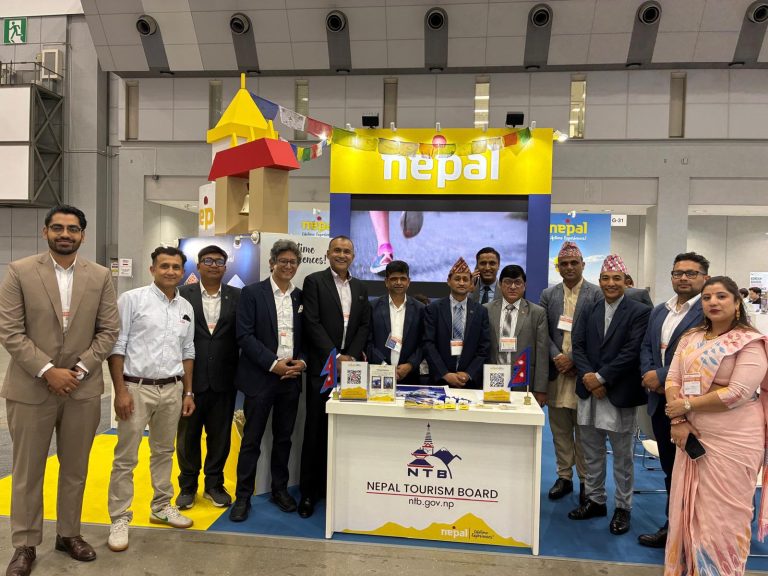
Tourism promotion activities include events like the Himalayan Mountaineering Festival, cultural festivals, and local product exhibitions. These initiatives aim to attract tourists and promote local products.
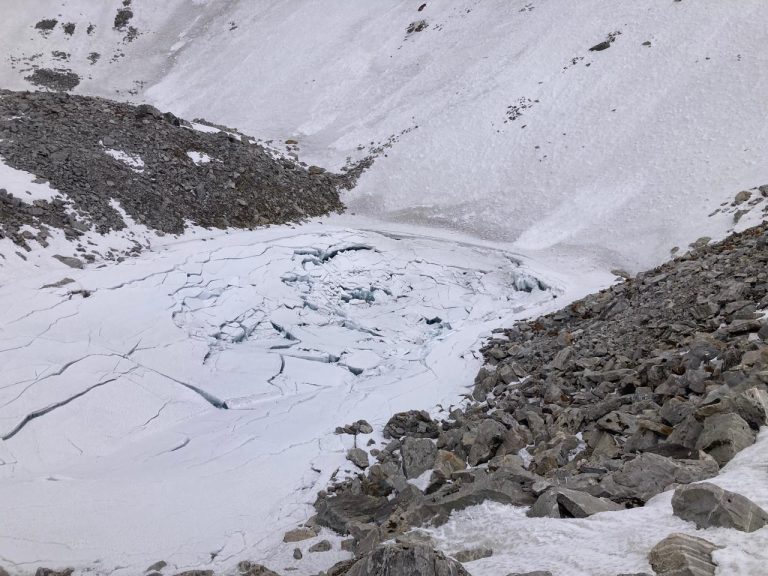
While the region sees high tourist traffic during the two main seasons, the trekking routes are sometimes blocked due to monsoon rains in Ashadh and Shrawan. Furthermore, snowfall in Poush, Magh, and Falgun makes trekking routes difficult, leading to a decline in tourist numbers, as explained by hotel operator Kancha Sherpa from Ghunsa.
To ensure sustainable tourism in the Kanchenjunga region, various development plans are being formulated. With the collaboration of local authorities and tourism businesses, efforts are being made to improve tourism infrastructure. According to Tourism Assistant Tshering Tenzing Sherpa, special plans have been developed for creating new trekking routes, providing safe accommodation, and preparing route maps.
Additionally, efforts are being made to enhance facilities for tourists, including Wi-Fi, first aid centers, and eco-friendly toilets at the Base Camp. Kanchenjunga is a significant cultural and tourism asset of Nepal, attracting both domestic and international visitors. The recent increase in tourist numbers has invigorated local businesses and created more job opportunities. However, climate change and unpredictable weather conditions pose long-term challenges to the region’s tourism sustainability.
Source: RSS