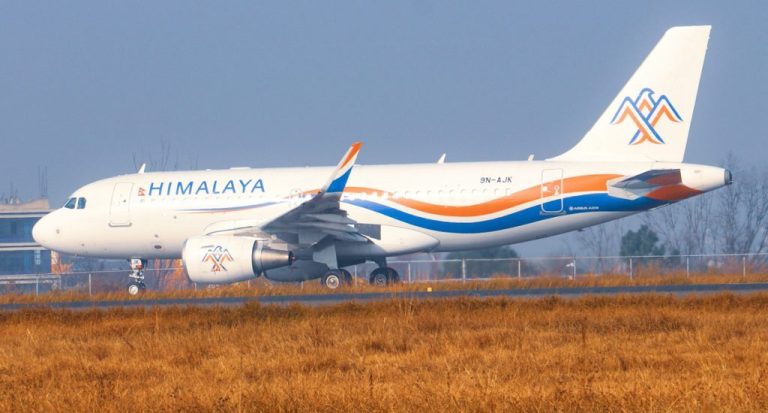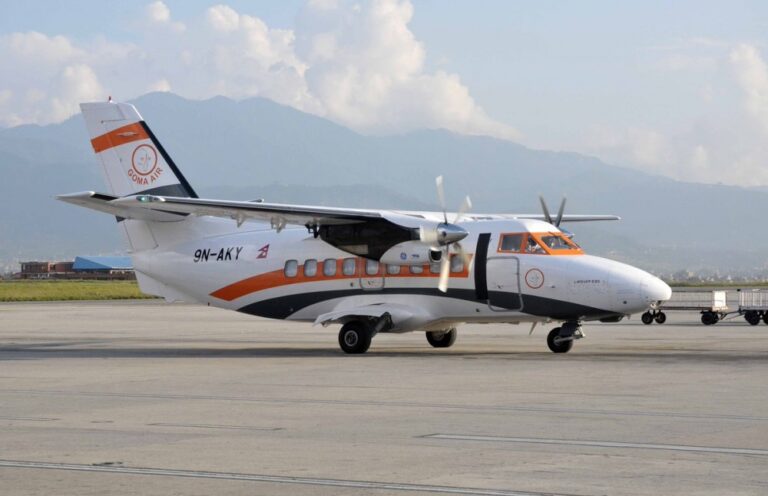
The airlines are strictly adhering to the maximum fare regulations set by the government. In fact, tickets are being made available at prices below the ceiling rate. As Nepal’s biggest festivals, Dashain, Tihar, and Chhath, draw near, a wave of public complaints has emerged regarding allegedly high airfares being charged by domestic airlines. Many passengers traveling to their hometowns have voiced frustrations that airline operators are taking advantage of increased demand to impose higher ticket prices during this peak travel season.
However, the Airline Operators Association of Nepal (AOAN), the umbrella organization of the country’s domestic airlines, has strongly denied these accusations. The association claims that tickets are being sold at rates lower than the maximum fares set by the government, and that passengers are not being overcharged.
Statement from the Airlines’ Association
In an official statement issued by AOAN President Manoj Karki, the association clarified that domestic airlines are fully complying with government regulations. The notice emphasized that ticket prices currently available in the market are below the government-approved maximum fare ceiling.

The statement further added that the association had taken serious note of the concerns raised by passengers regarding possible overcharging. To ease doubts, airlines have decided to continue issuing tickets at lower prices even during the peak festive season when demand traditionally skyrockets.
Outcome of Government-Led Meeting
The announcement comes in the wake of a meeting held on Ashwin 8, chaired by the Secretary of the Ministry of Culture, Tourism, and Civil Aviation. The meeting was attended by senior officials from the Civil Aviation Authority of Nepal (CAAN) as well as representatives of the country’s airline companies.
According to AOAN, the discussion concluded with a unanimous decision: airlines would not exceed the fare ceiling set by the government and would, in fact, continue to provide tickets at rates lower than the approved maximum fare.
This consensus was intended to balance both the growing demand for flights during the festive season and the financial sustainability of airlines, while also protecting passengers from being burdened with excessive costs.
Situation in Remote Areas
Another issue addressed by the airlines was the status of airfares to remote destinations. The AOAN statement clarified that there has not been a significant surge in demand for flights to remote areas. Since the airfare for such sectors has been standardized and uniform, airlines have been operating strictly in line with the existing fare structure.
This clarification comes amid concerns that airfares to remote districts might also have been manipulated during the holiday rush. However, AOAN assured that there have been no fare hikes in such sectors and airlines continue to charge the same regulated rates.
Balancing Demand and Affordability
During Dashain and other major festivals, air travel in Nepal experiences heavy pressure, particularly on flights to destinations such as Pokhara, Bharatpur, Biratnagar, Nepalgunj, and Dhangadhi, where thousands of Nepalis travel to celebrate with family. This surge in demand has historically raised fears of unfair price hikes.
Airline operators, however, insist that their pricing practices remain fair and transparent. By selling tickets below the maximum approved level, they argue that they are striking a balance between ensuring affordable travel for passengers and maintaining the operational viability of airlines during a season when nearly every flight runs at full capacity.
Protecting Passenger Interests
The AOAN has also called on passengers to remain cautious when purchasing tickets, encouraging them to buy directly from airline offices, authorized agents, or official digital platforms. By doing so, passengers can avoid potential issues such as third-party surcharges, which are sometimes mistaken for increased airfares. The association reiterated that it remains committed to safeguarding the interests of passengers and ensuring that festival travel remains accessible and affordable for all Nepalis.
Broader Context of Airfare Regulation
In Nepal, the government sets a fare ceiling for domestic flights, taking into account fuel prices, inflation, and operational costs. Airlines are not allowed to exceed these set rates, although they can sell tickets at lower prices.

Over the years, accusations of overcharging during festival seasons have become common, but airlines argue that these perceptions often stem from the natural rise in demand and limited availability of tickets, rather than from actual fare manipulation. This year, with the Civil Aviation Ministry actively monitoring airlines and with AOAN’s public assurance, authorities hope to reduce complaints and restore passengers’ trust.
As Dashain approaches, thousands of Nepalis will be boarding domestic flights to reunite with their families. While concerns about high airfare are not new, the Airline Operators Association of Nepal has reassured the public that no one will be charged above the maximum allowed fare.
By committing to sell tickets at rates lower than the government-approved ceiling, the airlines aim to strike a balance between consumer protection and business sustainability. The association’s strong public stance, coupled with close government oversight, is expected to help ensure that passengers enjoy both affordability and reliability during this festive travel season.