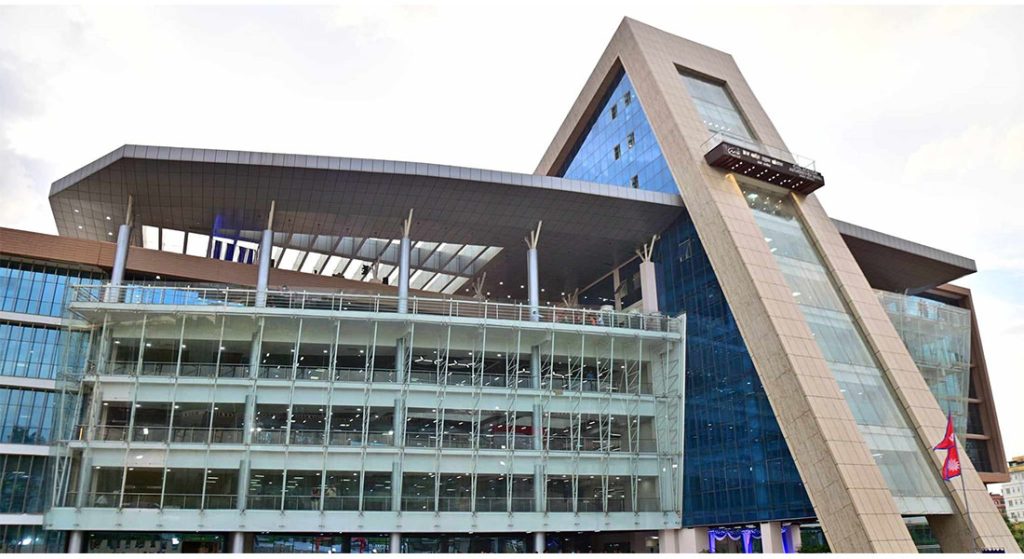
The Civil Aviation Authority of Nepal (CAAN) has announced strict action against individuals found flying kites, drones, or balloons in and around the Tribhuvan International Airport (TIA) area. This decision comes after multiple reports of such activities being observed in recent days, raising serious concerns about aviation safety during one of the busiest travel seasons of the year.
According to Hansraj Pandey, General Manager of TIA, these activities pose a direct threat to aircraft operations. The airport management has therefore urged the public to refrain from engaging in or encouraging such practices.

Activities Threatening Flight Safety
General Manager Pandey emphasized that unauthorized flying of kites, drones, and balloons, as well as the use of laser lights, can severely disrupt flight paths and endanger passengers and crew. He stated, “Such activities in the flight zone or surrounding areas can seriously affect flight safety. We have therefore requested the public to avoid these practices. Anyone who violates this directive will face action.”
The risks include kites or drones being pulled into aircraft engines, sudden distractions for pilots during takeoff and landing, and balloons drifting into flight paths, all of which could lead to catastrophic accidents.
Festive Season Increases Risk
As Nepal enters the festive season of Dashain and Tihar, kite flying is a common recreational activity. Traditionally, families and children across the Kathmandu Valley enjoy kite flying during this period, often unaware of the safety hazards near aviation zones.
However, the growing use of modern recreational devices such as drones has added a new dimension to the risks. While drones are increasingly popular for photography and personal entertainment, unauthorized flights near airports are considered a major violation of aviation regulations.
Aviation Authority’s Firm Stance
CAAN has taken a firm stance to prevent accidents and ensure smooth operation of flights at TIA. With rising air traffic during the festive season, the authority is prioritizing aviation safety more than ever.
The authority has already deployed surveillance teams to monitor suspicious activities near airport zones. CAAN has also urged local communities, especially those living close to TIA, to help discourage kite flying and drone operations in their neighborhoods.
International Aviation Safety Standards
The warning aligns with global aviation safety standards enforced by the International Civil Aviation Organization (ICAO), which prohibits any activity that can interfere with flight operations within a defined radius around airports.
Globally, even small objects like kites or laser beams have been known to cause delays, damage to aircraft, and in some cases, forced emergency landings. Nepal, with its challenging terrain and busy airspace around Kathmandu, faces even higher risks if such practices are not controlled.
Public Awareness and Responsibility
Airport authorities have called upon citizens to act responsibly and prioritize passenger safety over recreational activities. Public awareness campaigns are also being planned to inform residents of the dangers of flying kites or drones in restricted zones.
General Manager Pandey added that CAAN will work closely with local law enforcement to enforce the rules. Offenders will not only be fined but could also face further legal consequences if found deliberately jeopardizing flight safety.
Managing Dashain Travel Rush
The timing of the warning is especially important as Nepal is experiencing a sharp increase in domestic and international flights during the Dashain holiday season. Thousands of passengers are traveling daily, putting additional pressure on TIA, the country’s busiest airport.
Authorities fear that any accident caused by negligence could have devastating consequences, both in terms of lives lost and Nepal’s aviation reputation. Preventive measures, therefore, are seen as essential to safeguard travelers during the peak season.
Call for Community Cooperation
While CAAN has pledged to enforce rules strictly, officials stress that community cooperation is equally important. The responsibility lies not only with the aviation authority but also with families, local leaders, and residents to ensure their surroundings are free from activities that could endanger flights.

The emphasis is on prevention rather than punishment. By creating awareness and encouraging safe practices, CAAN hopes to eliminate risks without disrupting cultural traditions. Kite flying, for example, can still be enjoyed safely in open spaces far from aviation zones.
The Civil Aviation Authority of Nepal’s directive reflects a strong commitment to aviation safety at Tribhuvan International Airport, especially during the festive Dashain season when passenger numbers surge. By warning against the flying of kites, drones, and balloons near airport areas, CAAN aims to prevent potential accidents that could have severe consequences for both travelers and the aviation industry.
The message is clear: while cultural traditions and recreational activities are important, they must never come at the expense of public safety. Strong community participation, responsible behavior, and strict enforcement will be crucial in ensuring that Nepal’s skies remain safe during the country’s biggest festival season.