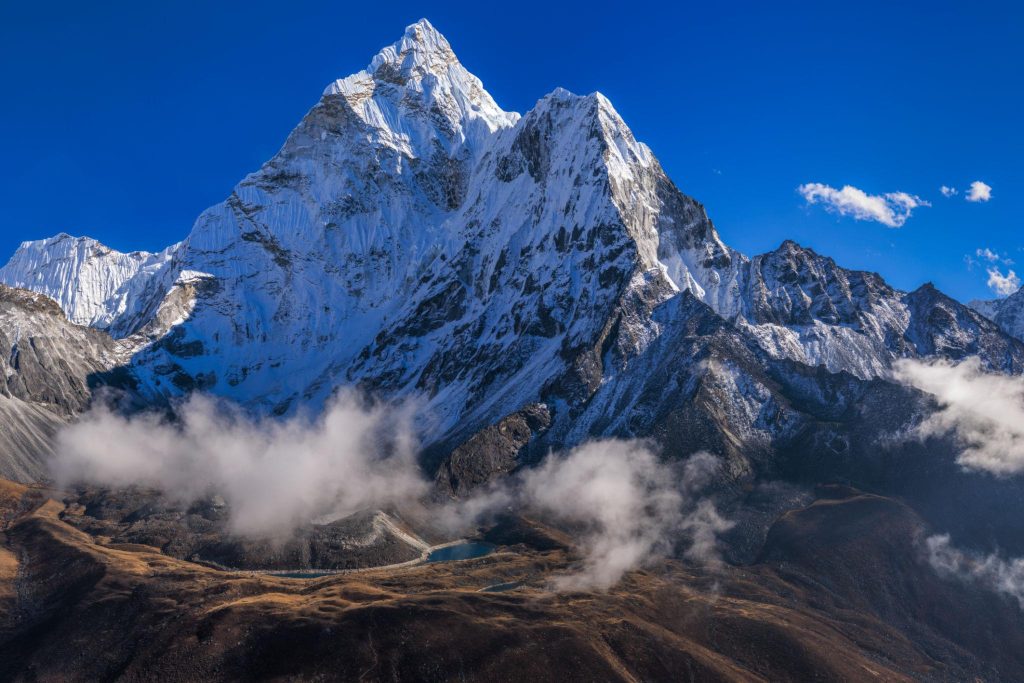
The summit route on Mount Ama Dablam (6,812 metres) has opened for Nepal’s autumn 2026 climbing season following a seven member rope fixing team’s success in reaching the mountain’s summit on October 13. The expedition represents an important opportunity for domestic and international mountaineering operations preparing to attempt the challenging Himalayan peak. The operation was organized by the Expedition Operators Association Nepal (EOAN), with Himalayan Guides Nepal managing logistical arrangements and field support.
Seven member team reaches Ama Dablam summit
The seven member rope fixing team reached the summit of Mount Ama Dablam at around 11:30 a.m. on Tuesday, October 13, completing a key step in preparations for the mountain’s autumn climbing season. The team completed its route opening mission ahead of planned summit attempts by other expedition groups.

Establishing the route is an important part of preparing climbers for the main climbing period, during which they will begin their final ascent preparations. The operation was coordinated by EOAN, which organized the rope fixing team, while Himalayan Guides Nepal managed the mission’s logistical arrangements. The team worked to establish fixed ropes on the mountain’s challenging climbing sections, preparing the route for subsequent expeditions. With the mission completed, climbers can move forward with their preparations for summit attempts, depending on route safety, weather conditions and acclimatization.
Experienced climbers complete rope fixing operation
The rope fixing team comprised Siddhi Bahadur Tamang, Nuru Wangchu Sherpa, Lal Kumar Tamang, Pasang Tenji Sherpa, Ngawang Paljor Sherpa, Lakpa Sange Sherpa and Namgel Dorjee Tamang. Siddhi Bahadur Tamang was identified as the team leader in his account of the summit operation. The climbers undertook the challenging work of preparing the route before the main wave of autumn expeditions began their summit rotations. Their successful ascent represents an important contribution to the season’s mountaineering preparations.
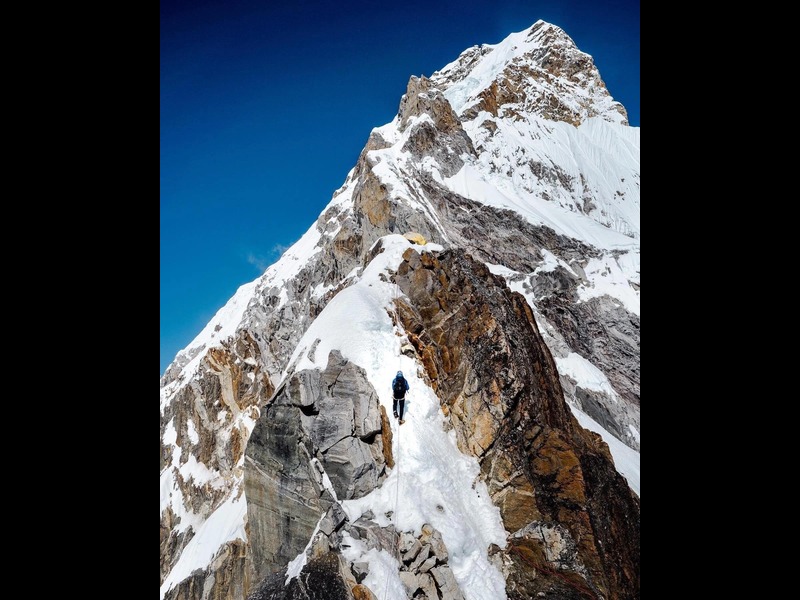
Rope fixing is an essential part of preparing technical Himalayan climbing routes. Specialized teams install fixed lines on the most challenging sections of the route, enabling subsequent climbers to attach their equipment and climb along established lines. On Ama Dablam, fixed ropes enable climbers to navigate the mountain’s exposed ridges, steep rock faces and icy terrain. While such preparations help organize movement through the technical sections of a climbing route, climbers must always evaluate the risks of altitude, weather conditions and mountain environment in their climbs.
Ama Dablam draws international climbers to the Everest region
Located in Nepal’s Everest region, Mount Ama Dablam is one of the country’s best known mountaineering destinations. With its distinctive profile and technically challenging climbing route, the mountain attracts experienced alpine climbers and commercial expedition groups from around the world. Rising to approximately 6,812 metres, Ama Dablam requires climbers to prepare for high altitude climbing, technical climbing sections and unpredictable mountain weather. Its popularity makes route preparation an important part of Nepal’s seasonal mountaineering calendar.
Hundreds of climbers are expected to make Ama Dablam summit attempts during the autumn season, according to the information provided about the operation. The opening of the mountain’s route allows expedition teams to proceed with their climbing schedules following their acclimatization and preparations. However, the number of climbers who complete their summit attempts will depend on weather conditions, expedition schedules, route safety and individual teams’ decisions. Rope fixing is an important step, but it does not guarantee safe conditions for all expeditions.
Route opening supports Nepal’s autumn mountaineering season
The completion of the rope-fixing mission highlights the coordination necessary for preparing Nepal’s high-altitude destinations for seasonal mountaineering activity. Route preparation involves collaboration between expedition associations, climbing guides, specialized rope-fixing teams and logistical support providers. These operations help establish climbing lines ahead of larger groups’ summit attempts, playing an important organizational role in managing seasonal activity on popular Himalayan peaks. EOAN’s involvement also reflects the value of organized route preparation in supporting Nepal’s mountaineering sector.
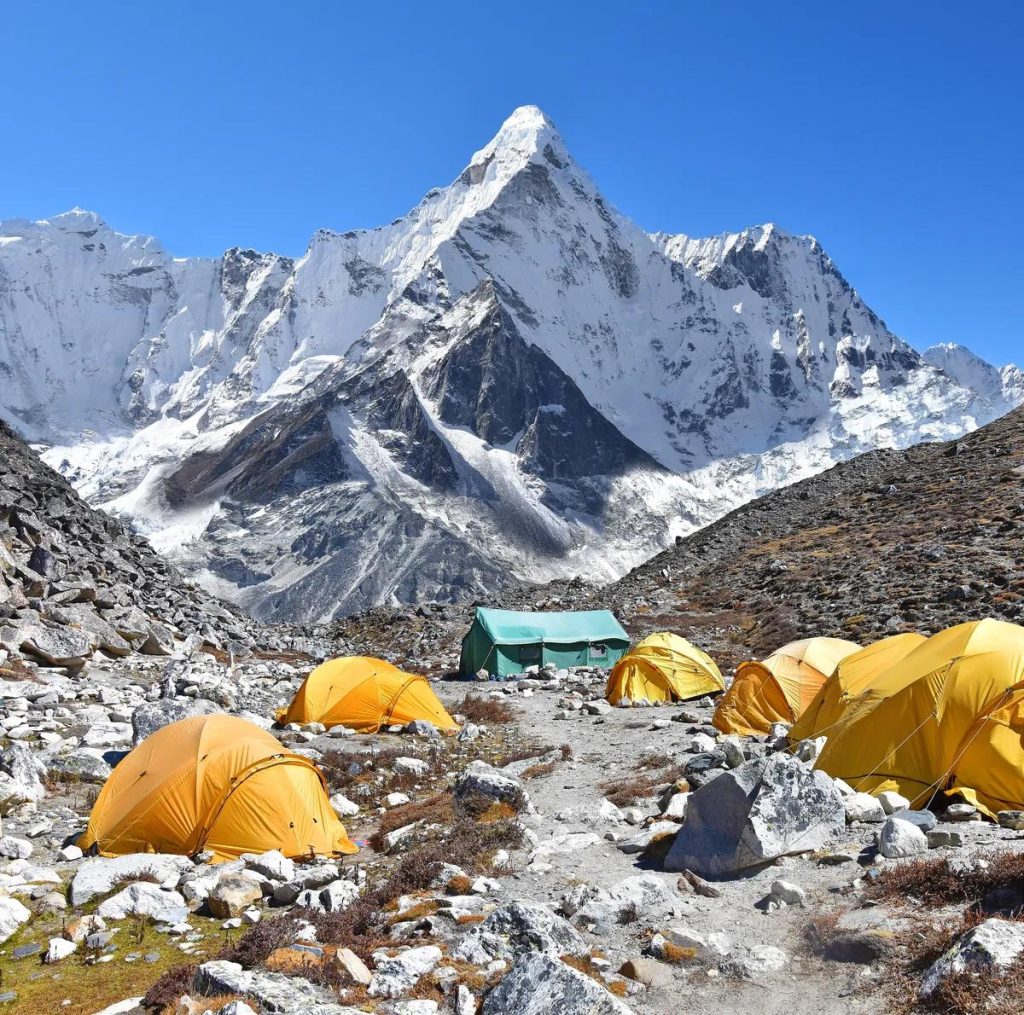
The opening of Ama Dablam’s route supports tourism businesses and workers who contribute to high altitude expeditions, including mountaineering agencies, guides, porters and base camp support teams. International climbing activity contributes to Nepal’s adventure tourism economy by creating demand for services related to climbing expeditions and local logistical support.
With the route prepared, climbers can begin their acclimatization and summit planning while monitoring mountain conditions. The success of the autumn climbing season will depend on safe climbing decisions, favorable weather conditions and the preparedness of individual expedition teams.