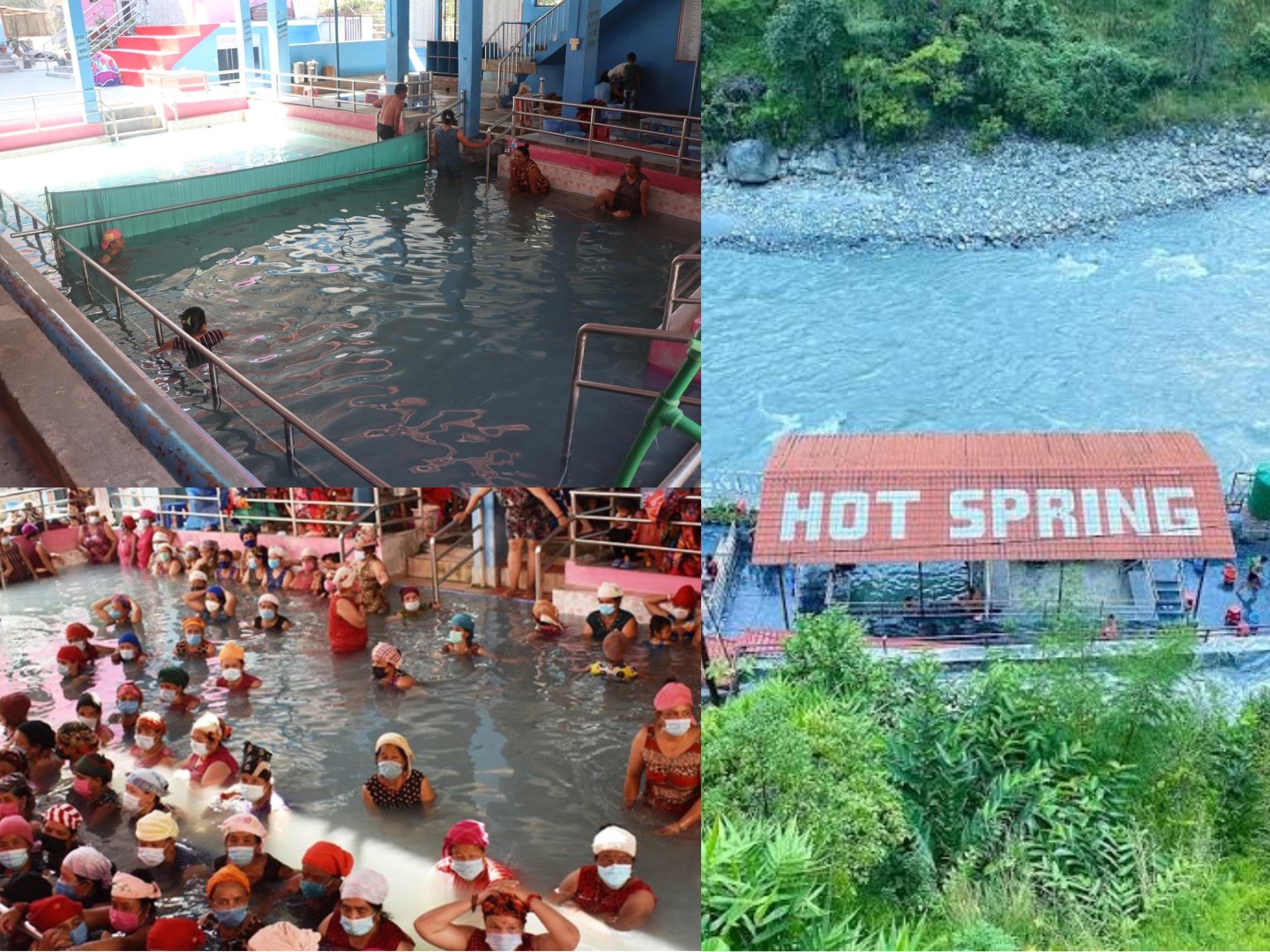
Singa Hot Spring, a popular natural wellness destination in Beni Municipality-4, Myagdi, has been reopened for visits after 18 days of being closed due to damage from floods and landslides. The hot spring has been reopened to visitors for the autumn season, one of the busiest times for hot spring bathing and natural therapy in western Nepal. The hot spring was closed after rains on October 8 to 11 caused flooding and landslides, which drenched the hot spring pools with mud, sand, and debris.
Following a cleanup campaign to remove the sludge from the main pool, which had been used for bathing, the hot spring was reopened for visits on Wednesday, October 14. Around 20 to 25 people visited the hot spring on the first day it was reopened, according to Amar KC (Kumar), the secretary of the hot spring management committee. More people are expected to visit the hot spring after the Dashain festival.
Community Efforts Restart Hot Spring Bathing Services
The spring water was reopened to visitors due to the community efforts of local residents, youth clubs, mothers’ groups, security personnel and other organizations. More than 1,300 local people, security personnel and representatives of different organizations participated in the cleanup and restoration campaign, helping to remove the mud and debris from the main bathing pool and its surroundings.
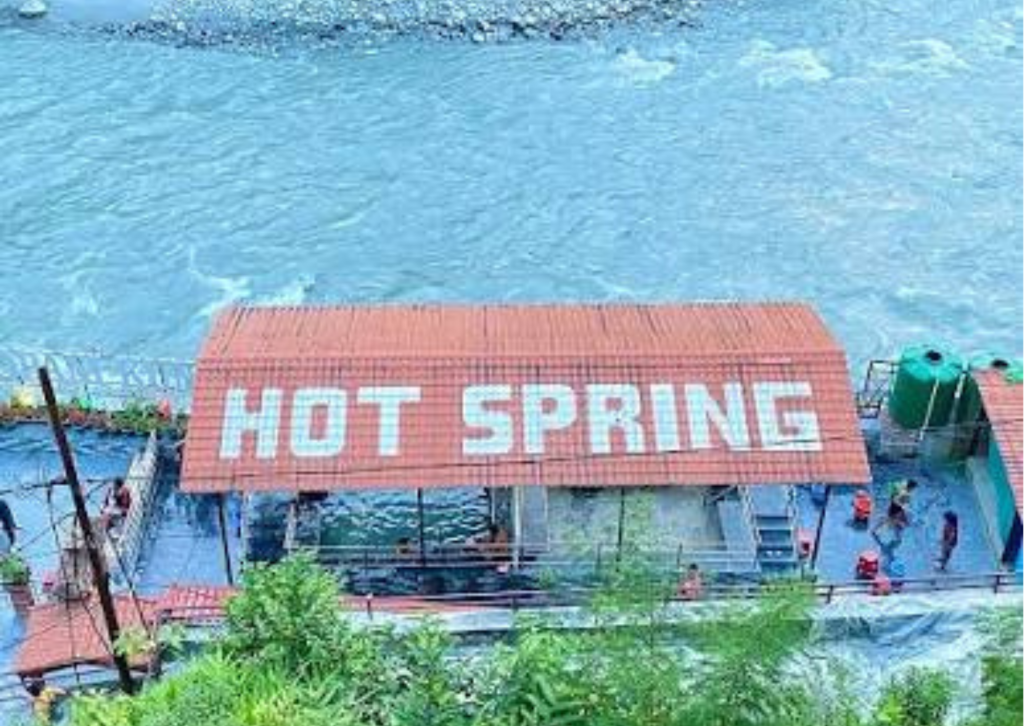
The spring water complex has three pools, including a large upper pool mainly used by people for therapeutic bathing and a smaller pool constructed for tourists. The mud and debris from the flood were deposited in the main pool, while the smaller tourist pool was damaged by the force of the flood. Although the main pool has been restored for use, other parts of the hot spring complex still need repairs to fully rehabilitate the spring water.
Floods Cause More Than Rs 20 Million In Damage
The flooding and landslides damaged several facilities at the spring water complex, including the building used for changing clothes and the building housing the hot water storage tank. The open bathing area was also buried by the landslide debris, while the smaller pool was damaged substantially. These losses have affected the hot spring complex’s infrastructure and highlighted the need for further investment in restoration and protection.
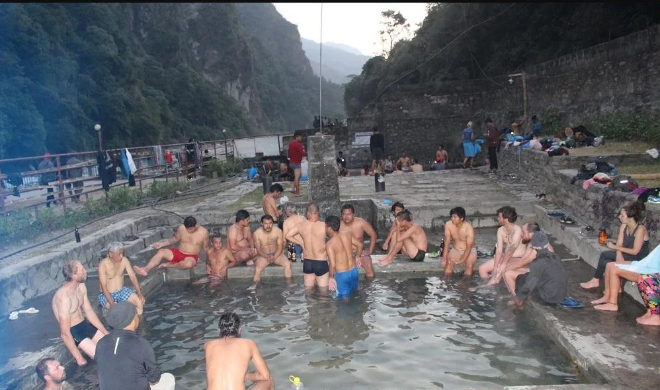
Management committee chair Krishna Khadka said the disaster caused more than Rs 20 million in physical damage. The committee has sought financial assistance from local, provincial and federal governments to rebuild the damaged facilities and protect the natural bathing site. The initial restoration of the main pool was done with voluntary labour and support from donors and various organizations, but the spring water complex still requires funding for repairing the other structures and pools.
Singa Hot Spring Attracts Visitors from Across Nepal
Singa Hot Spring is an established natural wellness destination where naturally emerging hot water from the Myagdi River is collected in pools for bathing. The water has a temperature of approximately 50 degrees Celsius and a mineral-rich character, with an odour resembling rock salt. Visitors from all 77 districts of Nepal and abroad travel to the site for bathing and natural therapy.
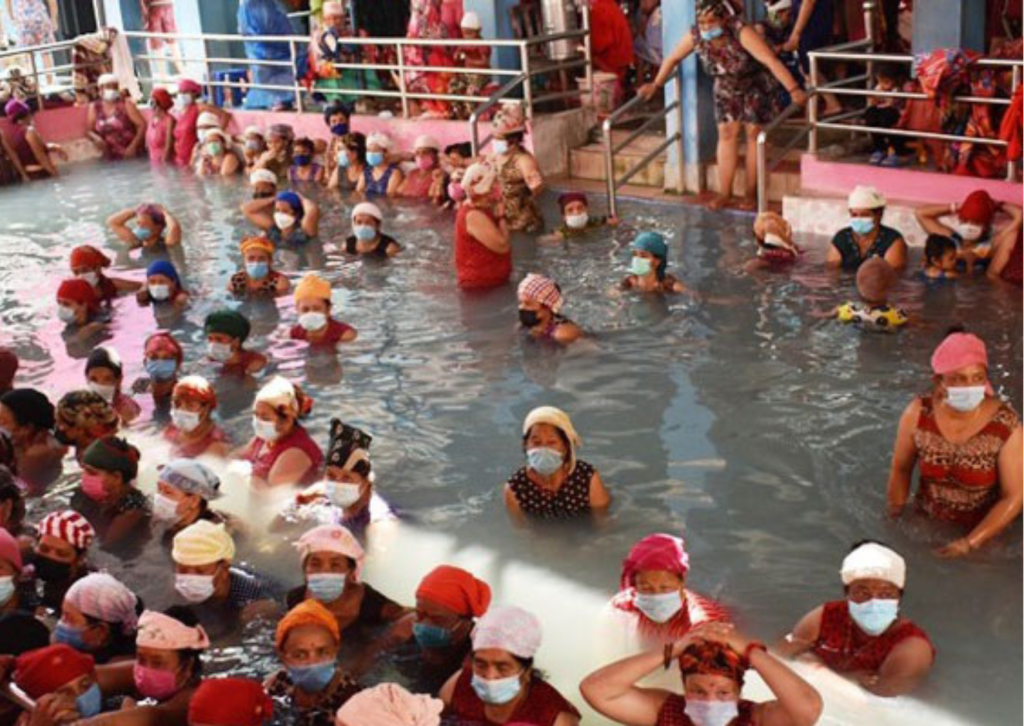
According to the management committee, more than 21,000 people visited the hot spring during the fiscal year 2025/26 (2082/83). The hot spring is particularly popular from October through November, while the wider bathing season generally extends from October to April. Its temporary closure during this peak season affected nearby shops and other local businesses that depend on visitors, so its reopening is important for the area’s tourism-related economic activity.
Natural Wellness Tourism Offers Seasonal Opportunities
Bathing in the spring water is traditionally believed by visitors to help relieve skin problems, gastric complaints, rheumatism, and certain injuries. These are traditional beliefs and reported experiences, rather than established medical guarantees. The destination’s natural hot water, therapeutic bathing environment, and accessibility to visitors from across the country contribute to its appeal as a wellness tourism site.
A nine-day bathing package is available for Rs 500. With the main pool back in operation, Singa Hot Spring can begin welcoming visitors again during the autumn and winter wellness tourism season. Completing repairs to the damaged pools, changing facilities, storage building and open bathing area will be important for restoring the full visitor experience, supporting local businesses and strengthening the destination’s long-term resilience to floods and landslides.