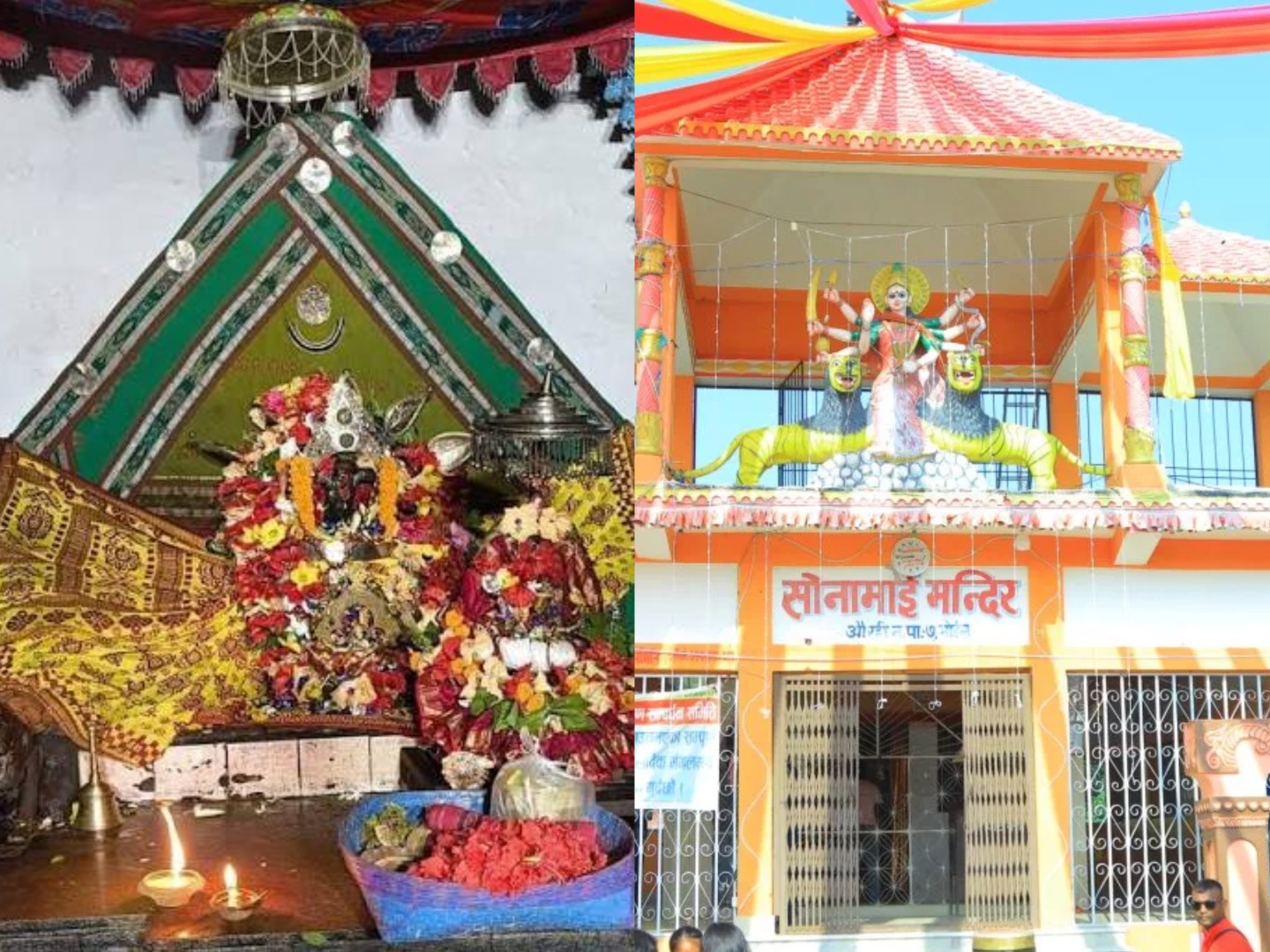
The Sonasati Devi Temple in Bhoil, Aurahi Municipality–7, Mahottari, is witnessing the devotion of the local people for the traditional tantric fair, which is organized during Dashain, bringing religious activity to one of the Shakti Peeths in Nepal’s Madhesh Province. Known as the Sonamai Temple, the shrine has a unique Navaratri tradition where devotees gather to worship the goddess and seek respite from personal suffering, which makes the annual fair a significant part of the region’s religion and culture.
The fair is a Shardiya Navaratri tradition and attracts devotees from across Madhesh Province, other parts of Nepal, as well as the neighbouring Indian state of Bihar. The gathering represents the long-standing religious beliefs and traditions surrounding Goddess Sonasati, and the value of temple fairs as cultural and tourist attractions.
Navaratri Tradition Draws Devotees To Sonasati Temple
The tantric fair follows a longstanding tradition observed at Sonasati Devi Temple during the annual Dashain festival. While the worship and rituals start on the first day of Navaratri, the activities of the fair are associated with Panchami; the fifth day of the festival – and continue till Navami, the ninth day. The gathering is usually called the Bhoot Mela; the ghost fair, as it is believed that the goddess provides respite from evil spirits.
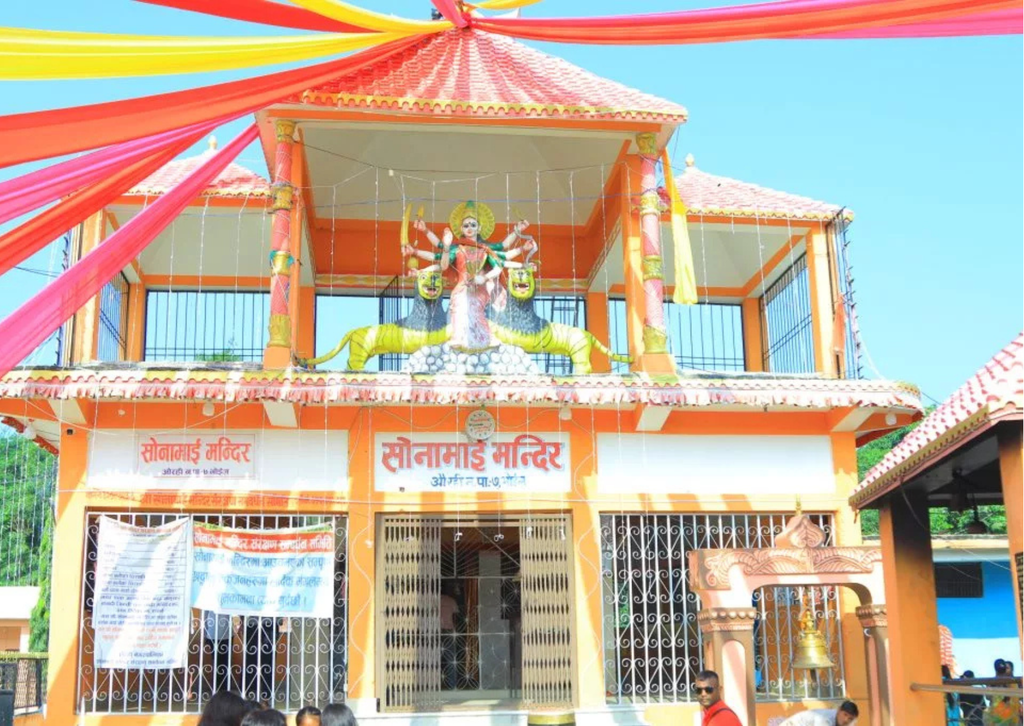
According to the temple priest Kedar Jha, people who believe that they are troubled by evil spirits traditionally visit the temple – starting on Panchami, to seek the blessings of the goddess. An established tradition sees devotees crying out and calling upon the goddess on the temple premises, as they believe the rituals will help free them of their affliction. Believers hold that worshipping Sonasati during Navaratri will help them find relief and prevent such harassment from happening in the future.
Fair Attracts Pilgrims From Nepal And India’s Bihar
The Sonasati fair attracts pilgrims from more than just Mahottari, with visitors coming in from districts of Bagmati and Koshi provinces. Devotees from Makwanpur, Sindhuli and Udayapur have traditionally visited the gathering, and the temple’s significance extends beyond the region. The religious event also sees visitors across the international border in Bihar, India: those who have visited from Sitamarhi, Madhubani, Jhanjharpur, Champaran, Sheohar and Muzaffarpur.
The participation of devotees from Nepal and India makes the fair an important cross-border religious gathering during Dashain. Such festivals help preserve cultural and spiritual traditions across the Nepal–India border and allow visitors an insight into the region’s religious history and beliefs. With the influx of visitors, the area and its businesses see a rise in activity, but the source does not provide visitor numbers or economic figures for the fair.
Religious Beliefs And Changing Perspectives
The fair is based on traditional beliefs that Goddess Sonasati can bring relief to people suffering from evil spirits. The belief system is a significant part of the religious significance of the gathering for many devotees, but younger generations are questioning the interpretation of mental or physical distress as caused by ghosts, demons, and witchcraft, preferring to view it as a misconception that is not the cause of illness.
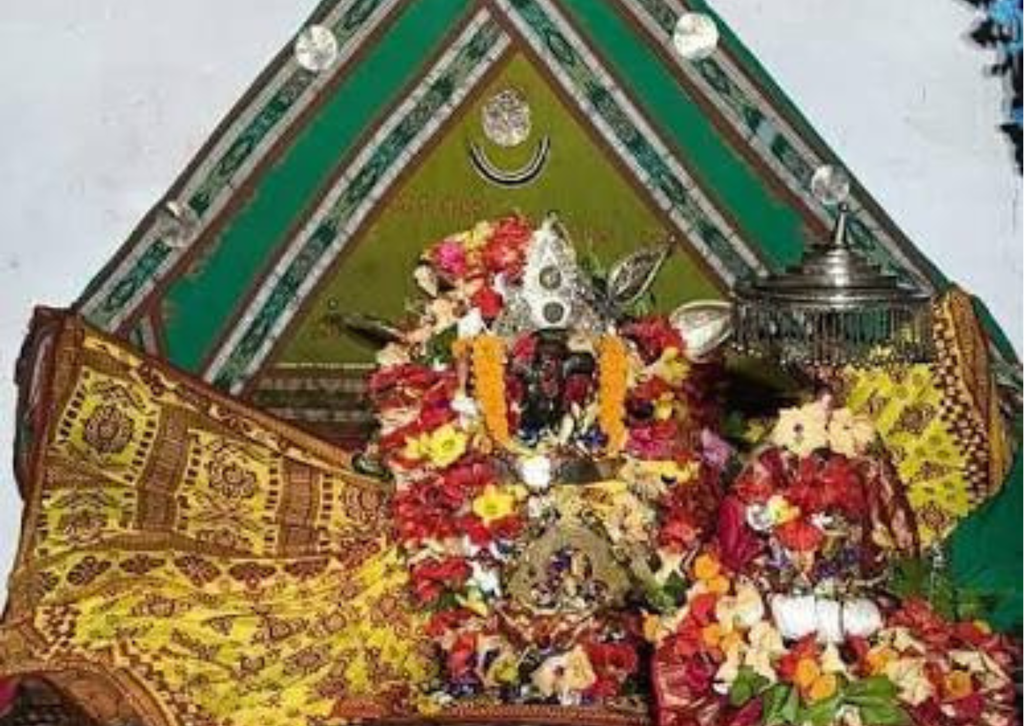
While the contrast shows the changing perspectives on traditional practices, it is important to respect cultural traditions and understand the difference between faith and medicine. Navaratri worship also has a broader cultural significance, the devotion to Goddess Durga, the celebration of feminine divine power and the reverence for women and motherhood.
Sonasati’s Role In Madhesh Religious Tourism
The annual tantric fair places Sonasati Devi Temple amongst the religious sites that contribute to Madhesh Province’s cultural and pilgrimage tourism landscape. Its unique Navaratri practices, long-standing local traditions, and visitor influx from Nepal and India give the shrine an individuality within the region’s religious calendar.
The fair is an opportunity to preserve and document local intangible cultural heritage, as well as an insight for visitors into the area’s spiritual traditions. Promotion of the temple and its annual gathering could bolster religious tourism in Mahottari, supporting local livelihoods and helping to raise awareness of the cultural destinations of Madhesh Province.