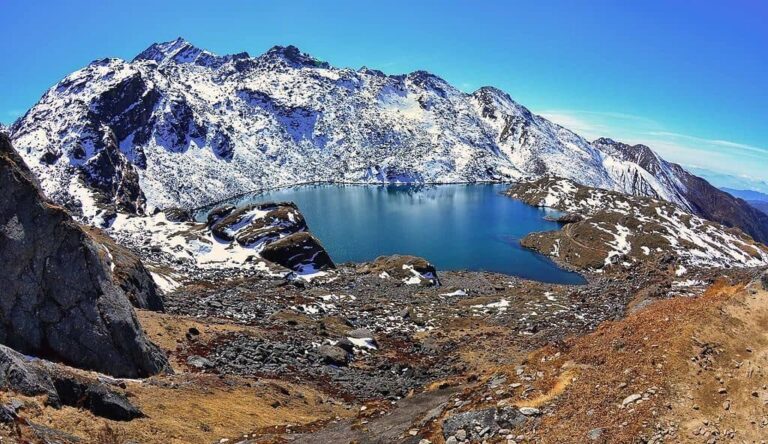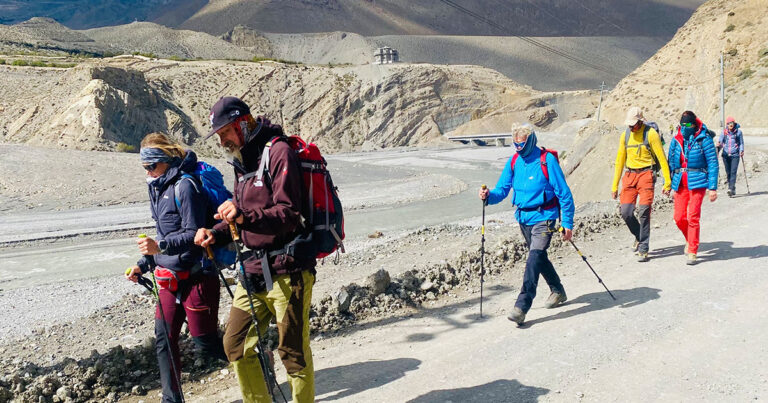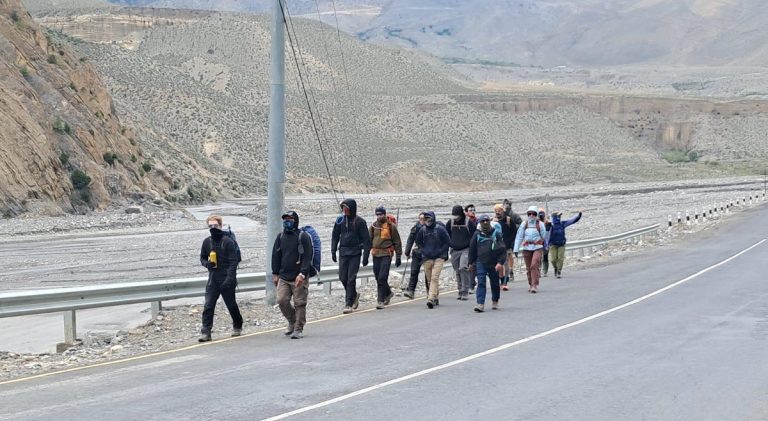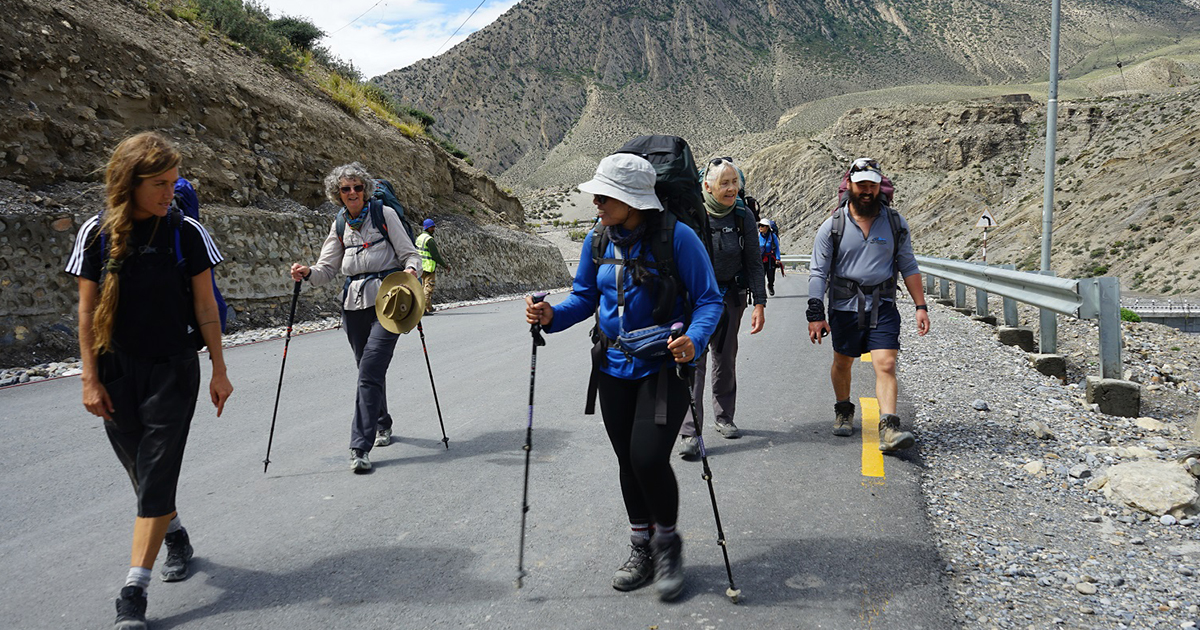
The Annapurna Conservation Area (ACA), Nepal’s most visited trekking destination, recorded a total of 299,831 tourist arrivals in 2025, reaffirming its position as the backbone of Nepal’s mountain tourism economy. According to official statistics, the region welcomed 122,203 international tourists and 177,628 visitors from SAARC countries, highlighting the growing importance of regional travel in sustaining tourism flows.
Despite political uncertainties and the impact of nationwide Gen-Z-led protest movements throughout the year, Annapurna maintained a resilient tourism performance, supported by strong seasonal arrivals, improved infrastructure, and renewed international interest in Himalayan trekking and eco-tourism.

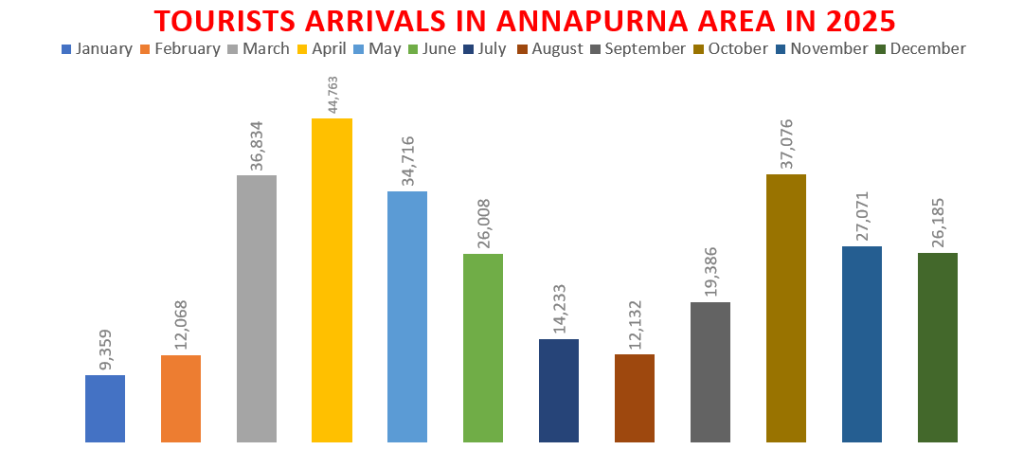
Tourist arrivals followed Nepal’s traditional trekking calendar, with March, April, October, and November emerging as the strongest months. April recorded the highest number of visitors, welcoming 44,763 tourists, followed closely by October with 37,076 arrivals and March with 36,834 visitors.
The spring season alone contributed more than one-third of the year’s total arrivals, fueled by favorable weather, blooming rhododendron forests, and improved trekking trails in key routes such as the Annapurna Base Camp, Ghorepani-Poon Hill, and Mardi Himal. The autumn tourism also remained strong, benefiting from international trekking groups, European holidaymakers, and regional travelers from India and Bangladesh.
SAARC Market Drives Consistent Growth
The visitors from SAARC countries played a dominant role throughout the year, accounting for nearly 60 percent of total arrivals. Months like May, June, and December saw particularly high SAARC inflows, helping stabilize tourism during the off-season when an international arrivals declined.
In May alone, SAARC arrivals reached 25,787, while December recorded 19,539 SAARC tourists, proving the growing appetite for short-haul mountain holidays among regional travelers. Tourism entrepreneurs note that the affordable travel packages, improved road connectivity to Pokhara, and increased regional air connectivity have significantly boosted this segment.
Gen-Z Protests and Their Impact on Tourism
One of the defining social factors of 2025 was the series of Gen-Z-led protest movements that took place across Nepal, particularly in urban centers including Kathmandu and Pokhara. These youth-driven demonstrations, focused on governance reform, employment opportunities, and transparency, created moments of uncertainty for international visitors, especially during mid-year.
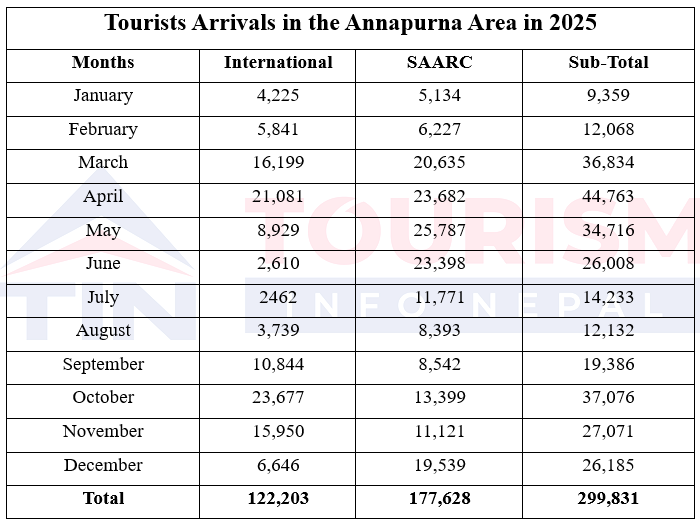
Tourism arrivals dipped notably during July and August, when combined political demonstrations and monsoon conditions led to reduced travel confidence. July recorded just 14,233 arrivals, while August fell further to 12,132 tourists. Travel agencies reported a temporary rise in booking cancellations and delayed travel plans, especially among long-haul European travelers.
However, the peaceful nature of the protests and continued government assurance regarding tourist safety helped prevent long-term damage to the sector. By September, tourist numbers rebounded sharply, marking a return of confidence in Nepal’s tourism stability.
Economic Contribution to Local Communities
The nearly 300,000 visitors generated substantial economic benefits for communities across the Annapurna region. Local hotels, teahouses, trekking guides, porters, transportation providers, and handicraft sellers reported improved business performance, particularly during the spring and autumn peak seasons.
Tourism revenue helped sustain employment in remote villages such as Ghandruk, Chhomrong, Manang, and Ghorepani, reinforcing Annapurna’s role as a major rural economic engine. Regional authorities also noted increased revenue from permits and conservation fees, which are reinvested into trail maintenance, waste management, and conservation programs.

Outlook for 2026
Tourism stakeholders remain optimistic about 2026, anticipating further growth supported by improved air connectivity, enhanced trekking infrastructure, and Nepal’s renewed focus on sustainable and inclusive tourism. With the youth movement continuing to influence policy discussions, industry leaders believe that increased accountability and reform could strengthen Nepal’s global tourism image.
The 2025 Annapurna statistics clearly demonstrate that even amid social change and political expression, Nepal’s mountain tourism remains resilient, adaptable, and increasingly driven by both international explorers and the rising SAARC travel market.