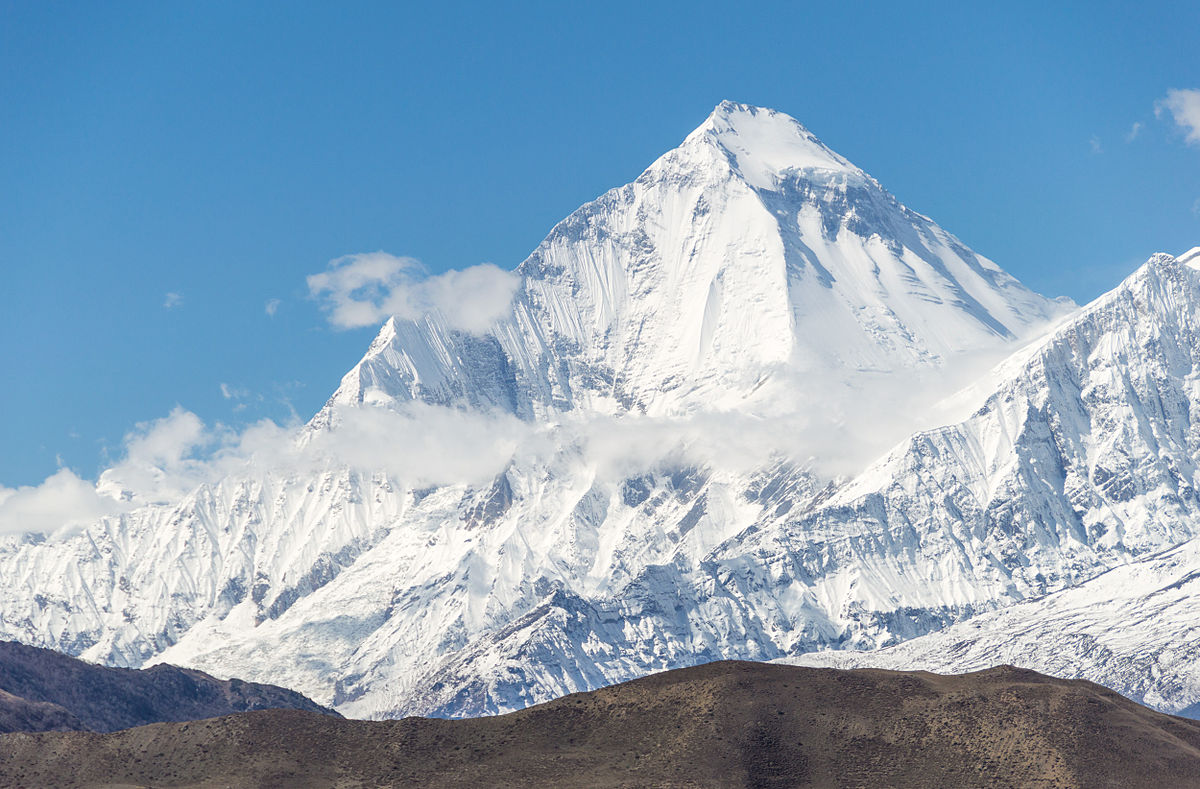
The autumn mountaineering season has officially begun on Dhaulagiri, the world’s seventh-highest mountain, standing tall at 8,167 meters. Located in Dhaulagiri Rural Municipality–4 of Myagdi district, this Himalayan giant continues to attract climbers seeking both adventure and glory.
Successful International Ascent
According to Mingma Sherpa, director of Seven Summit Treks, three international climbers, with the assistance of experienced Nepali Sherpas, successfully reached the summit on Sunday. The climbers included Jorge Egochega Rodriguez from Spain, Ping Lu from China, and Catherine Marcel Rosa Barry from France, supported by Nepali Sherpas Pema Norbu Sherpa, Tarman Tamang, and Pemba Tashi Sherpa.

The expedition was organized via Seven Summit Treks, which has coordinated multiple successful Himalayan expeditions. Mingma Sherpa confirmed that the team undertook extensive preparations, including route setting and rope fixing, to ensure the climbers’ safety during the ascent.
Preparation and Route Setting
The climb began in earnest on Friday, with a joint team of 14 summit expedition Sherpas and Seven Summit Trek’s mountaineers opening the route to the peak. On Saturday, they completed rope fixing, a crucial step in high-altitude mountaineering that ensures secure passage through dangerous sections.
Dhaulagiri, unlike other Himalayan peaks, is renowned for its unpredictable weather and high-risk terrain, which makes preparation essential. Climbers face steep ice walls, avalanche-prone slopes, and rapidly changing climatic conditions, which have earned the mountain a reputation as one of the more dangerous and challenging peaks in Nepal.
Autumn Climbing Permits and Statistics
The Department of Tourism reported that during this autumn season, climbing permits were issued to three groups consisting of seven women and seventeen men. The government collected NPR 50,71,000 in permit fees, reflecting the continuing popularity of high-altitude mountaineering.
For comparison, during the spring season, two groups comprising 15 climbers paid a total of NPR 36,91,260 in fees. However, the Dhaulagiri region remains perilous; in 2024, a group of 14 Russian male climbers lost their lives in an avalanche, underscoring the mountain’s inherent dangers.
Historical Significance
Dhaulagiri’s mountaineering history dates back to May 13, 1960, when Austrian mountaineer Kurt Diemberger and his team achieved the first successful summit. Since then, the peak has been a coveted destination for international mountaineers and adventurous Nepalis alike. Each climbing season brings together seasoned climbers and Sherpas to test their endurance and skill against one of the Himalayas’ most formidable challenges.
Risks and Challenges
Dhaulagiri is considered more technically challenging than many other Himalayan peaks due to its steep ridges, high-altitude exposure, and frequent avalanches. The mountain’s weather can change moment to moment, making ascent decisions critical. Despite these risks, climbers continue to pursue summits, driven by the prestige of standing atop the seventh-highest peak on Earth.
Experts emphasize that success depends not only on physical fitness but also on teamwork, careful planning, and experience in high-altitude mountaineering. Sherpas play a vital role, providing local knowledge, expertise in rope fixing, and support in navigating the hazardous terrain.
Economic and Tourism Impact
High-altitude mountaineering contributes significantly to Nepal’s tourism revenue. The fees collected from climbing permits are a substantial source of income for the government, supporting local communities and promoting mountaineering infrastructure. Autumn, known locally as Sharadayam, is considered an ideal season due to relatively stable weather conditions and clear skies, attracting climbers from across the globe.
The influx of international mountaineers also benefits local businesses, including trekking agencies, porters, lodging facilities, and transportation services, thereby contributing to the broader Himalayan economy.

International Collaboration and Sherpa Expertise
The recent successful ascent highlights the collaborative spirit between international climbers and Nepali Sherpas. Sherpas’ deep understanding of mountain conditions, acclimatization strategies, and technical climbing skills ensures higher chances of summit success and safety. This synergy between global mountaineers and local experts underscores Nepal’s continued leadership in Himalayan mountaineering.
The autumn ascent of Dhaulagiri this year marks another milestone in Nepal’s rich mountaineering history. With international climbers reaching the summit alongside expert Sherpas, the expedition reflects not only personal achievement but also the enduring appeal of Nepal’s high Himalayas. As autumn progresses, more climbers are expected to attempt this formidable peak, blending adventure, risk, and the timeless allure of the mountains.
Dhaulagiri remains a symbol of Nepal’s natural grandeur, challenging spirit, and status as a global mountaineering destination. Each successful ascent reaffirms the mountain’s significance in adventure tourism and showcases the essential role of Sherpa expertise in Himalayan expeditions.