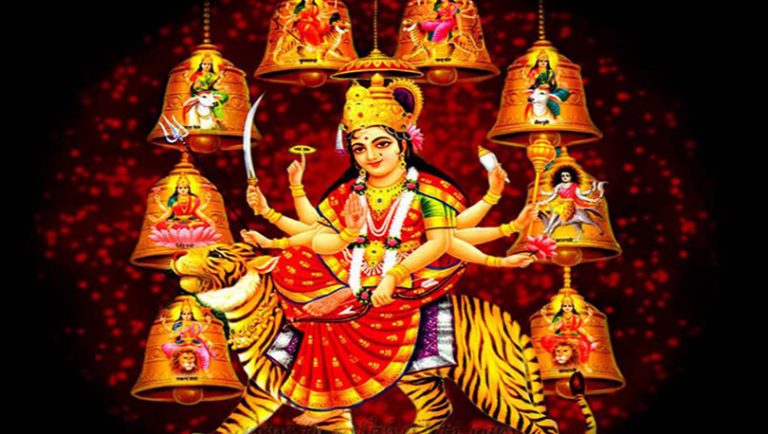
The auspicious occasion of Fulpati, one of the most significant traditions of the Bada Dashain festival, is being observed with great devotion and cultural fervor across the country today. On this day, families bring Fulpati, an assortment of flowers, leaves, and fruits considered sacred, into their homes, marking the seventh day of the 15-day-long festival. The ritual symbolizes prosperity, good fortune, and the blessings of Goddess Durga.
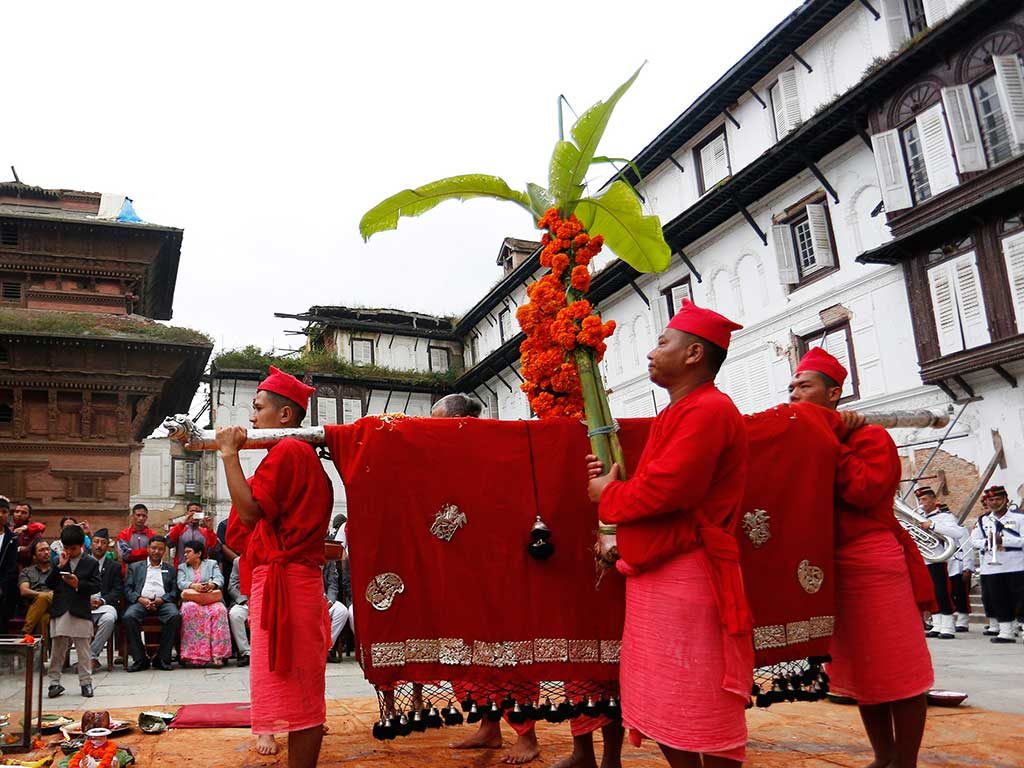
In Kathmandu, the centuries-old custom continues to hold great importance. Fulpati was ceremoniously brought to the Dashain Ghar at Hanuman Dhoka Durbar this afternoon, accompanied by rituals based on Vedic rites.

Historic Procession from Hanuman Dhoka
The traditional procession began from the Hanuman Dhoka Durbar premises, carrying the Fulpati towards Jamal before being enshrined at the Dashain Ghar. The grand event featured the Gurujyuko Platoon, units from the Nepal Army and Nepal Police, high-ranking Armed Police officials, civil servants, the traditional Asha Gurja team, and lively performances from military bands, folk ensembles, and panchebaja groups. Decorated kalsyoulis (ornamental vessels) added further vibrancy to the cultural pageantry.
The event drew large crowds of onlookers who gathered to witness the majestic display of Nepal’s living heritage. The procession is not just a religious practice but also a spectacle of unity, tradition, and national identity.
Changing Role in the Republican Era
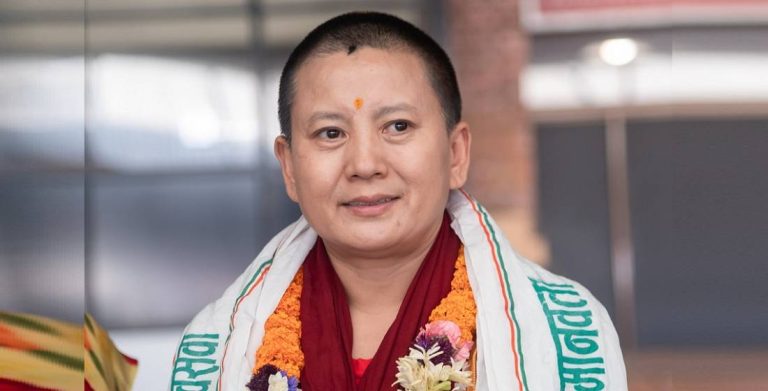
During Nepal’s monarchy, the King, as the Head of State, personally attended the Fulpati rituals at Hanuman Dhoka, underlining its national significance. However, since the establishment of the Republic, the role has transitioned to the state representatives. According to the Durbar Museum Development Committee, the Minister for Culture, Tourism, and Civil Aviation now formally attends the ceremony on behalf of the government.
This year, the auspicious time for bringing the Fulpati was set at 4:30 pm, and several dignitaries, including ministers, cultural leaders, and representatives of local authorities, were invited to witness the grand ritual.
Cultural and Religious Significance
Though the Dashain festival officially commences with Ghatasthapana on the first day, the celebration begins to take its most vibrant form from the day of Fulpati. For many families, this marks the beginning of the true festive season, with rituals, gatherings, and blessings intensifying.
The Fulpati represents the divine presence of Goddess Durga in the household. Once anointed at the Dashain Ghar, it is regarded as a symbol of prosperity and divine protection. Families across the country follow the tradition by welcoming the sacred assortment into their homes with prayers and offerings, seeking blessings for good health, happiness, and abundance.
National Holiday and Homecoming Tradition
The arrival of Fulpati also signals the start of an extended holiday season in Nepal. From this day onward, government offices, educational institutions, and many private organizations close their operations, enabling citizens to return to their ancestral homes.
This homecoming tradition is one of the most cherished aspects of Dashain. Families unite under one roof, celebrate with rituals, share festive meals, and receive tika and jamara blessings from elders. The practice reflects the cultural essence of Dashain as a festival of togetherness, respect, and renewal of family bonds.
Dashain as a Festival of National Unity
Dashain is not only the largest Hindu festival in Nepal but also one of the most inclusive celebrations observed across communities. The festival emphasizes harmony, as people from different walks of life, regardless of caste or region, take part in the rituals.
The Fulpati ceremony particularly showcases the blending of state, religion, and culture. The presence of military platoons alongside folk artists and religious leaders represents the unity of tradition and modern governance in Nepal’s cultural fabric.
Economic and Social Impact
Beyond its cultural importance, the Dashain season, beginning from Fulpati, also has a profound economic and social impact. Markets across the country witness a surge in activity, with families purchasing new clothes, household items, and sacrificial animals for the upcoming days of the festival. Transportation hubs remain crowded, as people travel to their hometowns.
The holiday also encourages various community initiatives, including cultural programs, fairs, and neighborhood gatherings, further reinforcing social ties. For many, the journey back home during Dashain is as significant as the rituals themselves, symbolizing the deep-rooted value of family and heritage in Nepali society.

Continuity of Tradition in Modern Times
While Nepal continues to adapt to social and political changes, the Fulpati tradition remains a constant reminder of the nation’s rich cultural heritage. The ritual serves as a living link between past and present, bridging ancient Vedic practices with contemporary celebrations. The enduring popularity of Fulpati highlights how traditional practices continue to thrive, even as modern lifestyles evolve. It stands as a symbol of resilience, faith, and continuity in Nepal’s cultural narrative.
The observance of Fulpati during Bada Dashain is more than a ritual; it is a celebration of faith, family, and national identity. From the grand procession in Kathmandu to the intimate ceremonies held in individual homes, Fulpati embodies the spirit of prosperity, unity, and devotion. As thousands of Nepalis return to their roots during this time, the festival serves as a reminder of the values of respect, tradition, and cultural pride that continue to define Nepal’s social fabric. With the rituals observed in grandeur today, the Dashain festival enters its most festive phase, uniting the country in joy and reverence.