The Department of Tourism (DoT) has reported a robust start to Nepal’s autumn mountaineering season, collecting over NPR 167.4 million in royalties from issuing climbing permits for 15 peaks across the country. Himal Gautam, Director of the Mountaineering Division, confirmed that from September 1 to 14, the government amassed NPR 167,404,711 in royalties, signaling a positive beginning for this critical period of tourism activity. This surge underscores Nepal’s continued prominence as a global hub for high-altitude climbing and trekking adventures.
Surge in Climber Participation
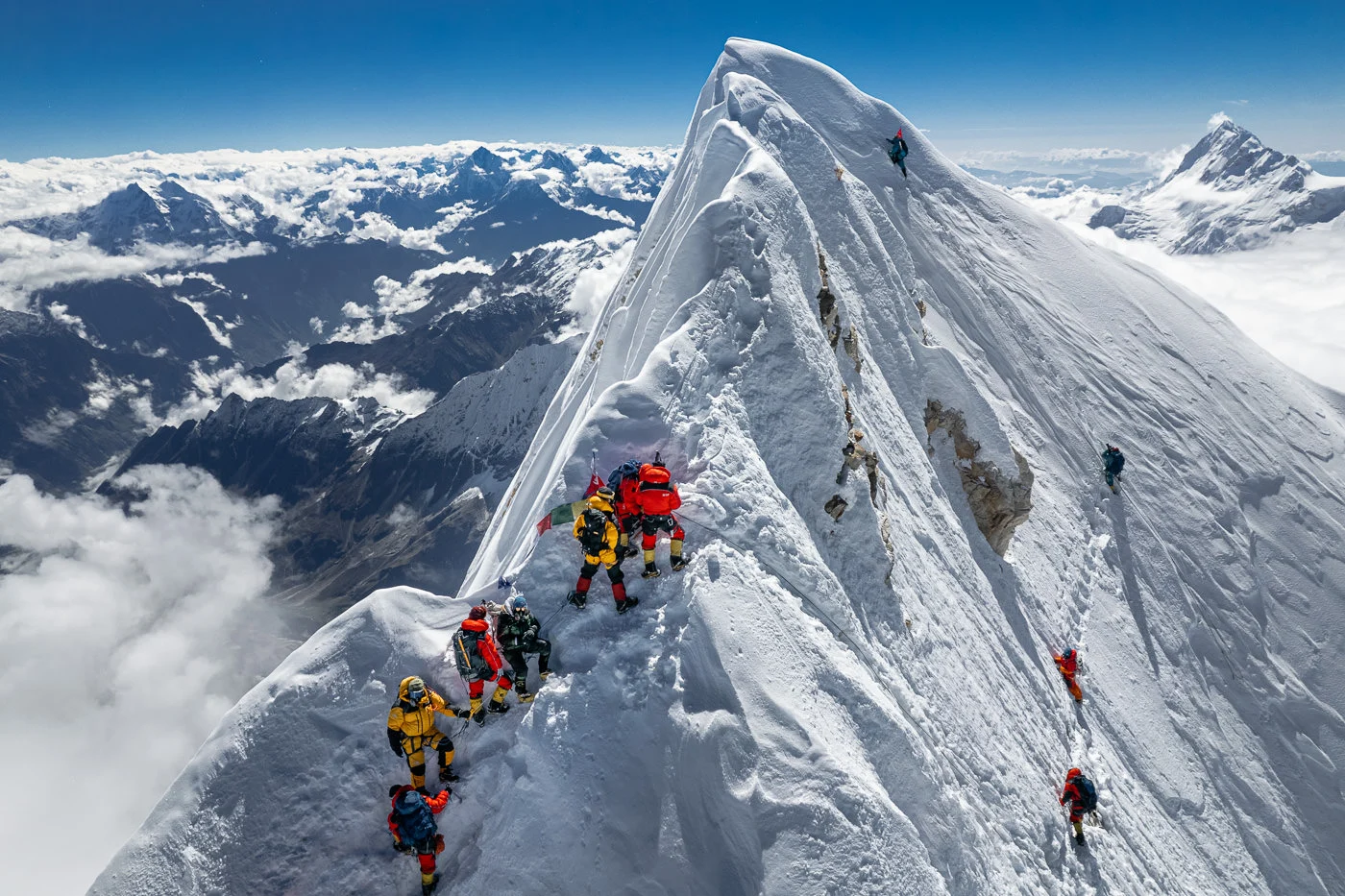
During the first two weeks of the autumn season, 457 climbers secured permits, including 347 males and 110 females, for 15 peaks. Manaslu, standing tall at 8,163 meters, attracted the highest number of climbers, with 371 permits issued—surpassing last year’s 308 permits for the same peak. Other major peaks drawing mountaineers include Dhaulagiri (8,167m), Nuptse (7,855m), Putha Himchuli (7,246m), Sagarmatha (8,848.86m), Lhotse (8,516m), Makalu (8,463m), Himlung Himal (7,126m), Kumbhakarna (Janu) (7,710m), Api (7,132m), Saribung (6,346m), Lhayuul Peak (6,395m), Chomna Peak (6,325m), Khyang (6,186m), and Aichyn (6,055m).

The issuance of permits to 47 climbing teams highlights a growing interest in Nepal’s peaks, both from domestic and international mountaineers. While popular destinations like Ama Dablam are yet to see significant permit applications, authorities anticipate an increase in the coming weeks as climbers finalize their itineraries and teams organize logistics.
Revenue Growth Boosts Tourism Prospects
The significant increase in royalties at the start of the season is a promising indicator for Nepal’s tourism industry. “The sharp rise in both royalties and permit issuance is highly encouraging,” said Director Gautam. “We expect these numbers to grow significantly by the end of the season as more climbers arrive, contributing not only to the government’s revenue but also to local economies supporting mountaineering and trekking activities.”
The autumn climbing season is a critical period for Nepal’s economy, drawing thousands of tourists who contribute to hospitality, transportation, guiding services, and local businesses. The Department of Tourism emphasizes the importance of effective management to ensure that climbers enjoy a safe and organized experience while minimizing environmental impact.
Minimal Impact from Recent Protests
Despite recent disruptions caused by the ‘Gen Z’ protests, authorities report minimal impact on mountaineering tourism. Coordinated efforts with the Nepal Tourism Board have ensured uninterrupted services, including continuous bus transfers from airports to hotels for tourists. Director Gautam emphasized that ensuring the safety and convenience of visitors remains a top priority. “Our teams are closely monitoring the situation, and we have implemented measures to provide essential services and facilities for climbers and trekkers,” he noted.
The department’s proactive measures have reassured both domestic and international climbers that Nepal remains a safe and accessible destination for high-altitude expeditions. By maintaining seamless transportation, lodging, and permit processes, authorities aim to provide an experience that meets global standards while promoting sustainable tourism practices.
Supporting Climbing Infrastructure and Services
To further enhance the climbing experience, the Department of Tourism continues to streamline management processes, coordinate with local communities, and support logistical services for climbers. From base camp facilities to route safety measures, authorities are committed to ensuring that the season progresses smoothly despite challenges.
The collaboration between government agencies, local communities, and tourism stakeholders plays a crucial role in sustaining Nepal’s reputation as a premier mountaineering destination. By providing well-coordinated services, clear guidelines for permits, and support for climbers, the authorities aim to make the autumn season both successful and safe.

Outlook for the Remainder of the Season
With the early success in permit issuance and revenue collection, the Department of Tourism expects continued growth in participation as the season progresses. Climbers are drawn not only by the challenge of Nepal’s world-famous peaks but also by the country’s cultural richness, scenic landscapes, and hospitality.
Authorities continue to encourage climbers to obtain permits early, follow safety protocols, and coordinate with local guides to ensure a smooth and memorable experience. The focus on responsible tourism, environmental stewardship, and climber welfare underlines Nepal’s commitment to maintaining its position as a top global mountaineering destination.