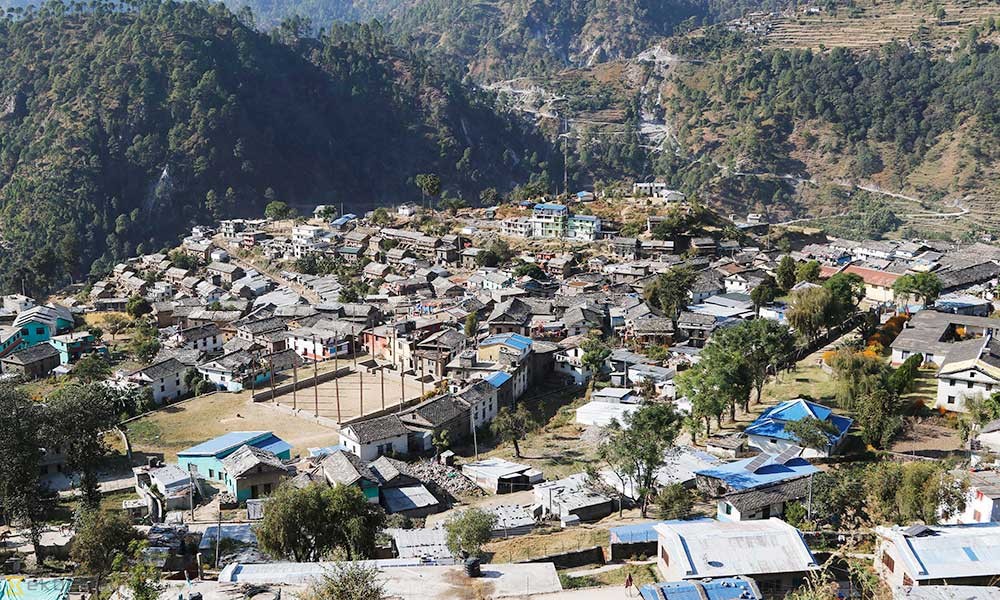
“Explore Bajura: From Panoramic Mountain Views to Vibrant Festivals, A Himalayan Paradise Awaits“
Nestled in the far-western reaches of Nepal, Bajura District remains one of the country’s most pristine and least-explored destinations. Located within Sudurpashchim Province, Bajura is a land of dramatic Himalayan landscapes, sacred pilgrimage sites, high-altitude meadows, and vibrant indigenous culture. Long isolated by geography, the district is now gradually stepping into the spotlight as an ideal destination for trekking, eco-tourism, and spiritual travel. Unlike Nepal’s more commercialized trekking regions, Bajura offers raw, unfiltered Himalayan beauty, an authentic experience for travelers seeking solitude, culture, and nature in its purest form.
A Sacred Landscape Anchored by Badimalika
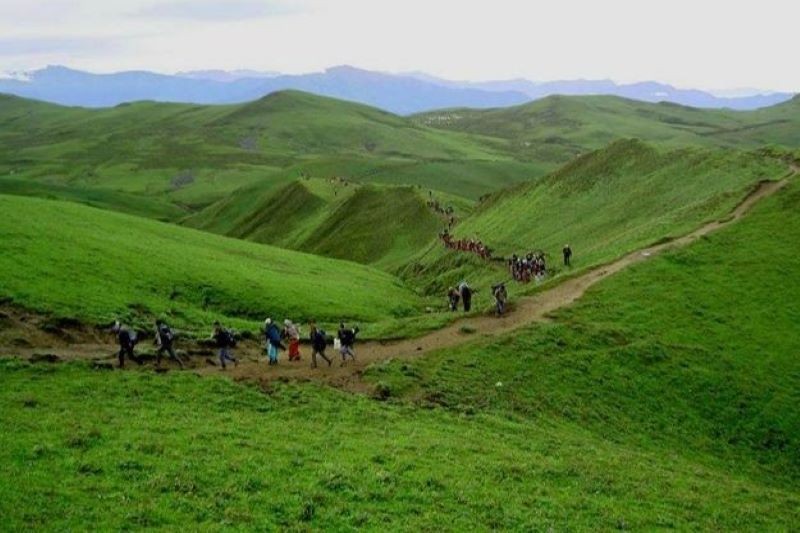
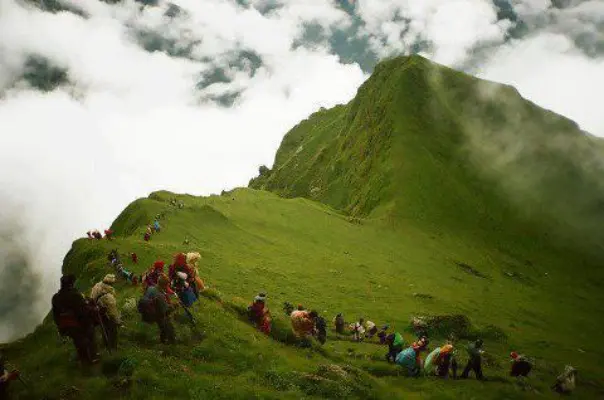
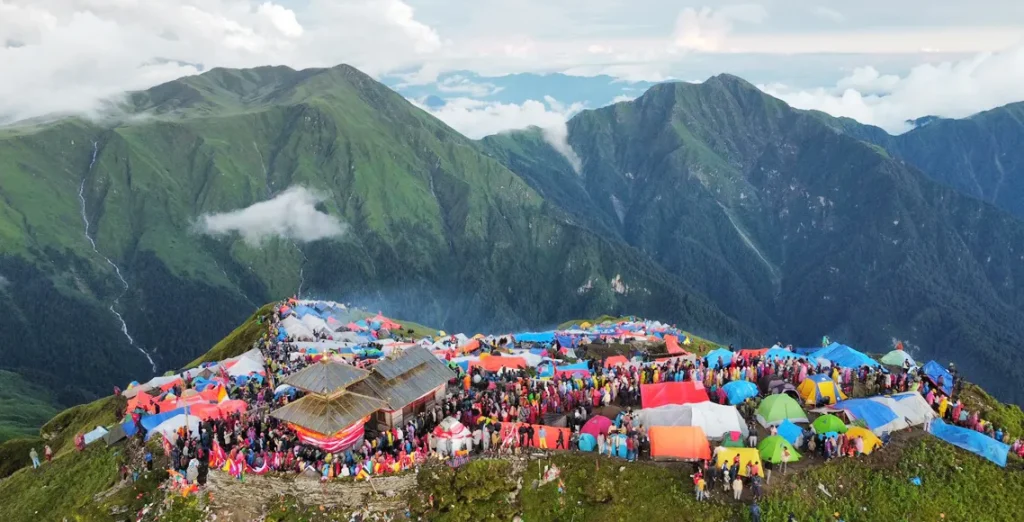
At the heart of Bajura’s tourism identity lies the revered Badimalika Temple, situated at an elevation of about 4,200 meters. Dedicated to Goddess Bhagwati, this remote shrine is one of western Nepal’s most significant spiritual destinations. Every year during the Janai Purnima festival, thousands of pilgrims undertake a demanding journey across rugged terrain to reach the temple.
The pilgrimage is not merely a religious event; it is a cultural spectacle. Devotees walk for days through alpine pastures, chanting hymns and performing traditional rituals, creating a living heritage experience that deeply connects spirituality with the natural environment. The panoramic mountain views visible from the temple, stretching toward the majestic Saipal Himal and Api Himal ranges, add to the mystical aura of the site. This fusion of faith, endurance, and Himalayan grandeur positions Badimalika as a cornerstone of pilgrimage tourism in Nepal’s far-west.
Triveni Patan and the Magic of Alpine Meadows
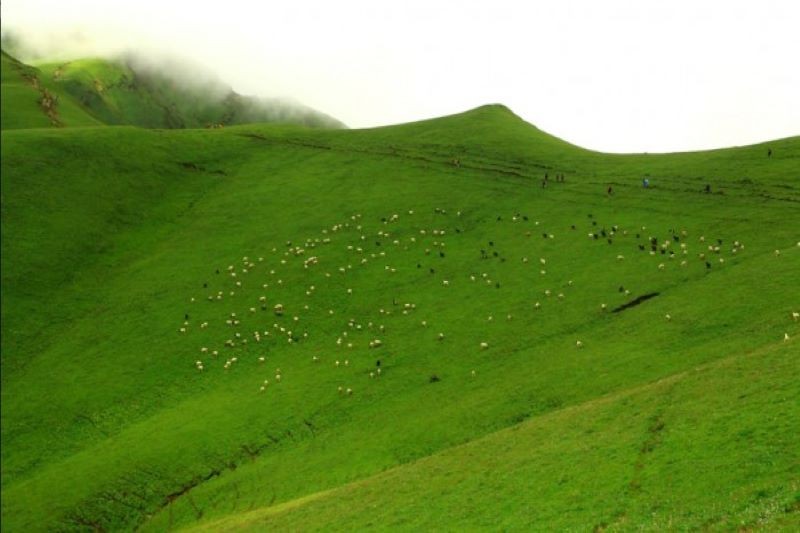
One of Bajura’s most breathtaking natural features is Triveni Patan, a vast high-altitude meadow locally known as a patan. During the monsoon and post-monsoon seasons, the grasslands transform into lush green carpets dotted with wildflowers, grazing livestock, and temporary settlements of herders.
These meadows serve both ecological and cultural purposes. For trekkers, they provide scenic camping grounds unlike any found in Nepal’s busier trekking corridors. For locals, they remain vital seasonal pastures sustaining traditional livelihoods. Tourism here naturally integrates with community life, offering visitors a rare opportunity to witness sustainable mountain living.
Lakes, Waterfalls, and Hidden Natural Wonders
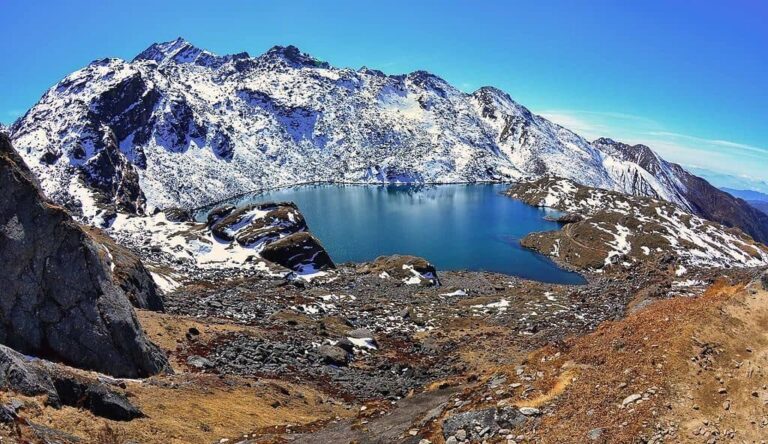
Bajura is also home to serene highland water bodies such as Budhinanda Lake, a tranquil alpine lake revered by both pilgrims and nature enthusiasts. The journey to the lake offers dramatic scenery and quiet reflection, making it ideal for meditative travel and photography.
Another emerging attraction is Birekhola Waterfall, located near the district headquarters of Martadi. Flowing most impressively between June and November, the waterfall has quickly become a favorite for domestic visitors and short hikers seeking accessible natural beauty. Other lesser-known yet equally captivating sites include Chhede Daha Lake and Dhawalpur Lake, both offering peaceful environments surrounded by dense forests and alpine terrain. These hidden gems demonstrate Bajura’s vast, largely untapped tourism potential.
Gateway to Biodiversity: Khaptad’s Untouched Wilderness
Parts of the renowned Khaptad National Park extend into Bajura, adding immense ecological value to the district. The park is celebrated for its rolling hills, spiritual ashrams, and remarkable biodiversity, hosting thousands of plant and animal species. For eco-tourists, Khaptad offers opportunities for birdwatching, herbal exploration, wildlife observation, and nature photography. The region’s isolation has preserved ecosystems that remain largely undisturbed, making it an important site for sustainable tourism development.
Trekking in Bajura: A Journey into the Untouched Himalayas
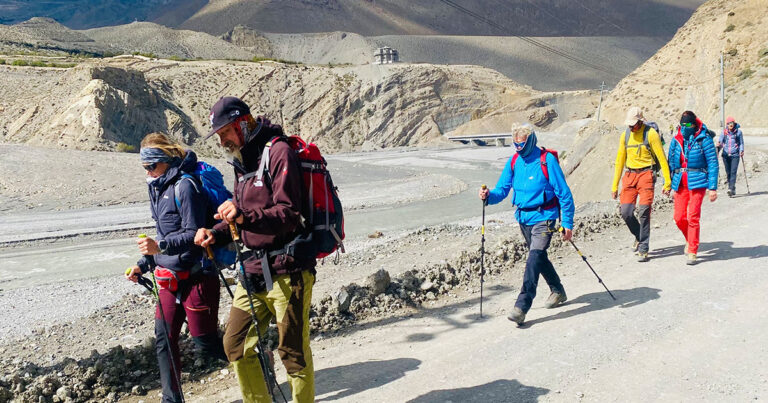
The Badimalika Trek is Bajura’s premier adventure route. Unlike commercial trekking trails filled with teahouses and crowds, this journey emphasizes wilderness exploration. Trekkers traverse rhododendron forests, remote villages, open ridgelines, and vast grazing lands while experiencing dramatic elevation changes.
What sets Bajura apart is its authenticity. Trails are still shaped by local use rather than tourism infrastructure. Visitors must rely on local guides and community support, ensuring that tourism income directly benefits residents. This model aligns closely with Nepal’s growing emphasis on responsible tourism, promoted by organizations such as the Nepal Tourism Board, which encourages exploration of new destinations to ease pressure on overcrowded regions.
Cultural Heritage and Living Traditions
Tourism in Bajura is inseparable from its cultural richness. Sacred sites like Nateswori Temple reflect deep-rooted traditions that continue to shape local identity. Festivals, oral histories, shamanistic practices, and communal gatherings provide immersive cultural experiences for visitors.
In areas like Ranisain and Jethi Bahurani Lekh, travelers encounter sweeping landscapes intertwined with folklore and seasonal rituals. These cultural landscapes represent an important dimension of experiential tourism, where storytelling, belief systems, and geography merge.
Best Seasons to Experience Bajura
Bajura’s climate and terrain make timing essential for travel:
Pre-Monsoon (March–May):
Clear skies, moderate temperatures, and blooming rhododendrons create ideal trekking conditions.
Post-Monsoon (Late August–November):
The most vibrant season, when meadows are lush, and the Janai Purnima pilgrimage brings cultural energy to the region.
Reaching Bajura: The Journey as an Adventure
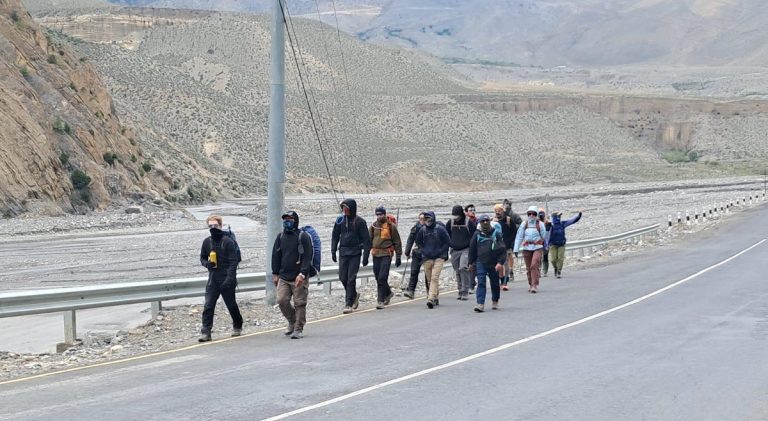
Accessibility remains one of Bajura’s greatest challenges, and part of its allure. The most convenient entry point is via flights to Kolti Airport, which connects the remote district to Nepal’s urban centers. Overland travel is possible but involves rugged, unpaved roads that wind through dramatic Far-Western landscapes. While infrastructure development is gradually improving connectivity, the district still retains the feeling of a frontier, an increasingly rare quality in modern tourism.
The Promise of Sustainable and Community-Based Tourism
Bajura stands at a pivotal moment. With its natural wealth, spiritual heritage, and cultural authenticity, the district holds immense promise as a model for sustainable Himalayan tourism. Rather than replicating mass-tourism patterns seen elsewhere, Bajura has the opportunity to build a low-impact, community-driven tourism economy.
Such an approach can:
- Generate local employment through guiding, homestays, and handicrafts
- Preserve fragile ecosystems and alpine biodiversity
- Safeguard cultural traditions while sharing them responsibly
- Diversify Nepal’s tourism offerings beyond established hubs
If carefully planned, Bajura could become a benchmark destination for travelers seeking meaning, not just movement.
Bajura: The Future Star of Far-Western Tourism
In an era when travelers increasingly seek unexplored landscapes and authentic cultural encounters, Bajura offers something profoundly rare: a destination still in harmony with its environment and traditions. From the sacred heights of Badimalika to the quiet expanses of Khaptad and the hidden beauty of its lakes and waterfalls, the district presents an extraordinary blend of spirituality, adventure, and ecological richness.
Bajura is not just another place to visit; it is a place to experience, to walk slowly, to listen deeply, and to rediscover the Himalayas as they once were. As Nepal broadens its tourism horizon, this far-western district is poised to emerge as one of the country’s most compelling new frontiers, an untouched jewel waiting to be explored responsibly.