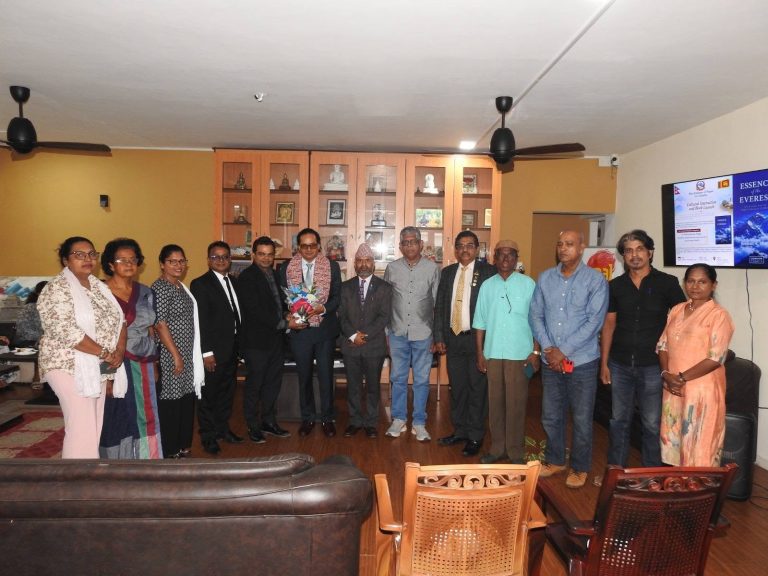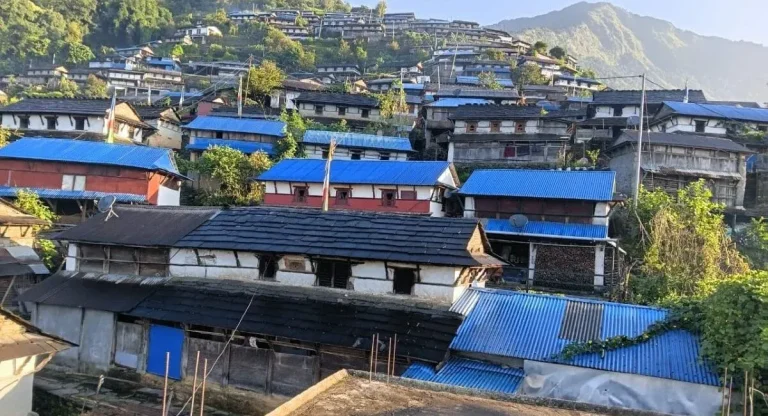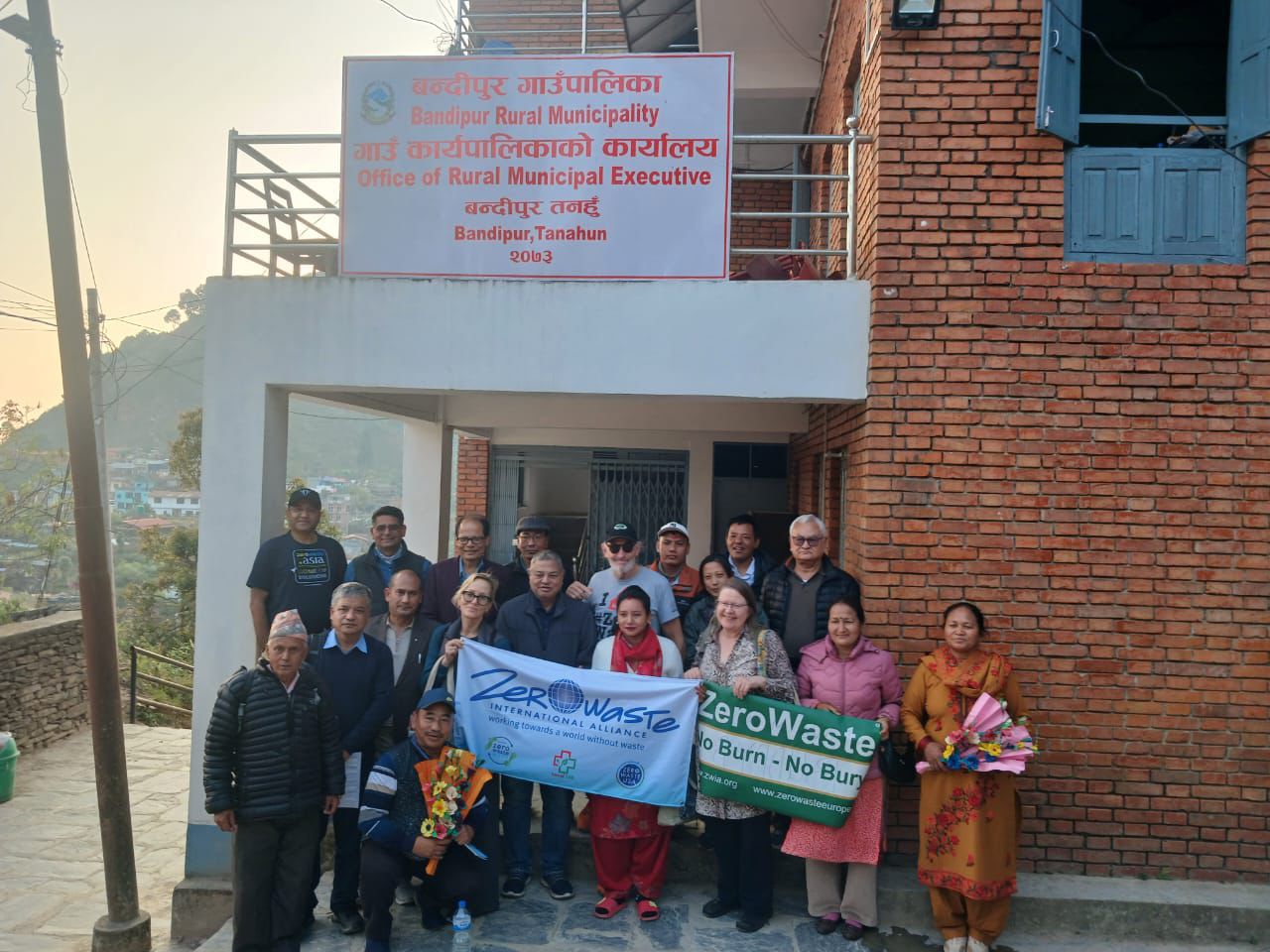
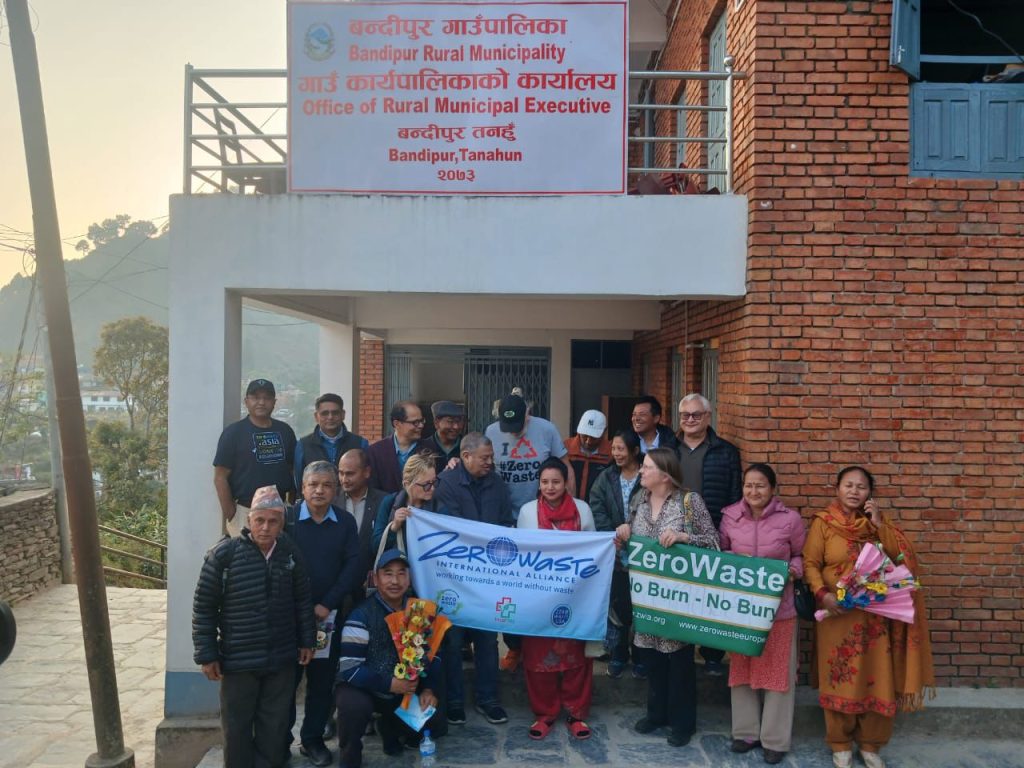
Zero Waste practices took center stage in Bandipur as local authorities, environmentalists, and tourism stakeholders gathered for an insightful workshop aimed at promoting sustainable tourism in the region. A significant step towards promoting sustainable tourism in Bandipur was taken on February 17, 2026, as Bandipur Rural Municipality, in collaboration with Rotary District 3292, the Club of Kathmandu Circle, and the Bandipur Social Development Committee, organized a comprehensive workshop on “Zero Waste for Bandipur Sustainable Tourism.”
The event, conducted under the slogan “Zero Waste: No Burn, No Bury,” brought together experts and environmentalists to share knowledge and strategies to make the place a model for eco-friendly tourism.
International Experts Share Insights on Zero Waste
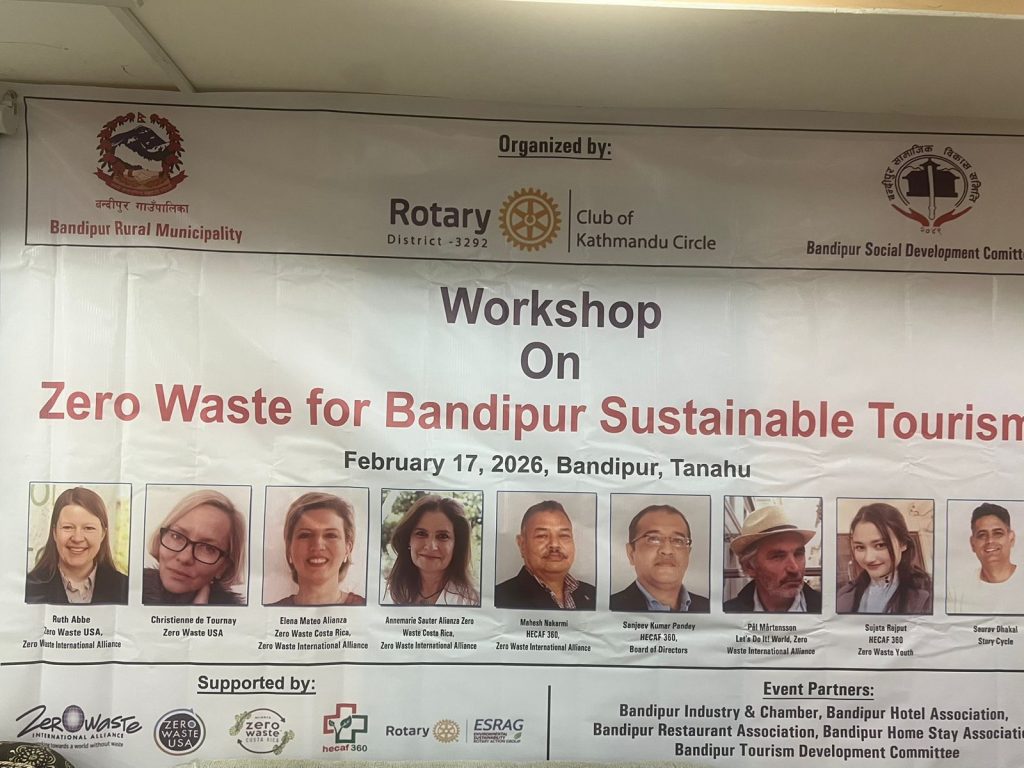
The workshop featured distinguished international speakers:
- Ruth Abbe Taro (Zero Waste USA, Zero Waste International Alliance)
- Christienne de Tournay (Zero Waste USA)
- Elena Mateo (Alianza Zero Waste Costa Rica, Zero Waste International Alliance)
- Annemarie Sauter (Alianza Zero Waste Costa Rica, Zero Waste International Alliance)
Alongside them, local experts like Mahesh Nakarmi (HECAF 360, Zero Waste International Alliance) and Sanjeev Kumar Pandey (HECAF 360, Board of Directors) shared their experience on sustainable practices. Noted nature conservationist and mountaineer P.K. Sherpa also highlighted the importance of preserving natural resources while promoting tourism.
P.K. Sherpa remarked: “Sustainable tourism is not just about attracting visitors; it’s about protecting the very environment that draws them here.”
Supported by Global and Local Organizations
The workshop was supported by organizations including Zero Waste International Alliance, HECAF 360, Rotary, and ESRAG, and had key local partners such as:
- Bandipur Industry & Chamber
- Hotel Association
- Bandipur Restaurant Association
- Bandipur Home Stay Association
- Bandipur Tourism Development Committee
These collaborations emphasized the importance of collective action in implementing no-waste initiatives and promoting eco-conscious tourism in the region.
Focus on Sustainable Tourism and Community Engagement
The workshop not only focused on reducing waste but also on educating local businesses and residents about responsible waste management practices. Strategies like segregating waste, avoiding incineration, and composting were highlighted as key tools to maintain its cultural and environmental integrity.
The program reinforced the idea that community participation and international collaboration are crucial in achieving sustainable tourism, making the place a leading example in Nepal.