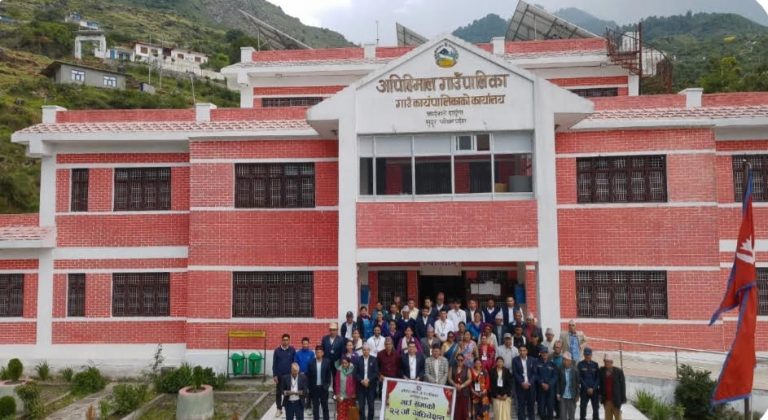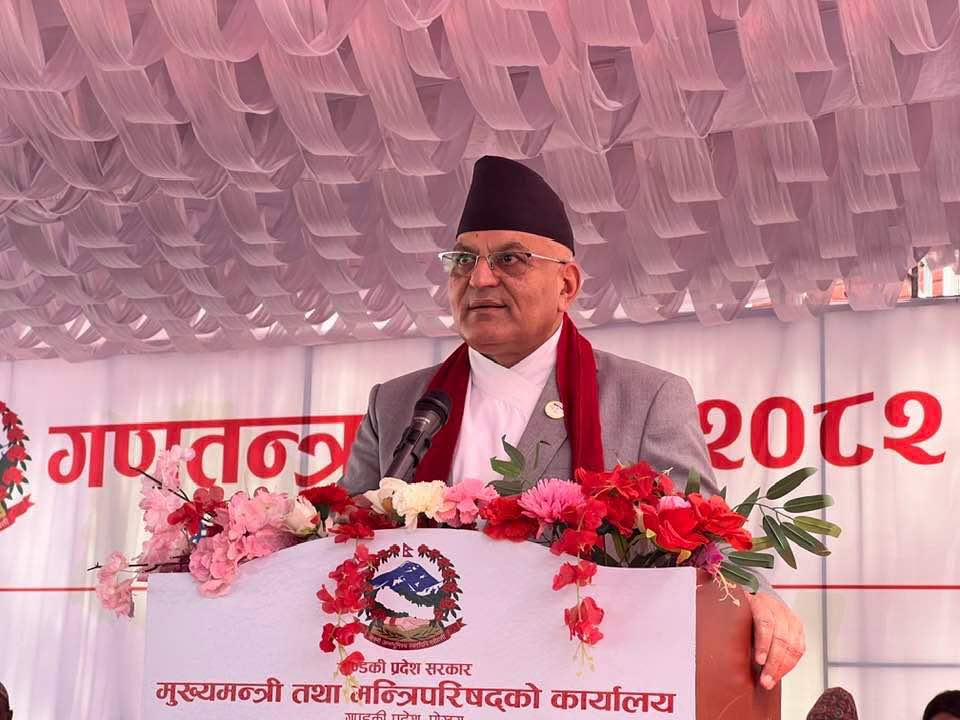
Gandaki Province Chief Minister Surendraraj Pandey has emphasized the need to develop Begnas Lake as a key tourist destination in the region. Speaking at the inauguration ceremony of the newly constructed Baraha Kshetra, Barahathan, Panchayan Devata Temple, and Laxmi Narayan Temple located at Begnas Lake premises under Pokhara Metropolitan City–31, Chief Minister Pandey expressed his commitment to developing the area as a “Garden of Natural Beauty”.
In his address, CM Pandey highlighted that Begnas Lake holds significant potential for religious and ecological tourism. He pointed out that, if developed properly in line with local aspirations, the area could attract more tourists, generate income, and encourage longer tourist stays in Pokhara. Stressing the importance of lake conservation and protection from encroachment, he urged the local community to support development activities based on a long-term master plan.
Key Role of Begnas Lake in Pokhara’s Tourism Vision
Chief Minister Pandey underlined the strategic role Begnas Lake can play in the ongoing campaign to transform Pokhara into a tourism hub. He noted that local businesses and tourism services around the lake must move toward modernization, offering quality services to attract both domestic and international travelers. He also stressed the need for sustainable development that balances economic benefits with environmental preservation.

Begnas as a Land of Knowledge and Spirituality
Joining the event, Vice-Chancellor of Gandaki University, Professor Dr. Indra Prasad Tiwari, remarked that the Begnas Lake area could be promoted as a “Land of Knowledge”. He cited ancient scriptures that describe the revered sage Chyawan Rishi having meditated and practiced yoga in the Begnas region. Highlighting the spiritual and educational significance of the area, Prof. Tiwari advocated for its dual development as a center of learning and pilgrimage tourism.
Cultural and Religious Importance of Baraha Area
Chief District Officer of Kaski, Rudradevi Sharma, acknowledged the historical, religious, and cultural value of the Baraha area. She expressed confidence that its systematic development would greatly contribute to the prosperity of Gandaki Province. CDO Sharma urged the concerned authorities to safeguard the site’s spiritual integrity while also enhancing its appeal for visitors.
Baraha Area Now Open to the Public
Chairman of Ward No. 31, Dhakanath Kandel, informed that the newly developed Baraha area has been officially opened to the public from Saturday. He emphasized the need to integrate culture, nature, and modern technology in developing the area as a prime tourism destination. Chairman Kandel also called upon the local community to actively participate in promoting the site and preserving its heritage.
Collaborative Support from Local Stakeholders
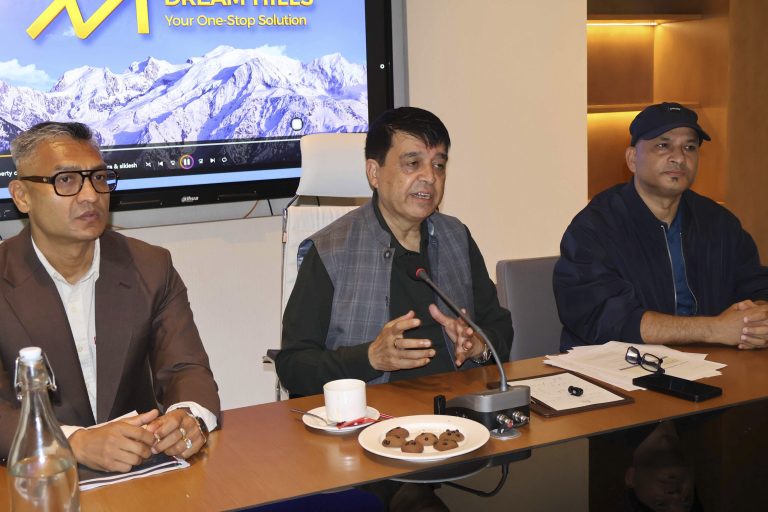
During the event, Narendra Thapa, Chair of Ward No. 26, Undersecretary Basanta Raj Tiwari, former president of Lekhnath Chamber of Commerce and Industry Chhatradhar Atreya, spiritual leader Dhruvanath Adhikari, and former chair of the construction committee Surendraraj Sapkota, along with Secretary Shreeram Kandel, shared their views on the rising tourism potential of Begnas Lake. They jointly expressed hope that the newly constructed Baraha Temple and associated infrastructure will act as a foundation for drawing attention to the area’s religious and recreational significance.
They emphasized that these developments are not just religious monuments but are valuable assets for promoting sustainable tourism, boosting the local economy, and preserving traditional values. Many speakers also stressed the need for improved connectivity, cleanliness, and promotional campaigns to raise awareness about Begnas Lake among potential visitors.
Future Development Plans and Local Expectations
Locals, religious leaders, and tourism entrepreneurs attending the event expressed optimism that with continued support from the provincial government, Begnas Lake and its surroundings can be transformed into a model destination that blends nature, spirituality, and culture.
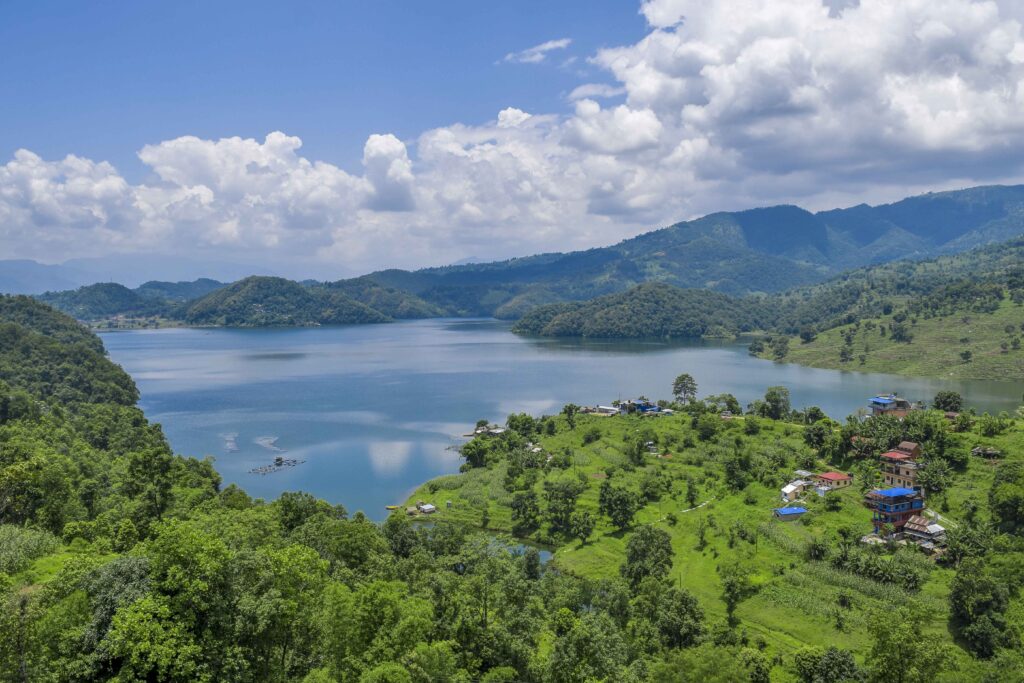
The speakers emphasized that such religious infrastructure, when combined with eco-tourism and proper amenities, can attract pilgrims, students, nature lovers, and cultural enthusiasts alike. However, they also called for long-term planning and adequate budget allocation, urging provincial and federal authorities to translate commitments into action.
A Step Toward Balanced Tourism Growth
The inauguration ceremony at Begnas Lake’s Baraha Kshetra marks a significant milestone in Gandaki Province’s efforts to diversify and deepen its tourism portfolio. As stakeholders align to promote this scenic and spiritual destination, the region stands at the threshold of becoming not just a recreational getaway but a holistic experience of culture, faith, and nature.
With proper infrastructure, guided preservation, and collaborative governance, Begnas Lake has the potential to stand shoulder-to-shoulder with Nepal’s top tourism sites, contributing to both local livelihoods and national pride.