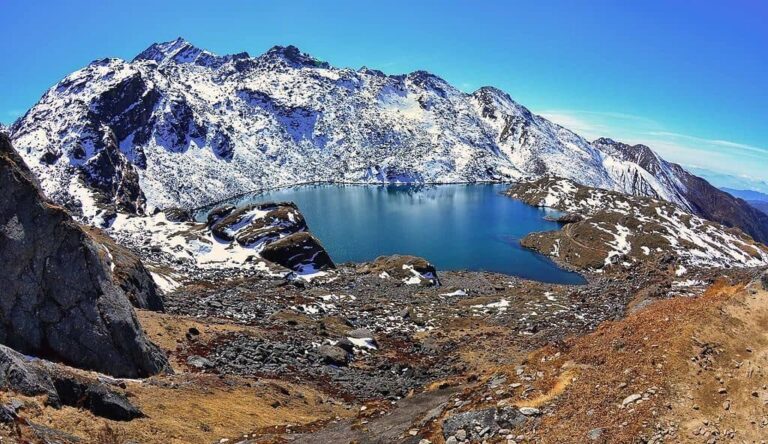
Despite its growing prominence as a destination for climate awareness and eco-tourism, the First Climate Conference venue located at Gufadanda in Melamchi Municipality-9 has remained in the shadows due to a lack of adequate infrastructure investment by the provincial and federal governments. The site, which gained recognition following the historic 2077 B.S. National Climate Conference, is struggling to fulfill its envisioned role as a hub for environmental dialogue and sustainable tourism.
Gufadanda Misses Out on Budget Allocation from Higher Governments
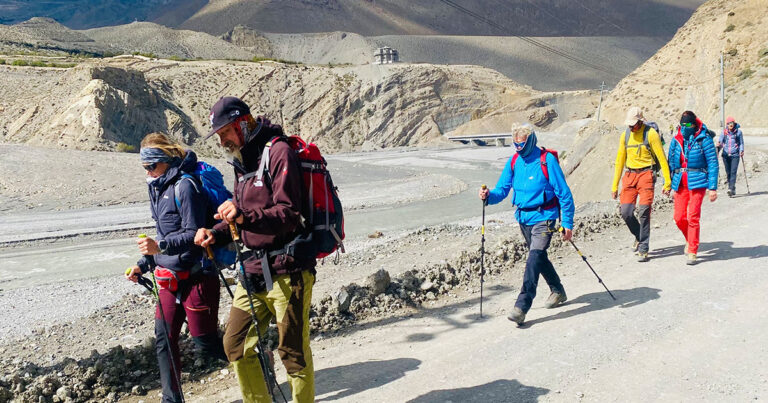
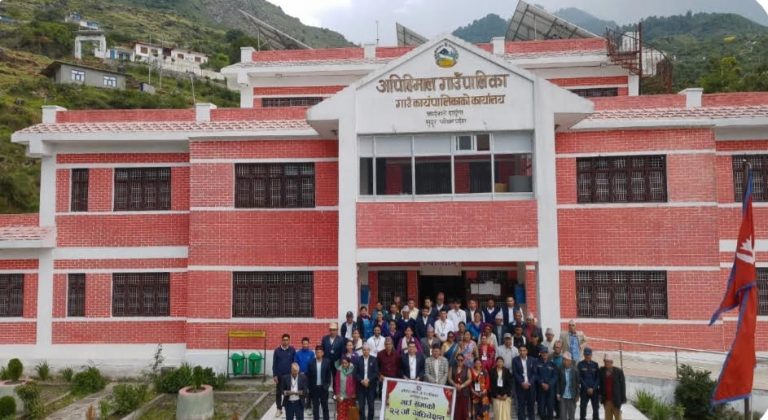
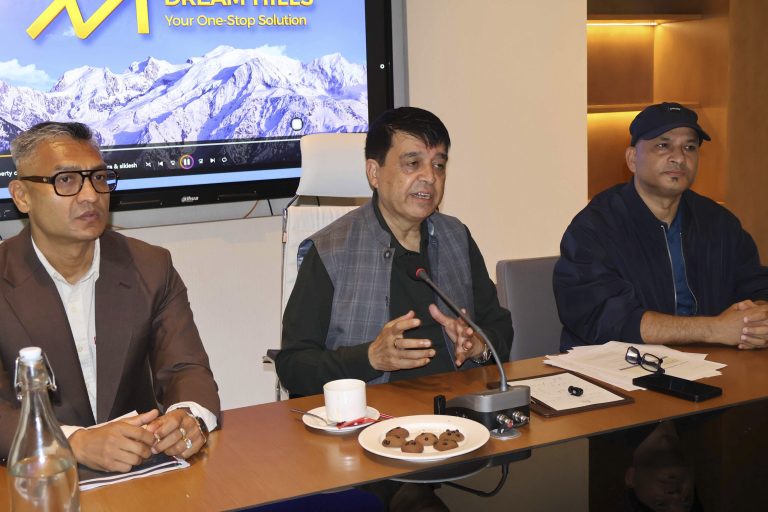
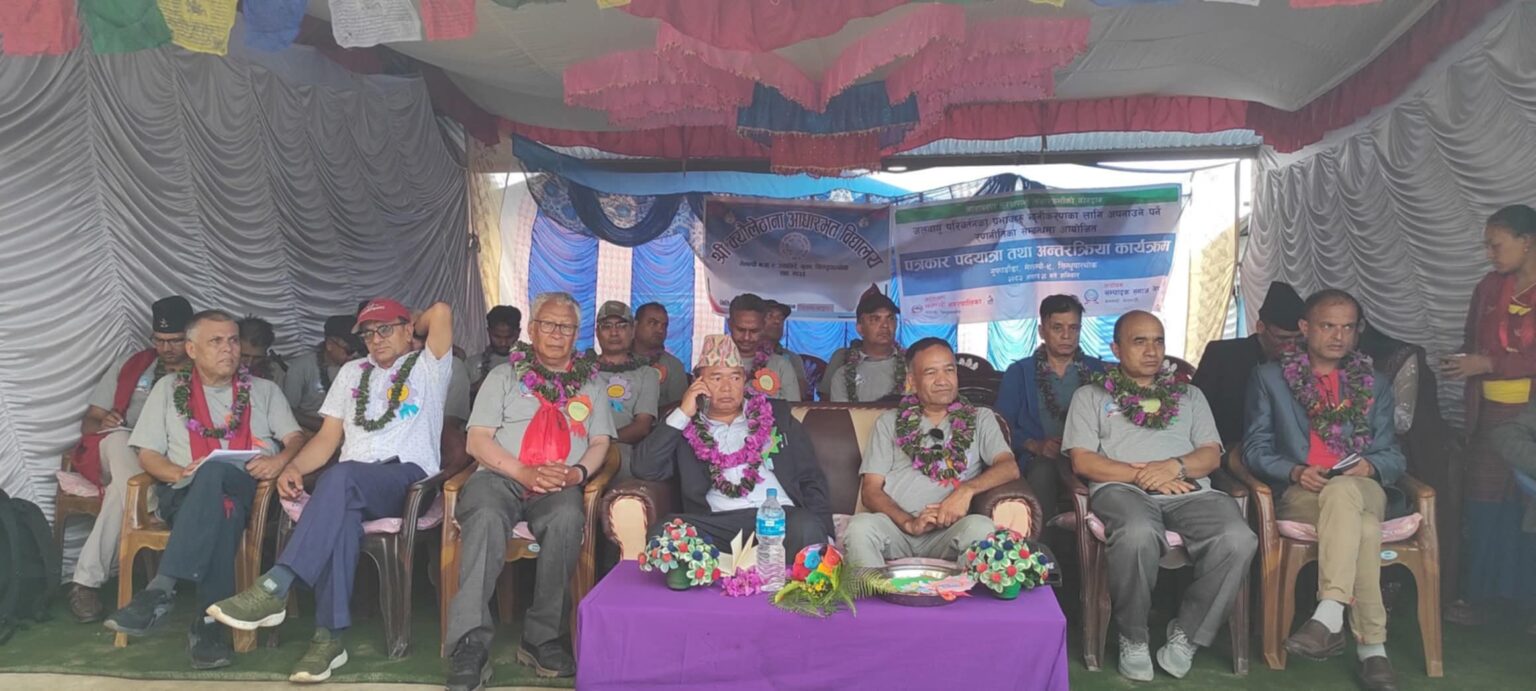
During a special event titled “Journalists’ Hike-2”, organized under the theme “Media’s Role in Environmental Conservation”, participants and local representatives voiced strong concerns over the lack of budgetary support from both the Bagmati Province and the federal government. The program, hosted by Editor Society Nepal with support from Melamchi Municipality, saw participation from journalists affiliated with various national and local media houses.
Addressing the gathering, Melamchi Mayor Aitman Tamang expressed disappointment at the unmet promises made by provincial ministers and chief officials during their earlier visits. “Despite verbal commitments to prioritize Gufadanda, no substantial development has followed. This is proof that the provincial leadership offered only hollow assurances,” said Mayor Tamang.
He further emphasized that Gufadanda has great potential to emerge as a key tourist and environmental destination, thanks to its scenic beauty, religious value, and cultural significance, but this would require serious investment and policy-level attention.
Local Government Shows Interest, But Progress is Slow
Ward Chairperson of Melamchi-9, Kirandeep Khadka, provided an overview of the work completed so far, noting that most of the progress at Gufadanda has been driven by local-level efforts. “Without proper support from provincial and federal levels, the expected growth in tourist numbers has not materialized. Much of the necessary infrastructure, including roads, visitor centers, and sanitation facilities, is still lacking,” he said.
The ward chairperson stressed that while community involvement and local enthusiasm are commendable, the scale of the project demands collaborative governance among all three tiers of government.
Journalists Advocate for Environmental Awareness and Action
Founder President Kiran Vaidya and General Secretary Shyam Dotel of Editor Society Nepal highlighted the importance of the event in bringing local issues to the national stage. “Media plays a crucial role in not only raising public awareness but also in pressuring governments to act on their environmental promises,” they shared.
Dhruba Dangal, President of the Federation of Nepali Journalists (FNJ) Sindhupalchok chapter, echoed similar concerns. He pointed to Gufadanda as a prime example of how lack of coordination among local, provincial, and federal entities has led to delayed or abandoned projects.
Call for Climate Policies and Long-Term Vision
Participants at the event collectively emphasized the need for a coordinated policy framework and long-term planning to address the growing challenges of climate change. Several speakers called for the government to prioritize budget allocation for eco-sensitive zones like Gufadanda and involve experts in environmental planning.
“The absence of basic infrastructure at a site that once hosted the nation’s first climate conference sends a negative message,” said one of the attending journalists. “If the government fails to implement its own declarations, how can we expect local communities to take climate action seriously?”
Historical Significance of the Climate Conference Site
Gufadanda rose to prominence in 2077 B.S., when the District Coordination Committee of Sindhupalchok organized Nepal’s first-ever national climate conference, with participation from all 77 districts. The initiative was led by then-coordinator Krishna Gopal Tamang, who emphasized the location’s suitability as a long-term site for environmental summits.
During the conference, a 10-point Climate Declaration was released, and symbolic infrastructures were initiated to reflect environmental values. Among them was a statue of a man carrying the Earth, representing the weight of environmental responsibility. A set of stairs flanked by the names of all 77 districts and the national flag was also constructed, along with the beginning of a view tower and other structural enhancements.
Urgent Need for Budget and Infrastructure
Participants at the Saturday event reiterated the need to recognize Gufadanda as a national climate venue and develop the necessary infrastructure to support its vision. Proposals included building paved roads, a research center, an eco-park, a weather observatory station, and guest facilities for future conference participants.
Purba Bahadur Tamang, chair of the School Management Committee of Kyaulthana Basic School, chaired the program and urged all levels of government to ensure that budget allocation is not only promised but implemented.
Support from Shankharapur Municipality
The event also received backing from Ramesh Sthapit, Mayor of Shankharapur Municipality, who welcomed the participating journalists and pledged continued collaboration with Editor Society Nepal. “Partnerships between municipalities and civil society groups are vital in ensuring that climate advocacy does not lose momentum,” he stated.
While Gufadanda remains symbolically significant, the delay in fulfilling the promises made during the 2077 conference has disheartened local stakeholders. However, events like Journalists’ Hike-2 serve as a reminder of the site’s potential and the urgent need to transform rhetoric into reality. With proper investment, political will, and sustained advocacy, Gufadanda could still be transformed into a model climate action zone, setting a precedent for other regions in Nepal.