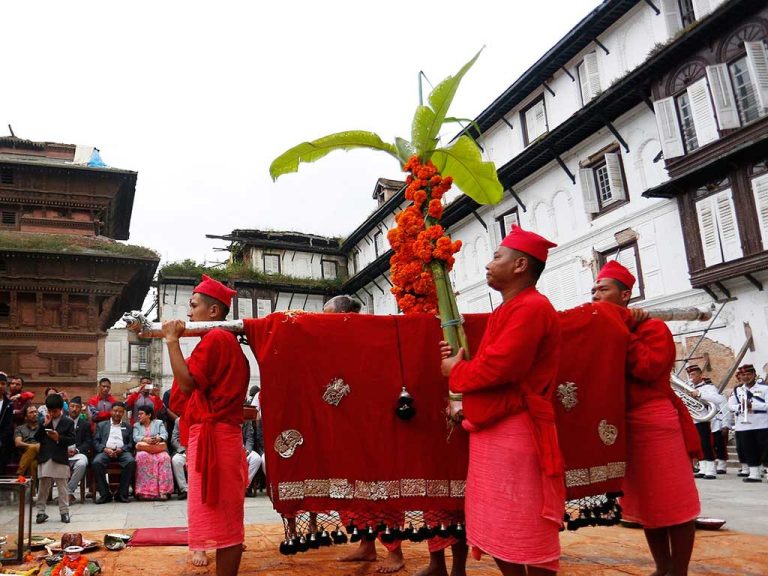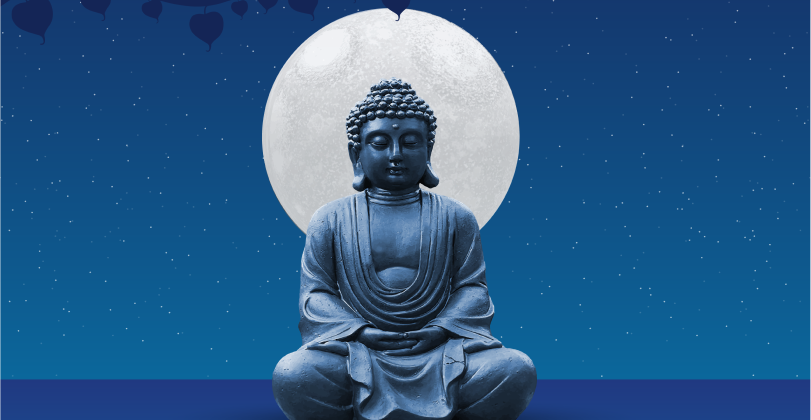
Buddha Jayanti, also known as Buddha Purnima, is one of the most significant and sacred festivals celebrated by Buddhists around the world. Observed on the full moon day of the month of Baisakh (April-May), it marks the birth, enlightenment, and death (Mahaparinirvana) of Gautama Buddha. In Nepal, the birthplace of the Buddha, the occasion holds profound religious and cultural importance and is celebrated with great reverence and devotion.
Historical Significance of Buddha Jayanti
Siddhartha Gautama, who later became known as the Buddha or “The Enlightened One,” was born in 623 B.C. in Lumbini, located in present-day Nepal. Born into a royal family, he renounced worldly pleasures at the age of 29 in search of the ultimate truth and liberation from the cycle of suffering. After years of meditation and ascetic practices, he attained enlightenment under the Bodhi tree in Bodh Gaya, India. He spent the rest of his life spreading the teachings of compassion, non-violence, and the Middle Path until his passing at the age of 80 in Kushinagar.
The Unique Triple Celebration
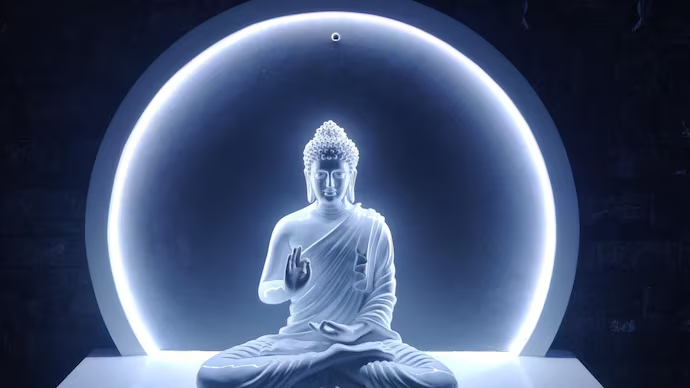
What makes Buddha Jayanti especially unique is that it commemorates three pivotal events in the life of the Buddha his birth, his enlightenment, and his death all of which, according to Buddhist tradition, occurred on the same day of the year. This triple-fold celebration reminds followers of the transient nature of life and reinforces the teachings of mindfulness and compassion that Buddha emphasized.
Rituals and Celebrations in Nepal
In Nepal, where Buddha is revered not just as a religious figure but as a symbol of national pride, Buddha Jayanti is a public holiday. Celebrations are particularly grand in Lumbini, Swayambhunath, Bouddhanath, and other sacred Buddhist sites. Pilgrims and tourists from around the world visit these locations to partake in religious ceremonies and observe the rich cultural traditions.
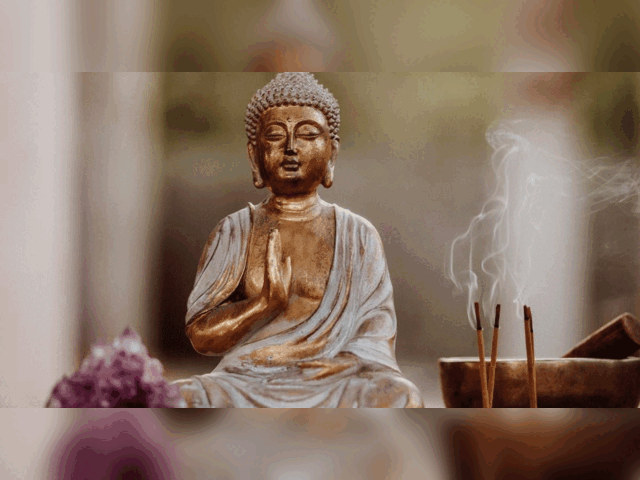
Monasteries and stupas are adorned with prayer flags and butter lamps. Devotees gather early in the morning for prayers and chants, offering flowers, incense, and alms to monks. Vegetarian meals are typically prepared, and people abstain from alcohol and meat as a sign of respect. Dharma talks and recitations of the Tripitaka (Buddhist scriptures) are held in temples, while processions featuring images of the Buddha are common in major cities.
Lumbini: The Heart of the Celebration
Lumbini, the UNESCO World Heritage Site and the birthplace of Lord Buddha, becomes the epicenter of celebrations. Thousands of devotees, monks, and international visitors converge in this serene location to participate in special pujas and meditation sessions. The Maya Devi Temple, built at the exact spot where Queen Maya Devi gave birth to Siddhartha Gautama, is the focal point of the festivities. The entire Lumbini Development Zone, which includes monasteries built by different countries, comes alive with cultural exchange and spiritual harmony.
Global Observance of Buddha Jayanti
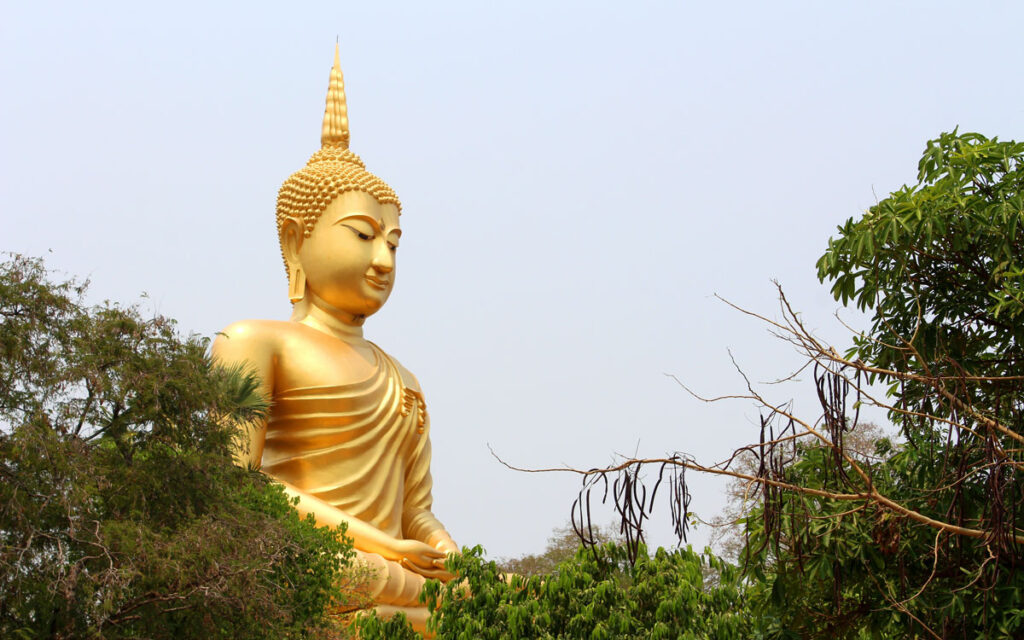
Although it is rooted in the Himalayan region, Buddha Jayanti is now celebrated worldwide. Countries like Sri Lanka, Thailand, Myanmar, Cambodia, Laos, Vietnam, Japan, South Korea, and even parts of Europe and North America observe this day with various degrees of cultural variation. While the dates may vary slightly due to differences in lunar calendars, the essence remains the same honoring the Buddha and his message of peace, tolerance, and enlightenment.
Symbolic Acts and Values
Buddha Jayanti is more than just a festival; it is a day of introspection and spiritual awakening. Devotees engage in charitable acts such as distributing food, donating to the needy, and freeing animals as symbols of compassion. Schools, monasteries, and community centers often hold discussions and exhibitions on the life and teachings of Buddha to educate the younger generation. It is a time to reflect on the core principles of Buddhism non-attachment, self-discipline, and universal love.
Tourism and Economic Impact
The celebration of Buddha Jayanti also has a significant impact on Nepal’s tourism industry. The influx of pilgrims and international visitors to Lumbini and other Buddhist heritage sites boosts the local economy, creating opportunities for hotels, local guides, artisans, and transport providers. Cultural tourism centered around Buddhist festivals is increasingly seen as a means to promote Nepal’s heritage on a global platform while fostering interfaith and intercultural dialogue.
Buddha Jayanti in the Modern World
In today’s fast-paced, often materialistic world, the relevance of Buddha’s teachings has grown even stronger. His emphasis on inner peace, mindfulness, and compassion resonates with people across all walks of life. Buddha Jayanti offers a moment to pause, reflect, and reconnect with spiritual values that promote harmony and well-being. It also serves as a reminder of the importance of tolerance and mutual respect in a diverse world.

Buddha Jayanti is not merely a religious observance; it is a universal celebration of peace, wisdom, and humanity. As the birthplace of Lord Buddha, Nepal holds a special place in the global Buddhist community, and its celebrations are a vibrant blend of devotion, culture, and tradition.
Whether one is a follower of Buddhism or not, the teachings of the Buddha have the power to inspire individuals toward a more compassionate and meaningful life. Celebrating Buddha Jayanti allows us to honor the legacy of a great teacher and recommit to values that foster a better world for all.