Tourism in the Canary Islands is on track to achieve a major milestone, with over 18.4 million visitors expected in 2025. This record-breaking figure underscores the archipelago’s enduring appeal as a year-round vacation destination, thanks to its warm climate, stunning landscapes, and rich cultural heritage. European tourists, particularly from the United Kingdom, Germany, and Spain, account for a significant portion of the visitor influx, solidifying the Canary Islands as one of Europe’s top tourism hubs.
Economic Reliance on Tourism and Concerns About Sustainability
While tourism continues to drive economic growth, local authorities and experts have emphasized the need for economic diversification to avoid overdependence on a single industry. The so-called “tourism monoculture” has drawn criticism for making the local economy fragile and susceptible to external shocks.

Healthcare professionals, especially in the mental health sector, have also raised concerns about the societal impacts of heavy tourism reliance, citing elevated stress levels and associated mental health issues among the local population. Authorities stress that sustainable planning and diversification are crucial to safeguarding both economic and social stability in the islands.
Lanzarote: Tourism Debates and New Developments
Lanzarote, one of the most popular Canary Islands, is undergoing a notable transformation in its tourism development. In 2023, the local Cabildo (government) proposed declaring the island “touristically saturated” to manage visitor numbers and limit overdevelopment. However, a political shift saw the Coalición Canaria party assume control, putting the plans on hold.
Despite the shelving of these measures, Lanzarote has experienced a surge in new holiday rentals, hotel developments, and tourist apartment complexes. The debate around managing the island’s tourism capacity has intensified, with proponents of restriction aiming to protect natural beauty and local quality of life, while opponents highlight the economic benefits of continued growth and employment opportunities.
New Luxury Resort Signals Shift to High-End Tourism
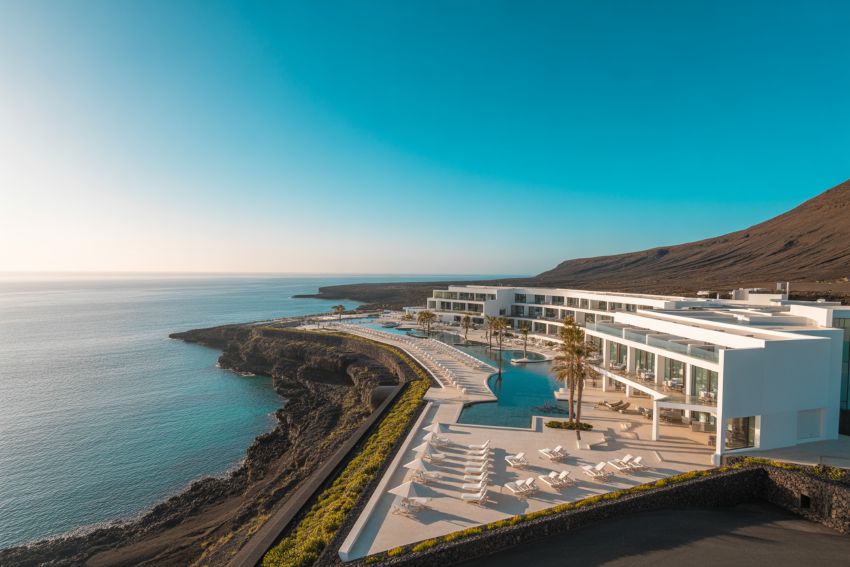
Amid this ongoing debate, a new five-star luxury resort has been announced in Playa Blanca, near Marina Rubicón, marking a significant shift toward high-end tourism. Developed by Canarian Hospitality, which has a strong record in the region, the resort will feature 97 suites with private swim-up pools, a dedicated breakfast restaurant, and an à-la-carte dining venue open to both guests and the public.
Construction is slated to begin in February 2026, with a projected opening in 2028. The resort aims to provide an exclusive experience while integrating local culture and sustainable practices. It is part of a broader partnership with Radisson Hotel Group to expand luxury tourism offerings across the Canary Islands and Southern Europe.
Luxury Tourism as a Tool for Sustainable Growth
High-end resorts like the one in Playa Blanca are seen as a strategy to diversify the tourism sector and encourage more sustainable growth. By attracting wealthier visitors, these developments generate higher revenue per tourist while reducing strain on local infrastructure. This model supports long-term economic growth without overwhelming the islands’ resources or compromising their natural charm.
Local leaders and environmental groups, however, emphasize the importance of balancing development with conservation. They advocate preserving Lanzarote’s unique landscapes and cultural heritage while ensuring that tourism benefits both visitors and residents.

Looking Ahead: Balancing Growth and Conservation
The Canary Islands’ tourism trajectory indicates continued growth, particularly in the luxury segment. Yet the region faces the ongoing challenge of balancing expansion with environmental protection and community well-being. Innovative strategies, sustainable practices, and careful planning will be essential to maintain the islands’ appeal as a top global destination.
As the Canary Islands welcome millions of visitors each year, the focus on responsible, high-end tourism offers a model for economic resilience, environmental stewardship, and enhanced visitor experiences. By fostering a luxury tourism sector while addressing the challenges of a tourism-heavy economy, the archipelago aims to preserve its unique identity while securing its future as a world-class travel destination.