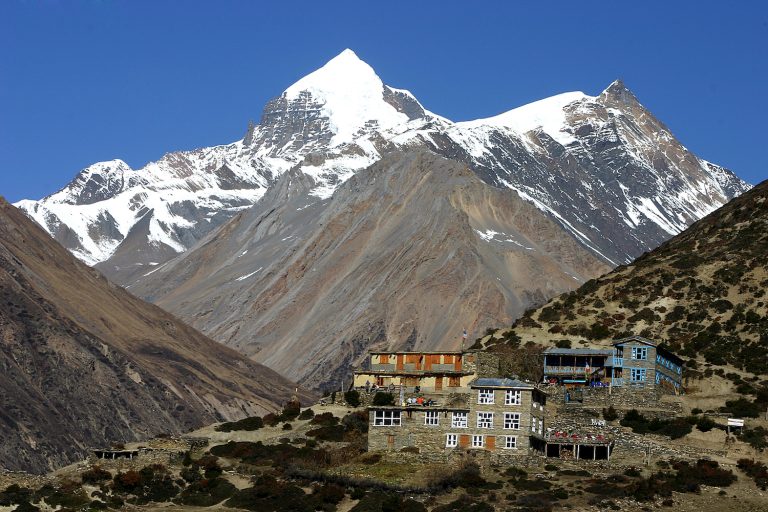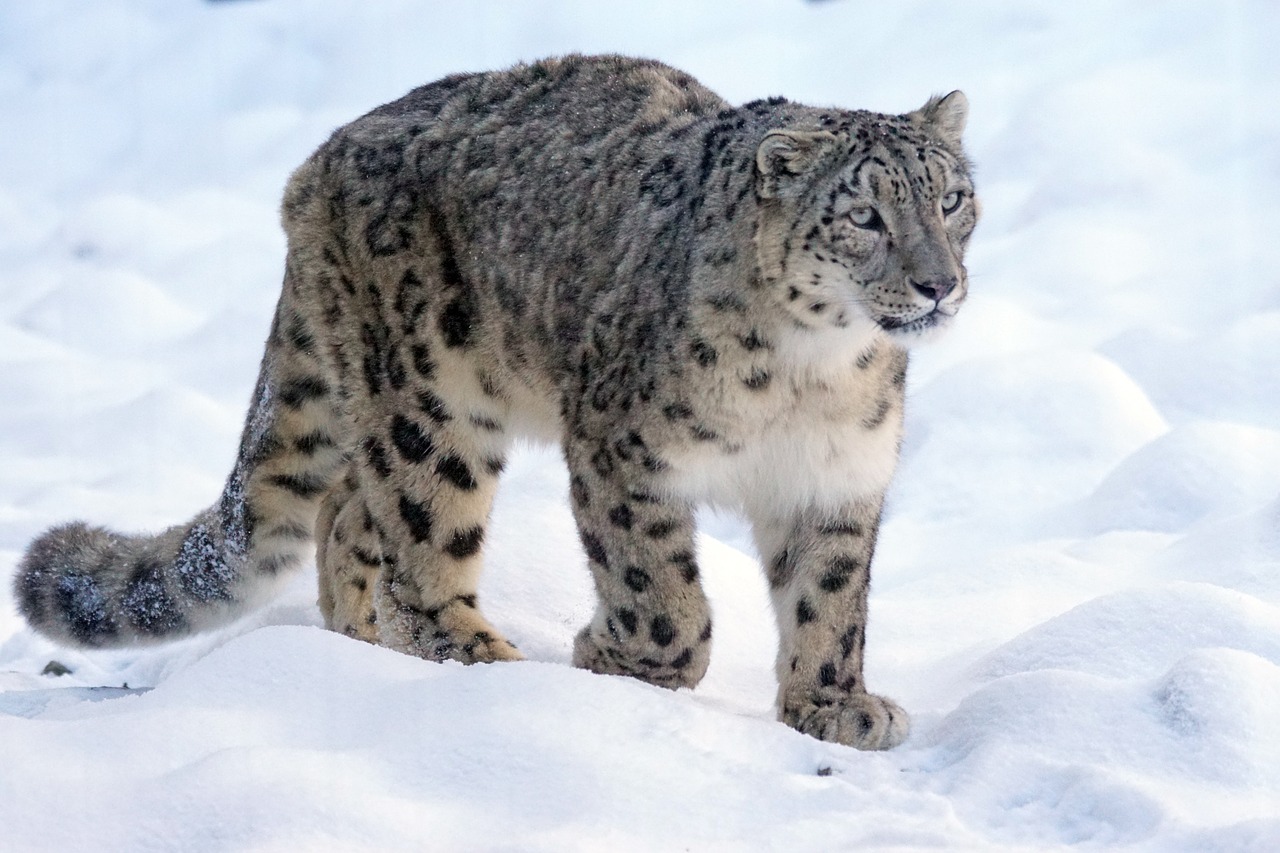
A comprehensive survey to determine the population of snow leopards has been launched for the first time in Mustang district, marking a significant step in wildlife conservation research in Nepal’s high Himalayan region. The survey, initiated by the Annapurna Conservation Area Project (ACAP), Mustang, officially began on Saturday using the camera trapping method across four local levels of the district.
From Habitat Identification to Population Estimation
Previously, ACAP and other conservation partner organizations had been conducting camera trapping activities in Mustang to identify potential habitats and movement areas of snow leopards. While these efforts provided valuable insights into the presence and behavior of the elusive species, they were not sufficient to determine the exact population size.

The newly launched survey is designed to address this gap by adopting a systematic and scientific approach aimed specifically at estimating the actual number of snow leopards in the region.
Survey Design and Camera Grid System
According to ACAP Lomanthang Office Chief Umesh Paudel, a detailed survey framework has been developed covering both Upper Mustang and Lower Mustang. For the survey, 161 camera trapping grids have been defined at intervals of five by five kilometers, ensuring comprehensive spatial coverage of snow leopard habitats.
This grid-based camera trapping approach is considered one of the most reliable methods for studying elusive and low-density species such as snow leopards, allowing researchers to identify individual animals based on unique fur patterns.
Seasonal Factors Favor Survey Conditions
The survey has been launched during the winter season, a period considered favorable for snow leopard monitoring. During winter, heavy snowfall at higher altitudes forces prey species to move to lower elevations, and snow leopards tend to follow their prey.
“As prey species descend during winter due to heavy snowfall in higher regions, snow leopards also move slightly downward, increasing the chances of detection through camera traps,” Paudel explained. This seasonal movement significantly enhances the effectiveness of camera-based monitoring.
Deployment of Camera Traps Across Mustang
In addition to the current survey, BioCos Nepal and ACAP have recently installed 16 camera traps in more than half a dozen locations across Waragung Muktikshetra Rural Municipality and Gharapjhong Rural Municipality for snow leopard research.
Under the current survey, a total of 111 camera traps are being used simultaneously, including 99 cameras in Upper Mustang and 16 cameras already installed in Lower Mustang. These cameras will collectively capture images and data required for population estimation and movement analysis.
Human Resources and Field Mobilization
For effective implementation, ACAP Lomanthang has divided the survey area into three blocks, deploying trained manpower accordingly. The survey involves a coordinated effort of ACAP technical staff and trained local personnel, ensuring both scientific rigor and local participation.
Paudel informed that more than a dozen field staff are actively engaged in installing, monitoring, and maintaining the camera traps in challenging high-altitude terrain. The involvement of local human resources is expected to enhance field efficiency while also building local capacity in wildlife monitoring.

Duration and Expected Outcomes
Although ACAP has stated that camera traps may remain in the field for up to six months, officials indicated that the cameras are likely to be retrieved by the month of Baisakh. The collected data will then be analyzed to estimate the snow leopard population and assess habitat use patterns.
The findings from this first-ever comprehensive survey are expected to play a crucial role in shaping future conservation strategies, mitigating human–wildlife conflict, and strengthening snow leopard protection measures in Mustang.
Strengthening High Himalayan Conservation
Snow leopards are among the most endangered and elusive big cats, and Mustang is considered one of their important habitats in Nepal. Conservationists believe that accurate population data will not only support national and international conservation commitments but also help local governments and communities participate more effectively in protecting this iconic species. The launch of this detailed survey marks a major milestone in high-altitude wildlife research and reinforces Nepal’s commitment to conserving its unique Himalayan biodiversity.