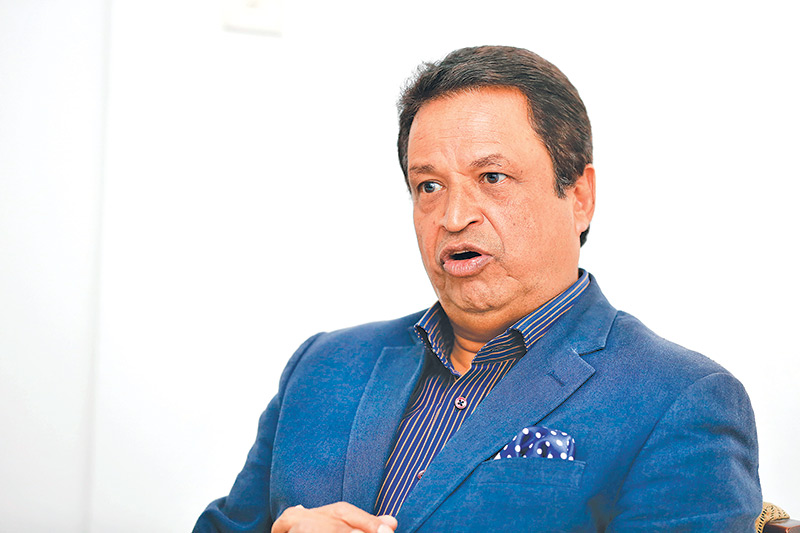
Renowned industrialist and Member of Parliament (MP) Binod Chaudhary has emphasized the transformative potential of tourism in revitalizing Nepal’s economy. Speaking at the 22nd Annual General Meeting of the Confederation of Nepalese Industries (CNI), Chaudhary highlighted the need for strategic utilization of Nepal’s international airports and enhanced diplomatic engagement to attract large-scale international tourism.
Harnessing the Power of Tourism
In his address, MP Chaudhary asserted that tourism can be the leading force driving Nepal’s economic progress. “If we can fully operationalize the two newly built international airports and integrate them with regional air travel networks, we can bring in a significant number of tourists,” he said.
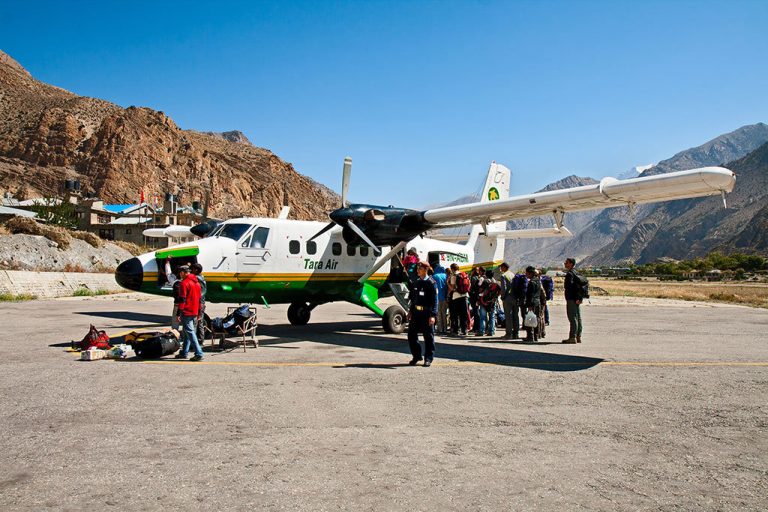
Chaudhary was referring to the Gautam Buddha International Airport in Bhairahawa and Pokhara International Airport, both of which have recently been completed but remain underutilized due to logistical and diplomatic constraints.
Drawing Lessons from India’s UDAN Scheme
Drawing attention to India’s successful regional connectivity initiative, Chaudhary highlighted the ‘Udan’ scheme as a model worth emulating. UDAN (Ude Desh ka Aam Naagrik) is a flagship initiative by the Indian government aimed at making air travel affordable and widespread by linking underserved and unserved airports.
“In India, the UDAN scheme has connected remote and small cities to the national air grid,” Chaudhary noted. “If we can similarly connect our three international airports with India’s UDAN network, and also leverage regional airports in China, it will not be difficult to bring in at least 50,000 tourists.” He further added that such collaboration could dramatically enhance Nepal’s connectivity and visibility as a prime tourist destination in South Asia and beyond.
Economic Impact: Employment Generation and Growth
According to Chaudhary, the arrival of 50,000 tourists could have a massive multiplier effect on the country’s economy. He estimated that such a volume of tourism could generate more than 10 million employment opportunities across various sectors, including hospitality, transportation, agriculture, and services.
“Nepal has immense potential in tourism, from the Himalayas to its rich cultural heritage. But without a proper strategy, we are failing to turn that into a source of income for our people,” he stated. He emphasized the importance of tourism not only as a revenue generator, but also as a vital tool for employment and poverty alleviation.
Call for Diplomatic Solutions
One of the major hurdles in realizing this potential, Chaudhary said, lies in unresolved diplomatic issues. He lamented that international flights and connectivity through Nepal’s newer airports remain limited due to inadequate international agreements and coordination.
“The airport is ready, the infrastructure is there. But the inability to use it effectively is costing the country,” he said. “This needs to be resolved through diplomatic dialogue with India, China, and other neighboring countries. Without diplomacy, infrastructure alone cannot bring about economic transformation.”
Chaudhary urged the government to prioritize tourism diplomacy, which includes negotiating air service agreements, easing visa policies, and building international partnerships that promote Nepal as a safe and accessible destination.
A Glimpse Into the Past: Learning from History
Recalling a key economic policy from three and a half decades ago, Chaudhary reflected on how thoughtful policy-making in the past had left a lasting impact on Nepal’s economy. Though he did not elaborate in detail, his reference was widely interpreted as pointing toward earlier liberalization measures that encouraged industrial growth and private sector involvement. “History has shown us that policy can make or break a nation’s economic trajectory. It’s time for bold decisions once again, starting with tourism,” he said.
CNI AGM Focuses on Recovery and Growth
The CNI’s 22nd AGM provided a platform for policymakers, business leaders, and industrialists to discuss post-pandemic economic recovery, challenges in trade and investment, and strategies to accelerate industrial development. Chaudhary’s remarks stood out for their sharp focus on tourism as a core economic engine and his strong call for policy and diplomatic interventions.
As Nepal continues to grapple with economic challenges and unemployment, Chaudhary’s vision of tourism-led development offers a compelling path forward. By tapping into regional connectivity schemes like India’s UDAN, resolving diplomatic hurdles, and fully utilizing its international airports, Nepal could unlock a new era of prosperity, one tourist at a time.