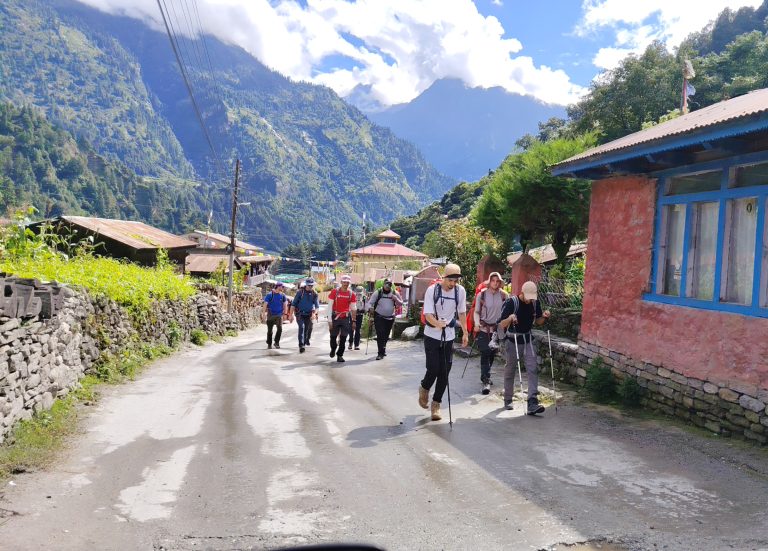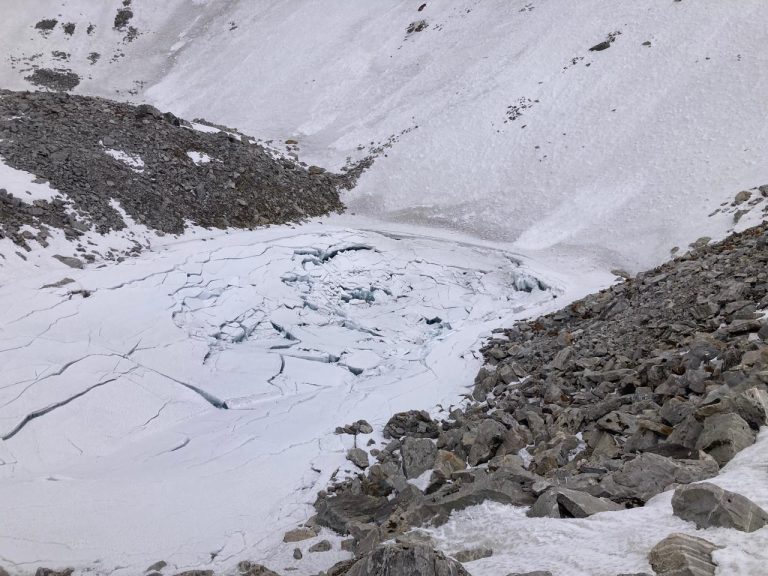
Nepal, renowned for its majestic Himalayas, is equally acclaimed for its rich and diverse wildlife. The country’s varied landscapes offer sanctuary to numerous species of flora and fauna, making it a premier destination for wildlife enthusiasts. Among the most sought-after experiences are the wildlife safaris in Nepal’s renowned national parks, where travelers can immerse themselves in the country’s natural splendor. Here’s an in-depth look at the most popular wildlife safaris and national parks in Nepal, each offering unique encounters with nature.
Located in the lowland Terai region, Chitwan National Park is Nepal’s first and perhaps most famous national park. Established in 1973 and declared a UNESCO World Heritage Site in 1984, Chitwan is home to a remarkable variety of wildlife. Its dense forests, grasslands, and wetlands provide the perfect habitat for the Bengal tiger, one-horned rhinoceros, and the elusive leopards.
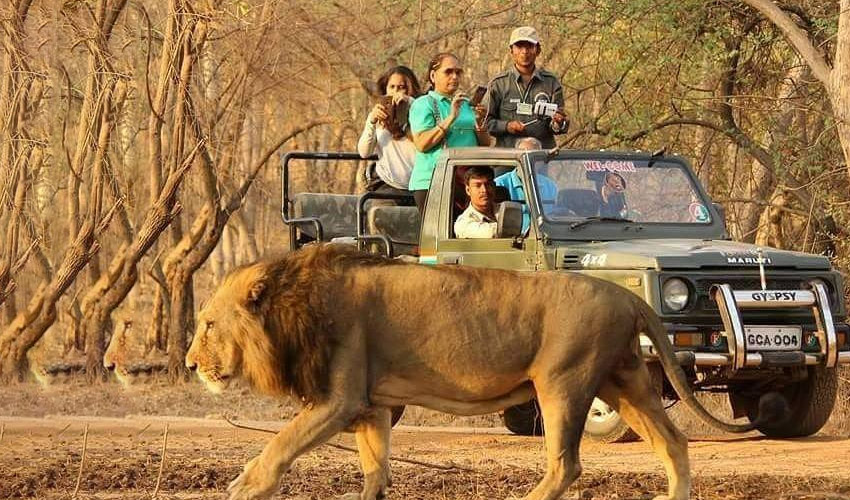
Visitors to Chitwan can embark on exciting jungle safaris, where they traverse the park on the back of an elephant or in a jeep. These safaris offer thrilling opportunities to spot wildlife such as the rare Bengal tiger and the one-horned rhinoceros. Bird enthusiasts will also be delighted by the park’s rich avian diversity, with over 500 species recorded. Canoe rides along the Rapti River provide additional chances to view wildlife, including the endangered gharial crocodile.
Situated in the western Terai region, Bardiya National Park is a lesser-known gem compared to its more famous counterpart, Chitwan. Established in 1988, Bardiya is Nepal’s largest national park, covering an area of 968 square kilometers. The park is renowned for its pristine wilderness and less crowded safari experiences.
Bardia is home to a diverse range of wildlife, including the Bengal tiger, one-horned rhinoceros, and wild elephants. It’s also a haven for birdwatchers, with species like the endangered Sarus crane and the Great Hornbill frequently spotted. The park’s rugged terrain and dense forests make it an ideal place for jungle treks and river safaris, offering visitors a more immersive experience in Nepal’s wild heart.
In the eastern part of Nepal lies the Kanchenjunga Conservation Area, named after the world’s third-highest mountain, Kanchenjunga. This area is not only a trekking paradise but also an excellent destination for wildlife safaris. Established in 1997, the conservation area spans over 2,035 square kilometers and encompasses a range of ecosystems from subtropical forests to alpine meadows.
Wildlife enthusiasts will be thrilled by the opportunity to spot elusive species such as the snow leopard and the red panda. The conservation area is also home to the Himalayan tahr, musk deer, and various pheasant species. While safaris here may not be as conventional as those in Chitwan or Bardia, the opportunity to experience wildlife in a more remote and pristine environment is unparalleled.
Famous for housing Mount Everest, Sagarmatha National Park is a UNESCO World Heritage Site located in the Solu-Khumbu region. While the park is primarily known for its towering peaks, it also offers unique wildlife experiences. Established in 1976, the park’s diverse habitats include lush forests, alpine meadows, and high-altitude deserts.
The park is home to the Himalayan tahr, musk deer, and the endangered red panda. Birdwatchers can spot the Himalayan griffon vulture and the Tibetan snowcock. The trek to Everest Base Camp provides not only breathtaking mountain views but also opportunities to encounter wildlife adapted to the high-altitude environment.
Located in the far western Terai region, Shuklaphanta National Park is a lesser-visited but extraordinary destination for wildlife safaris. Established in 1969, the park covers an area of approximately 305 square kilometers and is known for its extensive grasslands and wetlands.
Shuklaphanta is home to a range of wildlife, including the Bengal tiger, one-horned rhinoceros, and the swamp deer, which is found in large herds. The park’s vast grasslands offer a different safari experience, with opportunities to see large herds of wildlife in open spaces. Birdwatchers will find the park particularly rewarding, with species such as the endangered Bengal florican and the Sarus crane inhabiting the area.
Rara National Park, located in the remote northwestern region of Nepal, is the smallest of the country’s national parks but boasts incredible biodiversity. Established in 1976, the park is centered around Rara Lake, Nepal’s largest lake, which serves as a crucial habitat for numerous bird species.
The park’s forested slopes and alpine meadows are home to the Himalayan tahr, musk deer, and the red panda. The lake itself attracts various migratory bird species, making it a paradise for birdwatchers. Although Rara National Park is less frequented compared to other parks, its untouched beauty and diverse wildlife make it a hidden treasure for those seeking an off-the-beaten-path adventure.
The Annapurna Conservation Area (ACA) covers a vast expanse of 7,629 square kilometers in central Nepal and includes parts of the Annapurna and Dhaulagiri mountain ranges. Established in 1992, ACA is Nepal’s largest protected area and offers a wide range of wildlife experiences amidst stunning landscapes.
In addition to trekking opportunities, the ACA is home to a variety of wildlife, including the Himalayan tahr, blue sheep, and the elusive snow leopard. The area’s diverse habitats, ranging from subtropical forests to alpine meadows, support a rich array of species. Birdwatchers can enjoy spotting the Himalayan griffon vulture and the Danphe, the national bird of Nepal.
Langtang National Park, established in 1976, is located in the Langtang Valley in the central Himalayas. The park encompasses a diverse range of ecosystems, from subtropical forests to alpine meadows and glaciers. It is known for its dramatic landscapes and rich biodiversity.
Wildlife enthusiasts can encounter the Himalayan tahr, red panda, and various species of deer in the park. Langtang is also a great place for birdwatching, with species such as the Himalayan monal and the red-billed chough. The park’s proximity to Kathmandu makes it a popular choice for those seeking a combination of trekking and wildlife experiences.
Nepal’s national parks and wildlife reserves offer some of the most diverse and exciting safari experiences in Asia. From the dense jungles of Chitwan and Bardia to the high-altitude realms of Kanchenjunga and Sagarmatha, each park provides unique opportunities to witness Nepal’s natural beauty and wildlife. Whether you’re seeking the thrill of a jungle safari or the serenity of remote conservation areas, Nepal’s wildlife destinations promise unforgettable adventures.