The Himalayan region, with its breathtaking landscapes and diverse cultures, remains one of the most alluring destinations for adventurers and nature lovers alike. However, navigating the rugged terrains and high altitudes of this majestic mountain range requires careful planning and awareness. Here’s a comprehensive guide to ensure a safe and enjoyable exploration of the Himalayas.
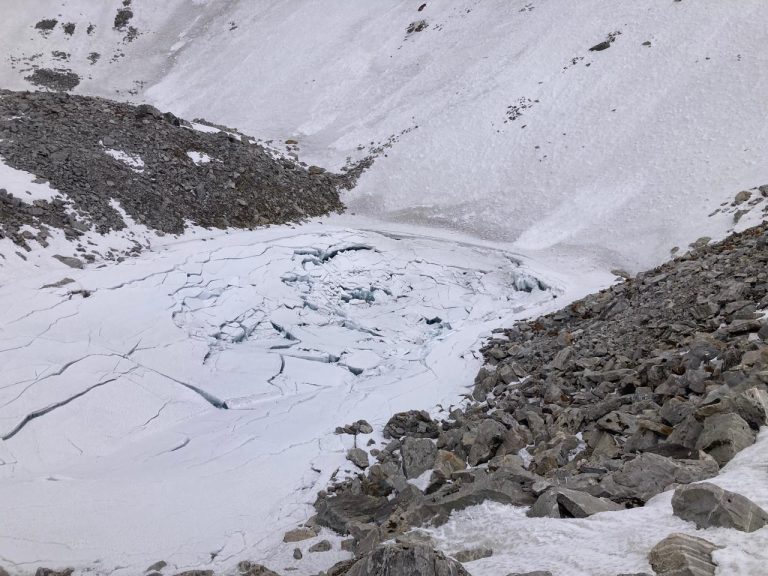
Before embarking on a journey to the Himalayas, it is crucial to understand the terrain and climate of the specific area you plan to visit. The Himalayas feature a wide range of environments, from lush valleys to arid high-altitude regions. The weather can be unpredictable, with temperatures ranging from scorching heat in lower altitudes to cold at higher elevations. Researching the climate conditions for your intended destination and preparing accordingly is essential.
Altitude sickness is a common challenge for those traveling to high elevations in the Himalayas. The risk of developing altitude sickness increases with elevation, and symptoms can range from mild headaches to severe complications. To minimize this risk, acclimatization is crucial. Allow yourself time to gradually adjust to higher altitudes by spending a few days at intermediate elevations before reaching your final destination. Staying hydrated and avoiding strenuous activities during this period can also aid in acclimatization.
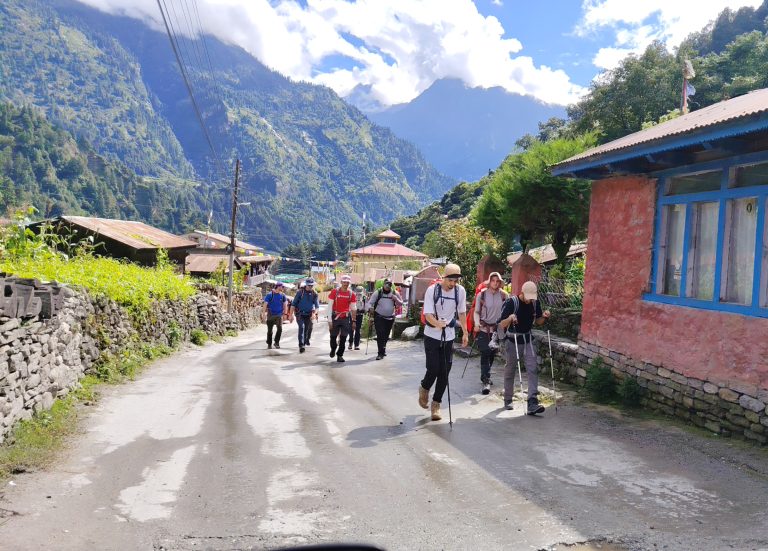
While independent travel in the Himalayas is possible, it is highly recommended to travel with an experienced guide or tour operator, especially if you are unfamiliar with the region. Local guides possess valuable knowledge about the terrain, weather patterns, and potential hazards. They can also assist with navigating trails, managing logistics, and ensuring your safety throughout the journey. Many regions in the Himalayas have well-established trekking agencies that offer guided tours tailored to different skill levels.
Packing wisely is crucial for a safe and comfortable Himalayan adventure. Essential items include appropriate clothing layers for varying temperatures, durable footwear for trekking, and a high-quality sleeping bag suitable for cold weather. Additionally, carry a first-aid kit, sunscreen, insect repellent, and water purification tablets. For longer treks, a reliable backpack with essential supplies such as food, water, and emergency gear is necessary. It’s also wise to bring personal items like a multi-tool, flashlight, and spare batteries.
Before your trip, ensure that you are in good health and have consulted with a healthcare professional about any vaccinations or medications required for travel to the Himalayas. Carry any necessary medications and inform your guide or travel companions about any health conditions or allergies you may have. Additionally, be aware of the symptoms of altitude sickness and know how to respond if you or someone in your group begins to experience them.
The Himalayan region is home to a rich tapestry of cultures and traditions. When visiting local communities, it is essential to respect their customs and practices. Dress modestly, seek permission before taking photographs, and follow local guidelines. Respectfully engaging with local communities not only enhances your travel experience but also fosters positive interactions and cultural exchange.
The Himalayas are a pristine natural environment that requires careful preservation. Follow the principle of “Leave No Trace” by avoiding littering and disposing of waste properly. Use eco-friendly products and support sustainable tourism practices. Many trekking routes have specific waste management systems in place, so adhere to these guidelines to minimize your environmental impact.
Despite careful planning, unforeseen situations can arise during travel. Being prepared for emergencies is vital. Familiarize yourself with emergency contact numbers and locations of nearby medical facilities. Ensure your guide or tour operator has an emergency plan and knows the quickest route to seek help if needed. Having a basic understanding of first-aid procedures can also be beneficial.
Certain regions of the Himalayas may require permits or adhere to specific regulations for tourists. Check the local requirements for your destination and ensure you have obtained any necessary permits before your trip. This may include permits for trekking routes, national parks, or protected areas. Adhering to these regulations not only ensures compliance but also helps in the conservation of natural and cultural resources.
While safety is paramount, do not forget to enjoy the incredible experiences the Himalayas offer. The stunning landscapes, unique wildlife, and vibrant cultures are all part of what makes this region so special. Embrace the adventure, take in the views, and immerse yourself in the journey.
Exploring the Himalayan region can be a rewarding and memorable experience with the right preparation and precautions. By understanding the terrain, acclimatizing properly, traveling with a guide, packing wisely, respecting local customs, and being prepared for emergencies, you can ensure a safe and enjoyable adventure in one of the world’s most magnificent mountain ranges.