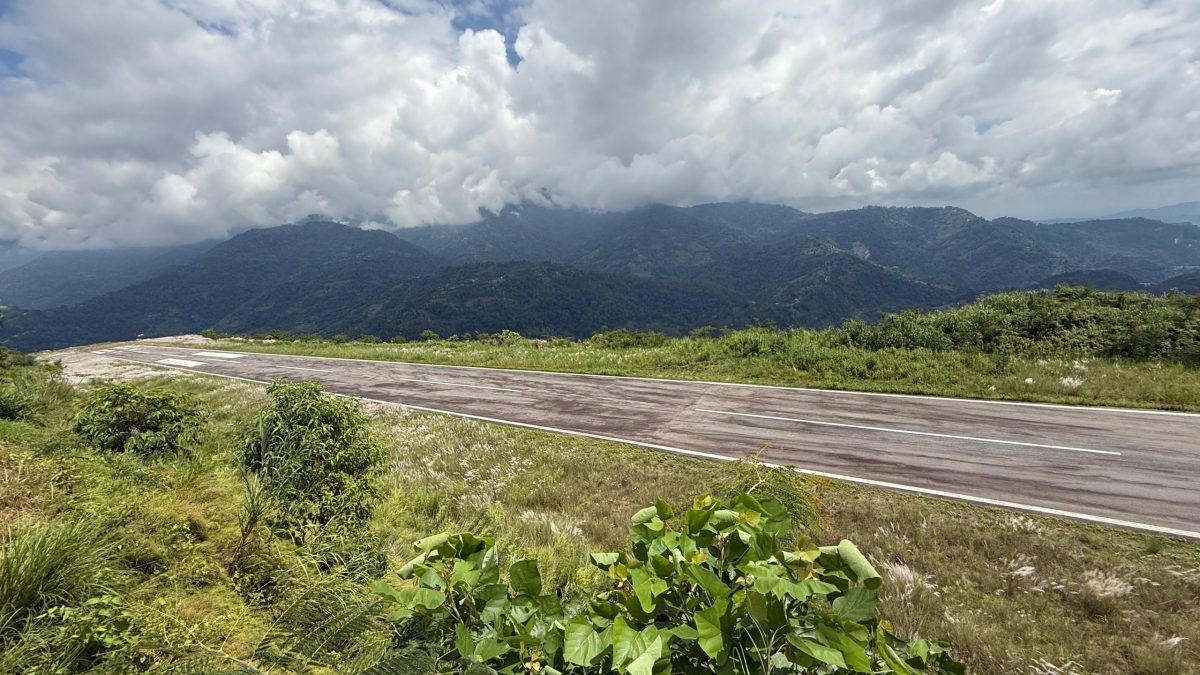
Falgunanda–Sukilumba Airport, a key infrastructure directly linked to Ilam’s tourism and economy, has become eerily silent in recent months. Despite its strategic importance, the airport, which recorded 33 flights during the fiscal year 2081/82, now awaits regular flight operations. Located in Ilam Municipality–9, locals have repeatedly demanded consistent air service to facilitate connectivity with the rest of the country.
History of Flights and Local Expectations
The airport first witnessed a successful test flight on Jestha 21, 2075 BS, when Tara Air’s Twin Otter aircraft completed a trial run. Residents had hoped this would pave the way for regular flights. Nepal Airlines followed with its own successful test flight on Magh 26, 2078 BS. However, the absence of routine flights has forced people from Ilam and the eastern hilly regions to travel long distances to airports in Jhapa or Biratnagar.
Since last Jestha, no flights have operated from the airport. Initially, Tara Air provided flights twice a week, on Wednesdays and Saturdays. During this period, the municipality had agreed to cover fares for empty seats on return flights from Kathmandu. Once that agreement expired, the municipality signed a similar arrangement with Nepal Airlines, starting Magh 1, 2079 BS, to operate flights on the same schedule.
Agreements with Airlines and Current Status
According to Chief Administrative Officer (CAO) Ganesh Kumar Khadka, no agreements with airlines currently exist. “Earlier, the municipality had supported flights by covering part of the costs with Tara Air and Nepal Airlines, but now there is no such agreement, and we have no obligation to bear expenses,” he explained.
Even after the expiration of the municipal agreements, Nepal Airlines continued flying once a week on Saturdays. However, as per Station In-Charge Dinesh Sundas, the airline stopped flights from Jestha 14, 2082, due to adverse weather conditions. Since then, the airport has remained deserted for the past three months.
Local Efforts for Regular Flights
Local leaders are actively urging the municipal authorities to ensure regular flight operations. Gopal Chauhan, Ward Chairman of Ilam Municipality–9, emphasized that efforts have been continuously made. “We have repeatedly raised the issue in municipal meetings to push for consistent flight operations,” he said. “However, flights are often disrupted due to aircraft maintenance issues or weather conditions, preventing long-term solutions.”
Airport Infrastructure and Investment
Covering an area of 328 ropanis, the Falgunanda–Sukilumba Airport’s construction process began in 2058 BS. The airport features a 670-meter-long and 20-meter-wide blacktopped runway. However, essential structures such as the permanent terminal building, paved access roads, and security fencing remain incomplete.
The Civil Aviation Authority of Nepal (CAAN) has reported that over NPR 28 crore has been spent on the airport to date, including approximately NPR 4 crore contributed by locals. Residents donated between 1 to 42 ropanis of land for the airport’s construction.
The airport’s foundation stone was laid by then-Prime Minister Jhalanath Khanal on Chaitra 13, 2067 BS, and the airport was inaugurated by the same Prime Minister on Falgun 1, 2078 BS. Despite these milestones, the airport has struggled to maintain regular flight schedules, leaving its potential largely untapped.
Economic and Tourism Implications
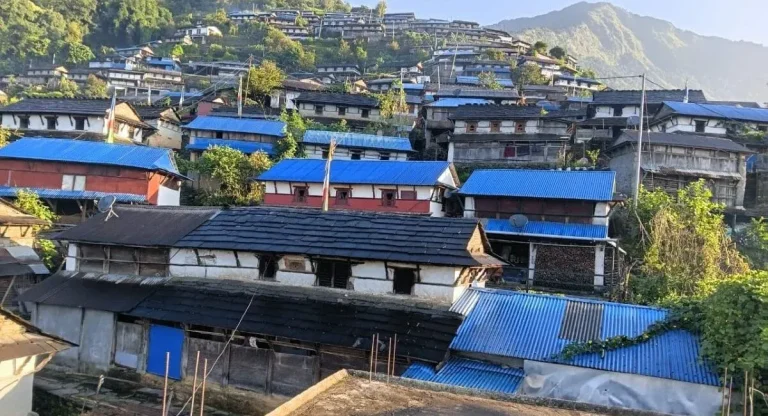
The absence of regular flights has had significant implications for Ilam’s economy and tourism sector. With tea gardens, scenic hills, and cultural attractions, Ilam holds immense potential for domestic and international tourism. Regular air service would not only ease travel for residents but also boost local businesses, hospitality services, and trade.
Authorities and locals alike emphasize that the revival of regular flight operations is critical. Without a stable air link, residents remain dependent on distant airports, and the region’s economic growth continues to be hampered.
Looking Forward
While weather and aircraft availability remain challenges, stakeholders are hopeful that consistent coordination between airlines and local authorities can restore regular flights. Completing the airport’s infrastructure, including terminals, access roads, and security installations, is essential for operational stability and the long-term development of Ilam as a regional hub for tourism and commerce. For now, Falgunanda–Sukilumba Airport stands as a symbol of both aspiration and unrealized potential, a gateway to prosperity waiting for the skies to open once again.